

Connecting AI agents to development tools often presents a significant challenge: MCP servers are scattered across various registries, hidden in repositories, and buried within community discussions – leading to slow discovery and considerable friction. Furthermore, creators of these MCP servers find themselves repeatedly publishing to multiple locations and answering similar setup questions. Consequently, this fragmented environment poses potential security risks.
Therefore, we’re introducing a crucial first step towards resolving this issue: the GitHub MCP Registry. This serves as your central hub for discovering MCP servers, whether you’re building with GitHub Copilot, agents, or any AI tool that utilizes the Model Context Protocol. With most MCP servers already hosted on GitHub, the MCP Registry dramatically simplifies their discovery, exploration, and use – empowering developers to find the tools they need quickly and contribute to a more open and interoperable ecosystem.
Understanding the Model Context Protocol (MCP)
Before diving into the registry itself, it’s important to understand what MCP is. Model Context Protocol provides a standardized method for AI agents and tools to communicate in a composable and extensible manner. This allows agents to fetch fresh context, interact with the external world, and seamlessly integrate into existing systems and workflows. For example, an agent might use MCP to retrieve data from a design tool or update project documentation.
The Benefits of Using MCP
MCP’s benefits extend beyond simple communication. It fosters interoperability, allowing different AI tools to work together harmoniously. In addition, the standardized nature of MCP simplifies development and reduces integration complexity. As a result, developers can focus on building innovative solutions rather than wrestling with compatibility issues.


How MCP Enhances Agentic Workflows
Agentic workflows are becoming increasingly common in software development, automating tasks and streamlining processes. The MCP Registry plays a vital role in these workflows by providing a central repository for discovering and managing the agents that power them. This facilitates collaboration and accelerates development cycles.
Exploring the GitHub MCP Registry
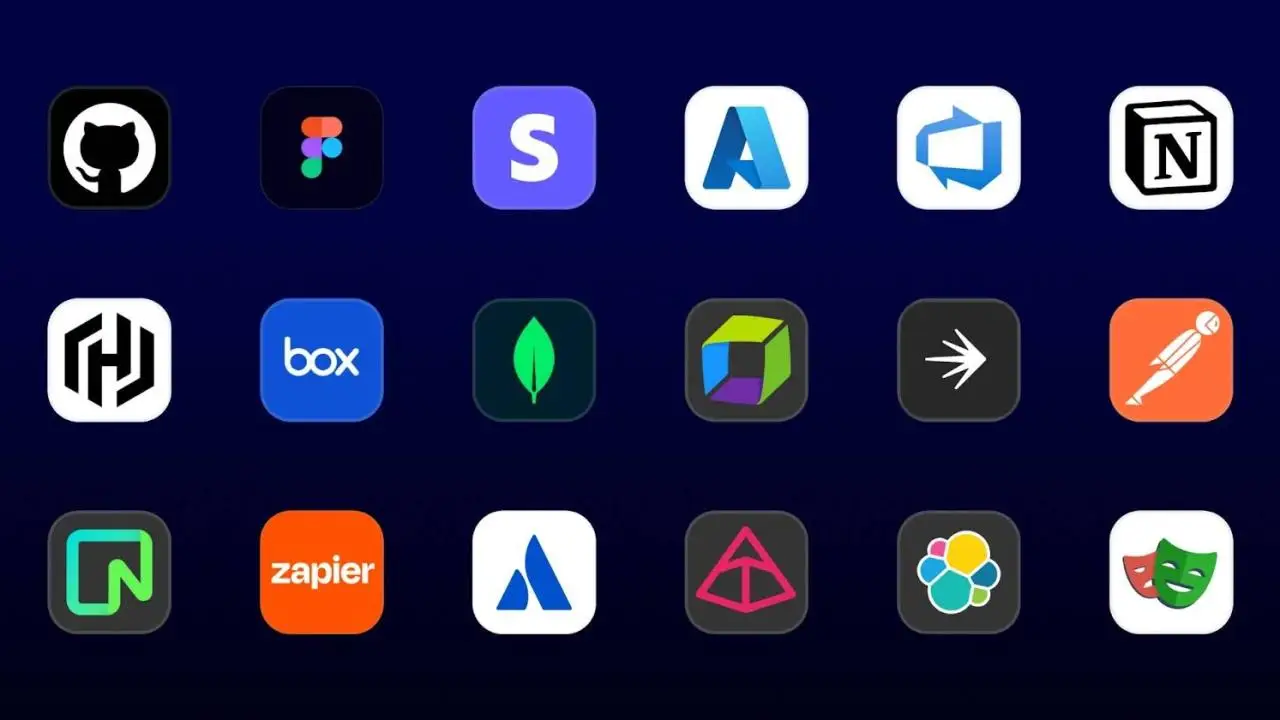
We’re launching with a straightforward approach, building the registry openly and collaboratively. The MCP Registry features a curated directory of MCP servers from leading partners and the open-source community. Each server is directly linked to its corresponding GitHub repository, providing transparency and enabling developers to quickly understand its functionality and how to get started. This ensures informed decision-making when selecting tools for your projects.
Key Features of the MCP Registry
- Easy Discoverability: One-click installation directly within VS Code simplifies integration with your development environment.
- Curated Selection: Servers are sorted by GitHub stars and community activity, helping you prioritize reliable and well-supported tools—cutting through the noise to find valuable resources.
- Broad Compatibility: The registry works seamlessly with a wide range of stacks, including GitHub Copilot and any MCP-compatible host, providing flexibility in your toolchain.
Contribution & Collaboration
From day one, the MCP Registry is shaped by contributions from across the ecosystem. Our launch partners are actively involved in defining the quality standards for MCP servers, ensuring a healthier, more trustworthy AI environment. We encourage community participation to further enhance discoverability and foster innovation within the Model Context Protocol landscape.
“With the launch of GitHub’s MCP Registry, developers can now easily integrate Figma context into Copilot through our Dev Mode MCP server, accelerating their design-to-code workflow by generating production-ready code aligned with their design systems.”
—Anna Kohnen, VP of Business Development, Figma
Source: Read the original article here.
Discover more tech insights on ByteTrending.
Discover more from ByteTrending
Subscribe to get the latest posts sent to your email.