ByteTrending
  • Home
    • About ByteTrending
    • Contact us
    • Privacy Policy
    • Terms of Service
  • Tech
  • Science
  • Review
  • Popular
  • Curiosity
Donate
No Result
View All Result
ByteTrending
No Result
View All Result
Home Science
Related image for zero boil-off

NASA’s Zero Boil-Off Experiment Aims for Cool Fuel Storage

ByteTrending by ByteTrending
September 13, 2025
in Science, Tech
Reading Time: 2 mins read
0
Share on FacebookShare on ThreadsShare on BlueskyShare on Twitter

Space missions critically depend on cryogenic fluids—extremely cold liquids like liquid hydrogen and oxygen—for propulsion and life support. Maintaining these fuels at ultra-low temperatures prevents them from turning into gas; however, solar heating and other heat sources cause evaporation and increase pressure within the storage tanks. Consequently, current methods often require venting propellant to space, a practice that represents a significant resource loss, particularly for ambitious long-duration missions like those targeting Mars. NASA’s Zero Boil-Off Tank (ZBOT) experiments are addressing this challenge by actively controlling tank pressure and minimizing fuel loss – a crucial step towards sustainable deep-space exploration.

Understanding Cryogenic Fuel Storage Challenges

The fundamental problem lies in the fact that even with advanced multilayer insulation, heat invariably penetrates cryogenic fuel tanks. This increases both the liquid’s temperature and its evaporation rate, ultimately leading to an increase in pressure within the tank—a phenomenon known as boil-off and self-pressurization. Traditionally, managing this increasing pressure has involved venting excess gas into space.

The Impact of Venting on Long-Duration Missions

While venting is currently standard practice, it poses a significant limitation for extended missions. For example, a Mars expedition would require substantial propellant reserves; therefore, continuous venting throughout the journey would deplete those reserves entirely before the mission even reached its destination. This makes achieving such ambitious goals incredibly difficult and costly.

The Need for Zero Boil-Off Technology

Therefore, minimizing or eliminating boil-off is paramount to enabling future deep space missions. The ZBOT experiments directly address this need by exploring innovative technologies that actively control tank pressure, rather than relying on wasteful venting.
Related Post

Rocket Lab launch illustration for the article Rocket Lab's 2026 Launch: Open Cosmos Expansion

Rocket Lab’s 2026 Launch: Open Cosmos Expansion

March 19, 2026
Related image for SLS Rocket

SLS Rocket: Artemis II’s Launchpad Arrival

March 9, 2026

Space Launch Revolution 2025

March 9, 2026

Beyond Wormholes: Unveiling a Deeper Universe

March 8, 2026

How the Zero Boil-Off Tank (ZBOT) Experiment Works
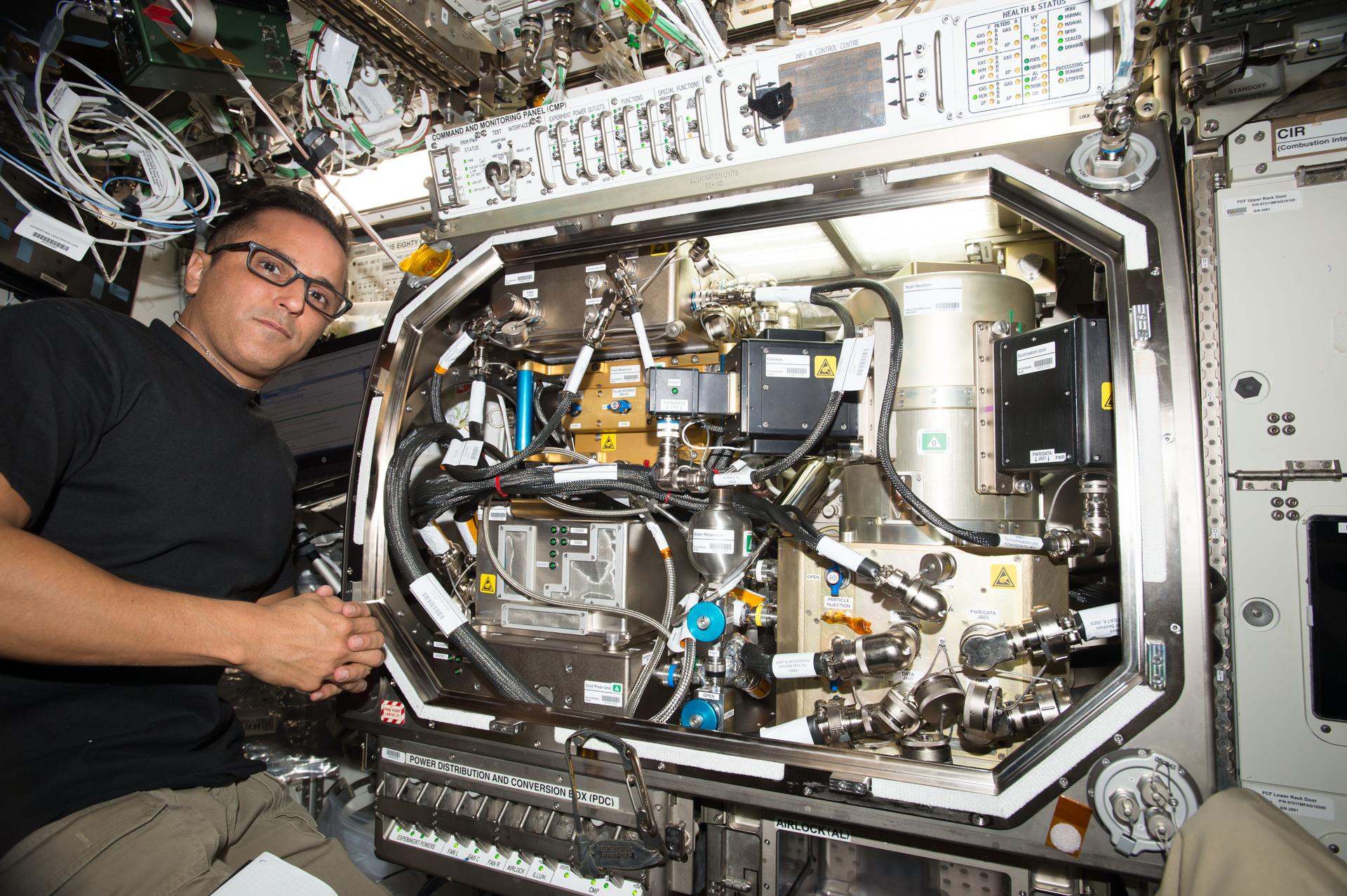
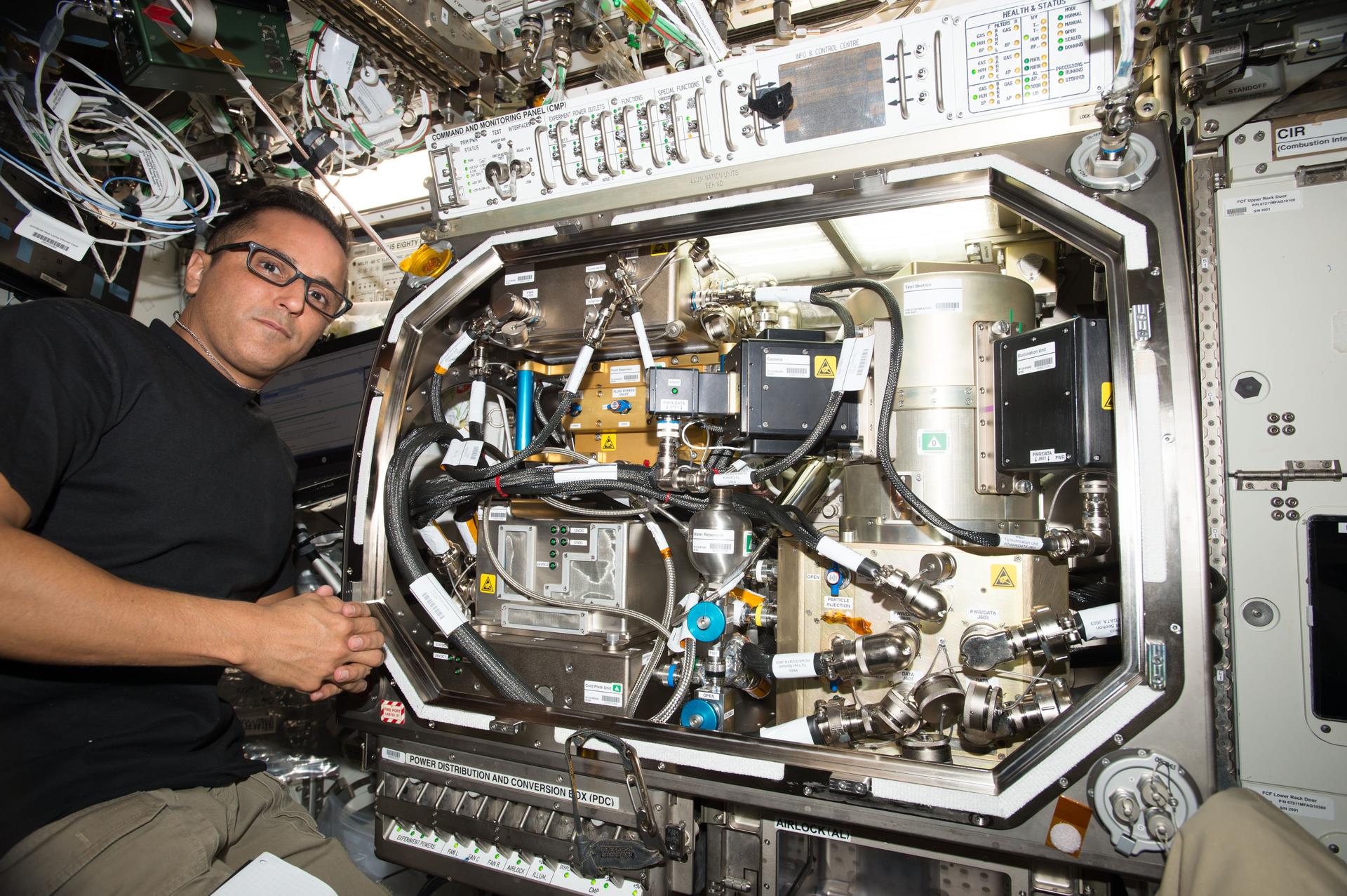
Flight Engineer Joe Acaba works in the U.S. Destiny laboratory module on the International Space Station setting up hardware for the Zero Boil-Off Tank (ZBOT) experiment.
Flight Engineer Joe Acaba working with ZBOT hardware aboard the ISS.

The ZBOT experiments, including the current ZBOT-NC iteration launching on NG-23, are designed to evaluate active pressure control technologies. Instead of simply venting excess gas, these systems actively manage the pressure within the tank using methods like jet mixing and other innovative techniques. Furthermore, the experiment gathers data critical for optimizing cryogenic fuel storage systems.

Jet Mixing Technology Explained

One key technique being investigated is jet mixing, which involves introducing a small amount of liquid propellant back into the tank to cool it down and reduce pressure. This process effectively counteracts the boil-off effect without needing to vent any gas into space. The data collected during ZBOT helps engineers refine these techniques for maximum efficiency.

The Significance of Active Pressure Control

Active pressure control, as demonstrated by the ZBOT experiments, represents a paradigm shift in cryogenic fuel storage. Instead of accepting boil-off as an inevitable consequence, this approach proactively manages it, paving the way for longer and more ambitious space missions. The development of


Source: Read the original article here.

Discover more tech insights on ByteTrending.

Share this:

  • Share on Facebook (Opens in new window) Facebook
  • Share on Threads (Opens in new window) Threads
  • Share on WhatsApp (Opens in new window) WhatsApp
  • Share on X (Opens in new window) X
  • Share on Bluesky (Opens in new window) Bluesky

Like this:

Like Loading...

Discover more from ByteTrending

Subscribe to get the latest posts sent to your email.

Tags: CryogenicsFuelISSNASASpace

Related Posts

Rocket Lab launch illustration for the article Rocket Lab's 2026 Launch: Open Cosmos Expansion
Curiosity

Rocket Lab’s 2026 Launch: Open Cosmos Expansion

by ByteTrending
March 19, 2026
Related image for SLS Rocket
Popular

SLS Rocket: Artemis II’s Launchpad Arrival

by ByteTrending
March 9, 2026
Related image for space launch revolution
Popular

Space Launch Revolution 2025

by ByteTrending
March 9, 2026
Next Post
Related image for kubernetes

Kubernetes v1.34: Env Files Simplify App Setup

Leave a ReplyCancel reply

Recommended

Related image for PuzzlePlex

PuzzlePlex: Evaluating AI Reasoning with Complex Games

October 11, 2025
Related image for Ray-Ban hack

Ray-Ban Hack: Disabling the Recording Light

October 24, 2025
Related image for Ray-Ban hack

Ray-Ban Hack: Disabling the Recording Light

October 28, 2025
Kubernetes v1.35 supporting coverage of Kubernetes v1.35

How Kubernetes v1.35 Streamlines Container Management

March 26, 2026
Docker automation supporting coverage of Docker automation

Docker automation How Docker Automates News Roundups with Agent

April 11, 2026
Amazon Bedrock supporting coverage of Amazon Bedrock

How Amazon Bedrock’s New Zealand Expansion Changes Generative AI

April 10, 2026
data-centric AI supporting coverage of data-centric AI

How Data-Centric AI is Reshaping Machine Learning

April 3, 2026
SpaceX rideshare supporting coverage of SpaceX rideshare

SpaceX rideshare Why SpaceX’s Rideshare Mission Matters for

April 2, 2026
ByteTrending

ByteTrending is your hub for technology, gaming, science, and digital culture, bringing readers the latest news, insights, and stories that matter. Our goal is to deliver engaging, accessible, and trustworthy content that keeps you informed and inspired. From groundbreaking innovations to everyday trends, we connect curious minds with the ideas shaping the future, ensuring you stay ahead in a fast-moving digital world.
Read more »

Pages

  • Contact us
  • Privacy Policy
  • Terms of Service
  • About ByteTrending
  • Home
  • Authors
  • AI Models and Releases
  • Consumer Tech and Devices
  • Space and Science Breakthroughs
  • Cybersecurity and Developer Tools
  • Engineering and How Things Work

Categories

  • AI
  • Curiosity
  • Popular
  • Review
  • Science
  • Tech

Follow us

Advertise

Reach a tech-savvy audience passionate about technology, gaming, science, and digital culture.
Promote your brand with us and connect directly with readers looking for the latest trends and innovations.

Get in touch today to discuss advertising opportunities: Click Here

© 2025 ByteTrending. All rights reserved.

No Result
View All Result
  • Home
    • About ByteTrending
    • Contact us
    • Privacy Policy
    • Terms of Service
  • Tech
  • Science
  • Review
  • Popular
  • Curiosity

© 2025 ByteTrending. All rights reserved.

%d