
A New Dawn for Diabetes Treatment?
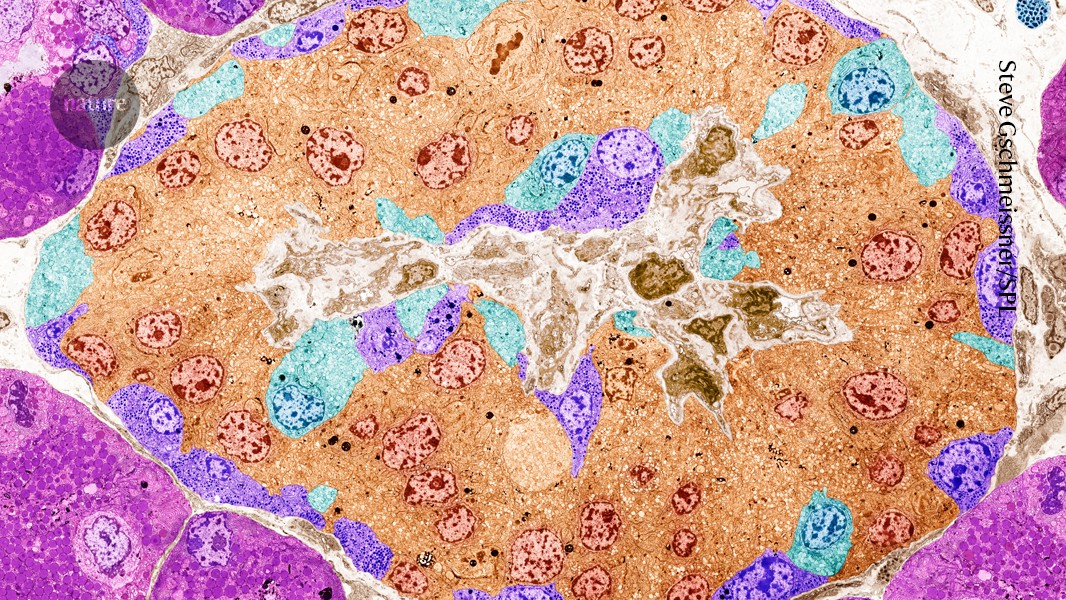
For millions living with diabetes, the prospect of a life free from constant insulin injections and potential immune complications remains a significant aspiration. Now, groundbreaking research published in Nature suggests that this aspiration might be closer to realization than ever before. Scientists have successfully engineered cells utilizing CRISPR gene editing technology to produce insulin within a person’s body – crucially, without triggering an adverse immune response.
Understanding the Challenge: Immune Rejection
Traditional approaches to diabetes treatment often involve introducing external insulin sources, typically through injections or pumps. However, these therapies frequently face a significant hurdle: immune rejection. The body’s immune system recognizes foreign substances as threats and attacks them. In the context of diabetes treatment, this means that implanted cells producing insulin are targeted and destroyed, requiring patients to take immunosuppressant drugs – medications with their own set of side effects and risks.
The CRISPR Solution: Evading Detection
The research team’s ingenious solution lies in leveraging the power of CRISPR gene editing. CRISPR acts like molecular scissors, allowing scientists to precisely edit a cell’s DNA. In this case, they modified cells to remove specific surface markers that typically alert the immune system to their presence. By effectively making the insulin-producing cells “invisible” to the immune system, researchers enabled them to function without triggering an attack and, importantly, allowed the recipient to forego immunosuppressant drugs.
The Results: Promising Early Data
Early results from this study are exceptionally encouraging. The engineered cells successfully produced insulin within a person’s body, demonstrating their ability to perform their intended function. More significantly, there was no evidence of an immune response against these modified cells. This suggests that the CRISPR-mediated edits were effective in evading detection and allowing for long-term functionality without the need for immunosuppression.

Future Directions: Scaling Up and Clinical Trials
While this breakthrough represents a significant step forward, further research is needed to fully realize its potential. The next steps involve scaling up the production of these engineered cells and conducting larger clinical trials to assess their safety and efficacy in a broader population. Addressing challenges related to cell delivery and long-term stability will also be crucial for translating this scientific advancement into a viable treatment option for individuals living with diabetes.
A Glimpse into the Future of Gene Therapy
This research not only offers hope for improved diabetes management but also highlights the transformative potential of gene therapy. The ability to precisely edit cells and evade immune detection opens up new avenues for treating a wide range of diseases, paving the way for personalized medicine approaches that target the root cause of illness.
Source: Read the original article here.
Discover more tech insights on ByteTrending.
Discover more from ByteTrending
Subscribe to get the latest posts sent to your email.