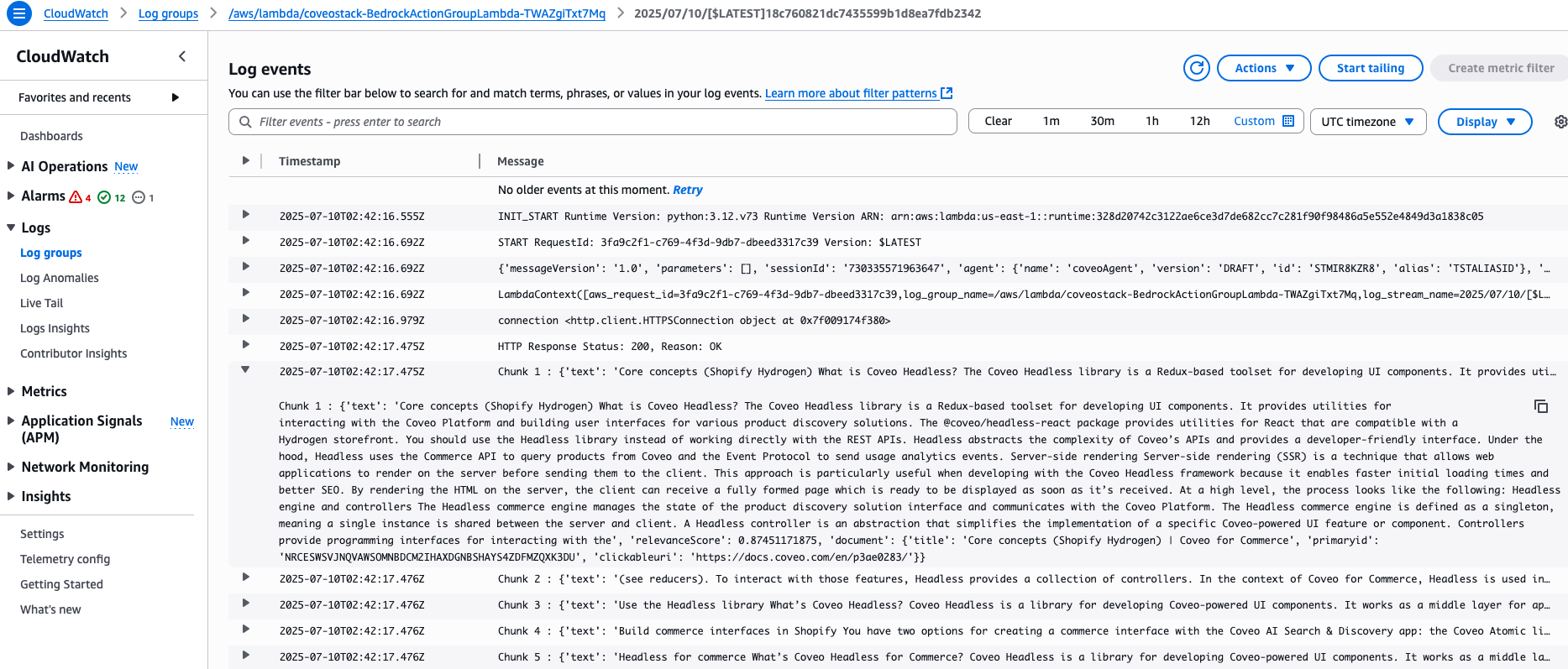

As generative AI reshapes business landscapes, enterprises are grappling with a vital question: how can they ensure large language models (LLMs) deliver accurate and trustworthy responses? Without solid data foundations, these powerful AI models risk generating misleading information, potentially eroding user trust and organizational credibility. This article explores how Coveo’s Passage Retrieval API addresses this challenge by enriching LLMs with relevant, context-aware enterprise knowledge—a critical step in enhancing the performance of Retrieval Augmented Generation (RAG) systems and enabling smarter AI applications.
Understanding Coveo’s Passage Retrieval Approach
The core of reliable generative AI lies in effective information retrieval. The Coveo Passage Retrieval API directly tackles this by providing ranked text passages, often referred to as chunks, along with valuable metadata such as source URLs for easy verification. Built upon Coveo’s unified hybrid index—a significant advantage—this API employs a two-stage retrieval process.
The Two-Stage Retrieval Process
Initially, Coveo’s machine learning algorithms assess and rank the relevance of content based on the user’s query. Subsequently, the API meticulously extracts passages from these documents, prioritizing those most likely to contain the answer. This targeted approach ensures that LLMs receive highly focused information, leading to more accurate and reliable responses. For example, instead of providing an entire document about a product, Passage Retrieval might provide specific sections detailing its features or troubleshooting steps.
How It Enhances Generative AI
The value of passage retrieval extends beyond simple accuracy; it directly combats the issue of “hallucinations” in LLMs. By grounding generated answers firmly within verified passages from an organization’s proprietary knowledge base, the risk of fabricated or misleading information is significantly reduced. Furthermore, including source URLs allows users to easily verify the context and origin of the provided information.


Integrating Passage Retrieval with Amazon Bedrock Agents
Deploying Coveo’s Passage Retrieval API within an Amazon Bedrock Agents action group is a remarkably streamlined process, allowing organizations to rapidly deploy new generative experiences. It primarily involves configuring a custom action that calls the Coveo API, feeding relevant passages back into the LLM as context for response generation. Notably, this integration doesn’t necessitate modifications to existing Coveo indexes or data structures.
Key Advantages of the Integration
The synergy between Coveo Passage Retrieval and Amazon Bedrock Agents unlocks a multitude of benefits. Improved accuracy is paramount, with LLMs leveraging context-aware enterprise knowledge for more precise responses. Rapid deployment allows organizations to quickly capitalize on generative AI opportunities using their existing infrastructure. Enhanced security ensures data protection by respecting established enterprise permission models. Ultimately, this combination reduces the likelihood of hallucinations and fosters greater trust in AI-generated content.
Looking Ahead: Future Developments
As generative AI continues its rapid evolution, the integration between Coveo Passage Retrieval and Amazon Bedrock Agents is poised to become even more integral for enterprises. Future developments are anticipated to further refine the retrieval process and enhance overall performance. For instance, dynamic passage sizing could automatically adjust passage length based on query complexity, ensuring optimal context delivery. Real-time index updates will guarantee that LLMs always have access to the most current information. And advanced metadata integration promises to provide even greater precision in retrieval results.
In conclusion, Passage Retrieval is a powerful technique for enhancing the accuracy and reliability of generative AI applications. By seamlessly integrating with platforms like Amazon Bedrock Agents, Coveo enables organizations to unlock the full potential of their data while maintaining security and control – ultimately delivering more trustworthy and valuable insights.
Source: Read the original article here.
Discover more tech insights on ByteTrending.
Discover more from ByteTrending
Subscribe to get the latest posts sent to your email.