

Revolutionary Brain Implant Restores Movement
A groundbreaking advancement in neurotechnology has enabled a paralyzed man to control a robotic arm with unprecedented dexterity, thanks to an innovative AI-powered brain implant. This research, recently published in Nature, signifies a substantial leap forward in restoring motor function and independence for individuals living with paralysis. The potential of this brain implant technology is truly remarkable.
Understanding the Technology
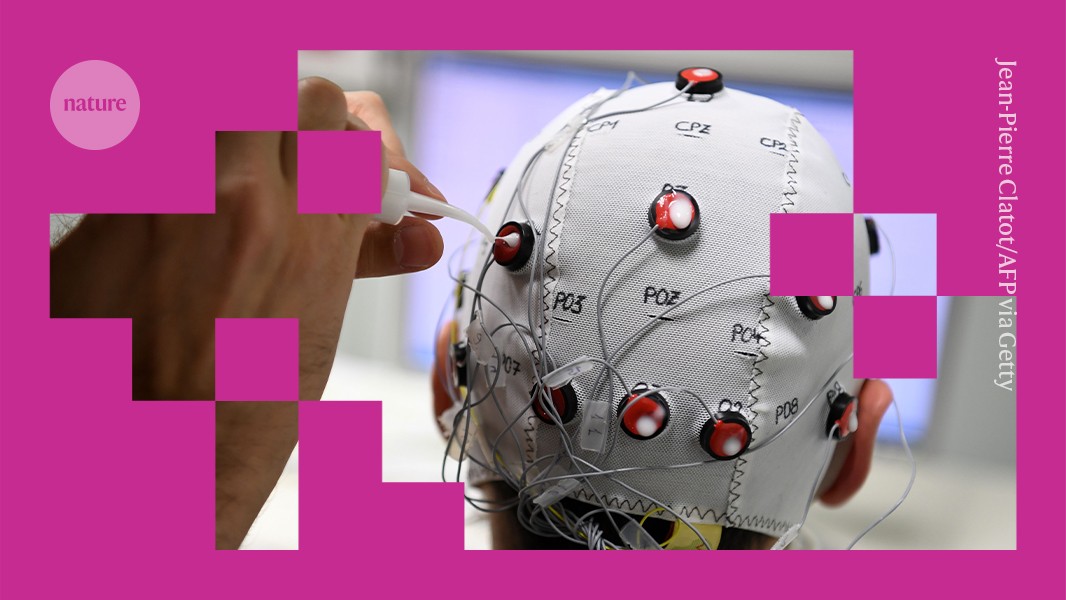
The system combines a surgically implanted neural interface—a microelectrode array—with sophisticated artificial intelligence algorithms. This array detects electrical signals generated by brain activity related to intended movements; traditionally, decoding these signals has been challenging due to inherent noise and variability in brain patterns. Consequently, the AI component plays a crucial role in this process. For example, it filters out background interference.
// Simplified pseudocode of AI signal processing
function decode_brain_signal(raw_signal):
  denoise = remove_noise(raw_signal)
  pattern_recognition = identify_movement_intent(denoised_signal)
  return movement_command
Notably, the AI doesn’t simply translate brain signals into robotic arm movements. Instead, it operates under a shared autonomy model—meaning the user’s intended actions and the AI’s predictions are constantly integrated, allowing for real-time adjustments and corrections. Furthermore, the system learns from each interaction, continuously refining its understanding of the user’s intentions. As a result, the precision and efficiency of control improve over time.
Shared Autonomy: A Collaborative Effort
What truly distinguishes this device is its unique approach to human-machine collaboration. Previously, brain-computer interfaces often required extensive training and calibration with limited adaptability; however, this new system utilizes a recurrent neural network (RNN) trained on the user’s specific brain activity patterns. The RNN predicts the intended movement, and the user can then subtly adjust or correct the AI’s suggestion through focused thought. This interactive process enables more precise control.
- User Intention: Brain signals initiate the process.
- AI Prediction: The RNN generates a predicted movement sequence.
- Human Correction: User refines the prediction in real-time, shaping the robotic arm’s actions.
- Adaptive Learning: The AI continuously learns from these corrections, improving future predictions.
This iterative process results in a significantly more intuitive and natural control experience. The user doesn’t need to consciously translate every thought into precise commands; the AI anticipates their needs and adapts accordingly. Similarly, this shared approach reduces cognitive load for the user.
Beyond Simple Movement: Complex Tasks
Researchers demonstrated the system’s capabilities by having the participant perform complex tasks, such as pouring a drink and manipulating small objects. The ability to handle these intricate actions highlights the sophistication of both the neural interface and the AI algorithms. Moreover, the shared autonomy model allowed for nuanced control that would be impossible with traditional brain-computer interfaces. This brain implant technology represents a significant advancement.
| Task | Traditional BCI Performance | AI-Powered BCI Performance |
|---|---|---|
| Picking up a small object | Difficult, requires precise calibration | Intuitive, adaptive to variations |
| Pouring a drink | Limited success, prone to spills | Controlled flow, minimal spillage |
The implications of this technology extend far beyond restoring motor function; for example, it opens up possibilities for controlling other assistive devices like wheelchairs or prosthetics. Furthermore, researchers are exploring its potential to interact with virtual environments using the brain implant.
Looking Ahead: Challenges and Future Directions
While the results are incredibly promising, challenges still exist. Long-term biocompatibility of implanted electrodes is a key concern, as is the potential for signal degradation over time; therefore, future research will focus on developing more robust and minimally invasive neural interfaces. Additionally, refining AI algorithms to improve accuracy and adaptability remains crucial for optimizing the brain implant’s performance.
Ultimately, this breakthrough represents a major step towards restoring independence and improving the quality of life for individuals with paralysis, showcasing the transformative potential of combining neuroscience and artificial intelligence. The future applications of this type of brain implant are truly exciting to contemplate.
Source: Read the original article here.
Discover more tech insights on ByteTrending.
Discover more from ByteTrending
Subscribe to get the latest posts sent to your email.