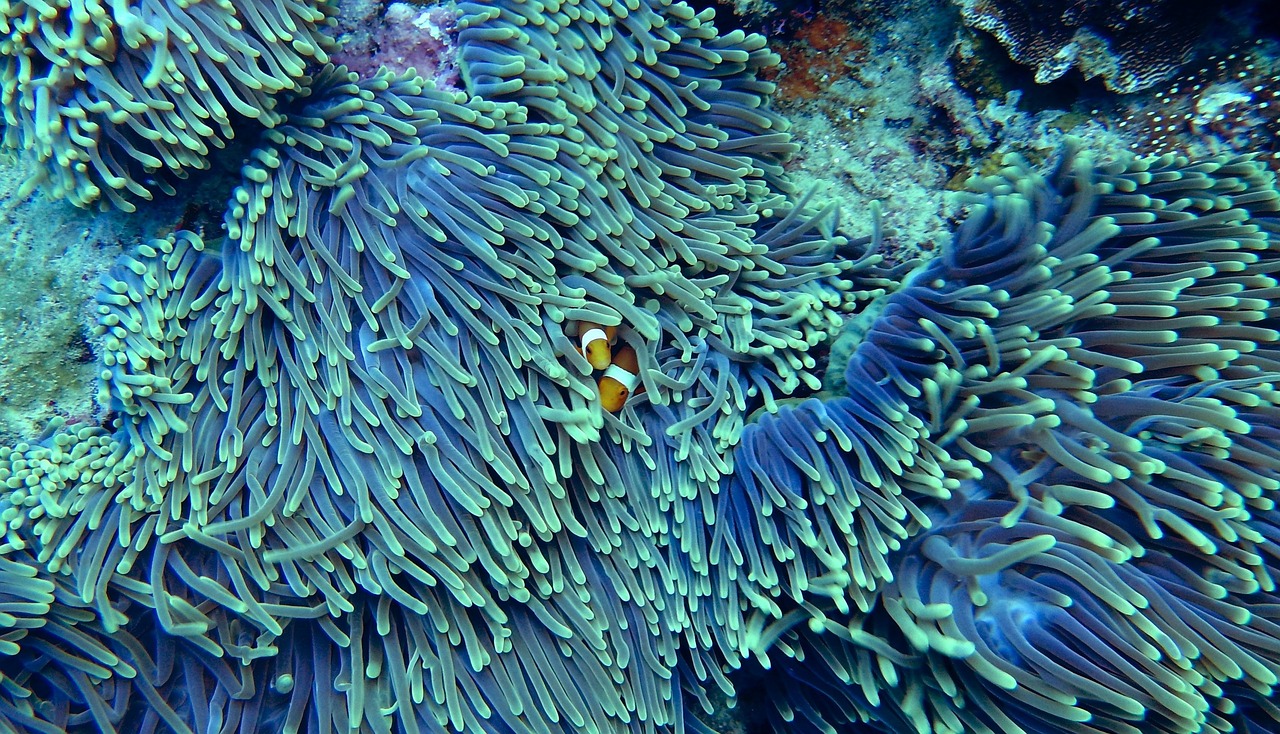

Coral reefs are vital to marine ecosystems, supporting more species than any other ocean environment. More than 80 percent of the planet’s coral reefs have been bleached due to rising ocean temperatures and pollution, according to the U.S. National Oceanic and Atmospheric Administration. The reef damage threatens marine biodiversity across the globe. Coral reefs are incredibly important for a multitude of reasons – they serve as nurseries for countless fish species, protect coastlines from erosion, and contribute significantly to tourism revenue. Furthermore, their intricate beauty attracts divers and snorkelers from around the world, generating economic benefits for coastal communities. Protecting these fragile ecosystems is therefore paramount. The importance of coral reefs cannot be overstated; they represent a cornerstone of marine life and play a vital role in maintaining global biodiversity. Understanding the threats facing them – primarily climate change and pollution – is crucial to developing effective conservation strategies. The degradation of coral reefs has profound implications, not just for the immediate environment but also for human societies that depend on these ecosystems. Recognizing their intrinsic value alongside their practical benefits underscores the urgency of action. The continued health of our oceans hinges upon the preservation of these underwater wonders. The alarming rate at which coral reefs are dying necessitates a global effort to mitigate climate change and reduce pollution. Investing in research, implementing sustainable practices, and raising awareness about the importance of coral reefs are all essential steps toward safeguarding these invaluable habitats. There is growing concern regarding the impact of rising ocean temperatures on coral populations. Scientists have identified several key factors contributing to this decline, including increased levels of carbon dioxide in the atmosphere and unsustainable fishing practices. Addressing these issues requires a multi-faceted approach involving international cooperation, technological innovation, and individual responsibility. The long-term survival of coral reefs depends on our ability to drastically reduce our environmental footprint. Consider the following table which compares several monitoring technologies used in coral reef conservation:
| Technology | Advantages | Disadvantages | Cost |
|---|---|---|---|
| Traditional Sonar | Relatively inexpensive, easy to deploy | Limited resolution, susceptible to noise | $5,000 – $15,000 |
| ROVs | High resolution, maneuverability, data collection | Complex operation, higher maintenance costs | $30,000 – $100,000+ |
| Satellite Imagery | Large-scale coverage, cost-effective for mapping | Limited detail, weather dependent | $1,000 – $10,000 |
West plans to add a data-logging system and a navigational aid, a Doppler velocity log, to help researchers more accurately track coral locations and streamline data collection. The innovative design of the ROV, dubbed Cnidaria, reflects a deep commitment to understanding and protecting these delicate environments. The name itself—derived from the taxonomic family of coral species—highlights the project’s focus on detailed observation and analysis. This meticulous approach is essential for effectively monitoring reef health and identifying areas in need of immediate intervention. The development of this underwater vehicle represents a significant advancement in marine research capabilities, providing scientists with unprecedented access to coral reefs. Furthermore, the project’s underlying principles – combining advanced sensors with intelligent data processing – are increasingly relevant across various scientific disciplines. The potential applications extend beyond coral reef conservation to include monitoring other sensitive ecosystems and assessing environmental hazards. The collaborative spirit behind Cnidaria’s creation is equally noteworthy. The project involved contributions from diverse expertise, including mechanical engineering, computer science, and marine biology, demonstrating the power of interdisciplinary collaboration in addressing complex challenges. This approach not only fostered innovation but also ensured that the research was grounded in practical considerations. The selection of Kayley Xu, a junior at Bishop’s School, as the third-place winner is a testament to the exceptional talent emerging from young minds. Her innovative stethoscope design – utilizing beamforming technology – offers a novel solution for detecting a range of medical sounds underwater, potentially revolutionizing diagnostic capabilities. The device’s potential impact extends beyond medicine, offering possibilities in marine research and environmental monitoring. The inspiration behind Xu’s project stemmed from her own experiences witnessing the limitations of conventional stethoscopes during a childhood illness, highlighting the importance of patient-centered innovation. Her dedication to developing a more accurate and reliable tool underscores the transformative power of empathy and problem-solving skills. Similarly, Fay Salim al-Mahrouqi’s work on fibrosis detection demonstrates the potential of machine learning in addressing critical healthcare challenges. Al-Mahrouqi’s hybrid AI system uses contrast-limited adaptive histogram equalization to enhance CT images, allowing for earlier diagnosis and improved treatment outcomes. The development highlights the synergy between medical expertise and artificial intelligence, paving the way for personalized medicine and targeted interventions. Moreover, her project underscores the importance of utilizing readily available data sources – such as existing CT scans – to train AI models, demonstrating a practical approach to solving complex problems. The future of coral reefs is inextricably linked to advancements in technology and scientific understanding. Continued investment in research, coupled with proactive conservation measures, will be crucial for mitigating the threats posed by climate change and pollution. The success stories of West, Xu, and al-Mahrouqi serve as inspiring examples of young innovators tackling critical challenges and shaping a more sustainable future. Ultimately, protecting these remarkable ecosystems requires a collective effort – involving scientists, policymakers, businesses, and individuals alike. By embracing innovative solutions, promoting responsible practices, and fostering a deeper appreciation for the wonders of the natural world, we can ensure that coral reefs thrive for generations to come.
Source: Read the original article here.

Discover more tech insights on ByteTrending.
Discover more from ByteTrending
Subscribe to get the latest posts sent to your email.