Imagine a world where building sophisticated robots isn’t a years-long, intensely specialized undertaking, but something accessible to a wider range of developers and innovators – that future is rapidly approaching thanks to breakthroughs in automated robotics development. For too long, training robots has been a bottleneck; it’s a complex dance of trial and error, requiring massive datasets and painstaking manual adjustments. Current methods often demand significant expertise and resources, slowing down progress across industries from manufacturing to logistics and beyond. We’re on the cusp of a paradigm shift, driven by new approaches that dramatically simplify the process. A key catalyst in this revolution is the emergence of innovative datasets designed specifically to accelerate robotic learning – and leading the charge is something truly exciting: RoboReward Robotics. This groundbreaking initiative offers a fresh perspective on how we teach robots, promising faster iteration cycles and more adaptable machines. Prepare to explore how this new approach unlocks unprecedented potential for automated robotics.
RoboReward Robotics provides a curated collection of simulated robotic tasks with pre-defined reward functions, essentially giving robots clear goals to strive for without requiring constant human intervention. This allows developers to focus on higher-level design and strategy rather than the tedious details of low-level motor control. The dataset’s structure is designed to be intuitive and readily adaptable, enabling rapid prototyping and experimentation across a wide range of robotic applications. It’s about empowering more people to participate in the robotics revolution, regardless of their prior experience.
The implications are far-reaching; from accelerating warehouse automation to creating more responsive assistive robots, the potential impact is immense. We’ll delve into the specifics of the RoboReward dataset and examine how it’s reshaping the landscape of automated robotics development, offering a glimpse into what’s possible when we prioritize accessibility and efficiency.
The Bottleneck in Robotics Development
For decades, the dream of robots seamlessly integrating into our lives – assisting with chores, performing complex manufacturing tasks, or even providing companionship – has been tantalizingly close yet persistently out of reach. While AI and machine learning have fueled incredible advancements in robotic capabilities, a significant bottleneck continues to hinder widespread adoption: the incredibly labor-intensive process of training and evaluating these systems. Current robotics development relies heavily on human intervention, creating a considerable barrier to scaling up production and deploying robots into diverse environments.
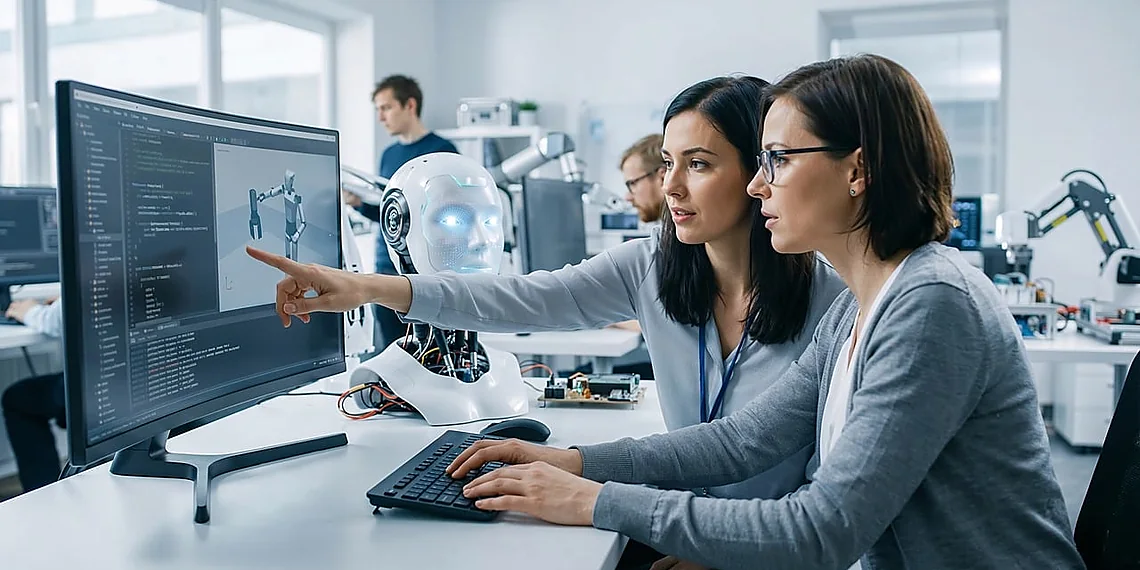
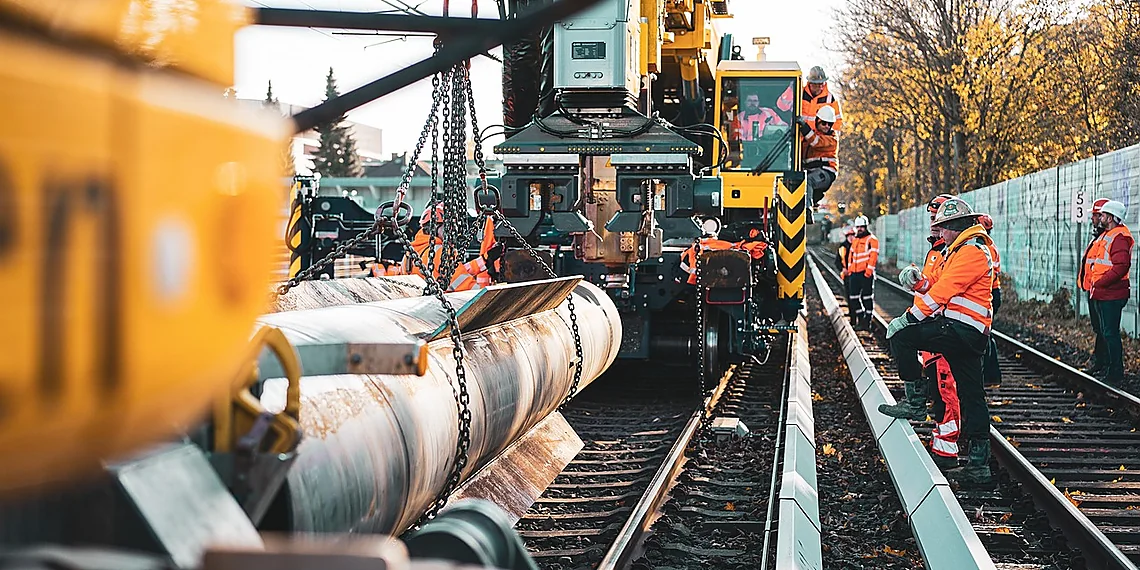
The core issue lies in how we teach robots to perform tasks. Most robotic learning algorithms require massive datasets for training – imagine teaching a vacuum cleaner to navigate a typical home. This isn’t as simple as letting it roam free; humans must painstakingly label images or videos, identifying objects (chairs, walls, pets!), and defining desired behaviors (avoid obstacles, clean efficiently). This manual labeling process is not only time-consuming but also expensive, often requiring teams of specialists. Even more frustratingly, the data needs to be representative of *all* possible scenarios the robot will encounter.
Beyond just training, evaluating a robot’s performance presents another major hurdle. Initial testing usually occurs in simulated environments, which are designed to mimic reality but inevitably fall short. A robot that performs flawlessly in simulation can quickly stumble when deployed into the unpredictable complexities of the real world – changes in lighting, unexpected obstacles, or even slight variations in floor texture can throw off its calculations. Validating performance requires extensive real-world testing and iterative adjustments, further extending development timelines and increasing costs.
This reliance on manual effort not only slows down innovation but also introduces inconsistencies. Human evaluators have biases, leading to subjective assessments of robot performance. Replicating these evaluations consistently across different teams or over time becomes exceptionally difficult. The need for a more efficient, automated approach – one that minimizes human intervention and maximizes data quality – is driving the development of what’s being called ‘RoboReward Robotics,’ a field poised to revolutionize how we build and deploy robots.
Human Labeling & Performance Assessment: A Time Sink

Training modern robots relies heavily on machine learning algorithms, but these algorithms are only as good as the data they’re trained on. Imagine teaching a vacuum cleaner to navigate your home: humans must manually label thousands of images and videos, identifying objects like chairs, tables, and walls. This ‘ground truth’ data is then used to train the robot to recognize its surroundings and plan routes. The sheer volume of labeling required for even simple tasks can be staggering, involving teams of annotators working for extended periods – a process that’s both expensive and time-consuming.
The challenge doesn’t end with initial training. Evaluating a robot’s performance is equally laborious. Robots are often first tested in simulated environments to accelerate the learning process. However, ensuring consistency between simulation and reality is critical; a robot performing flawlessly in a virtual world might struggle significantly when deployed in a real home due to differences in lighting, textures, or unexpected obstacles. Assessing this ‘sim-to-real’ gap requires human evaluators to meticulously compare performance across both environments, identifying discrepancies and guiding further training – again demanding significant manual effort.
This reliance on human labeling and performance assessment creates a major bottleneck for robotics development. It limits the speed of innovation, increases costs, and hinders the ability to rapidly deploy robots into new applications. The current process is simply not scalable if we want to see widespread adoption of robotic solutions in homes, factories, and beyond. This need has spurred research into automated methods – what’s being termed ‘RoboReward Robotics’ – which promises to alleviate this manual burden.
Introducing RoboReward: A Game Changer
The world of robotics is rapidly evolving, fueled by breakthroughs in artificial intelligence. While AI promises robots capable of handling complex tasks, a significant bottleneck has remained: effectively training and evaluating these systems. Traditionally, this process relies heavily on human intervention – labeling data, defining success metrics, and painstakingly assessing performance across simulations and real-world environments. That’s where RoboReward Robotics enters the picture, offering a potentially transformative solution to accelerate robotic learning.
Introducing RoboReward, a novel dataset and framework designed to automate reward signal generation for robotic training. At its core, RoboReward aims to liberate roboticists from tedious manual labeling. Instead of humans painstakingly defining what constitutes ‘good’ robot behavior, RoboReward leverages AI models to observe robot actions and automatically generate corresponding reward signals. This shift moves the focus away from explicit instruction and towards enabling robots to learn through trial and error, much like a human would.
So, how does it work? Imagine a robot learning to grasp an object. With traditional methods, a human engineer might define rewards based on proximity, grip strength, and final position. RoboReward, however, can analyze the robot’s attempts – its movements, collisions, successes, and failures – and dynamically assign rewards based on these observations. This automated assessment allows for dramatically faster iteration cycles; engineers can experiment with different algorithms and strategies far more quickly without being bogged down by manual evaluation.
The implications of this automated reward generation are substantial. RoboReward Robotics not only promises to accelerate the development of new robotic skills but also opens doors for exploring entirely novel approaches to training, potentially leading to robots that are more adaptable, robust, and capable than ever before. By reducing human intervention in the feedback loop, we’re paving the way for a future where robots learn faster, adapt better, and ultimately, contribute more effectively to our lives.
How RoboReward Works: Automated Reward Generation

Traditionally, training robots using reinforcement learning has been a bottleneck due to the need for humans to define reward functions – essentially, rules that tell the robot what constitutes ‘good’ behavior. This process is time-consuming, requires domain expertise, and often leads to brittle or unintended behaviors as subtle changes in the environment can exploit poorly designed rewards. RoboReward addresses this challenge by automating the generation of these reward signals. It leverages computer vision techniques and pre-defined success criteria to observe a robot’s actions during a task and automatically assign rewards based on progress towards that goal.
At its core, RoboReward works by observing a robot performing a task in either simulation or reality. The system analyzes visual data – images or video – using algorithms trained to recognize key milestones or states within the task. For example, if a robot is tasked with stacking blocks, RoboReward might identify when a block is successfully lifted, positioned above another, and gently placed. Each of these actions triggers an automatically generated reward signal, replacing the need for a human operator to manually judge performance and assign rewards.
The implications of this automation are significant. Researchers can dramatically accelerate their iteration cycles – testing new algorithms and strategies much faster than with manual reward design. This also reduces the reliance on specialized human expertise, allowing more engineers and researchers to contribute to robotic development. Ultimately, RoboReward promises to unlock a new wave of innovation in robotics by making training and evaluation significantly more efficient and accessible.
Beyond the Dataset: The Models & Future Possibilities
The true power of RoboReward Robotics extends far beyond simply automating data labeling; it’s about unlocking a new generation of AI models specifically designed for robotic control. The accompanying models, trained on this automated reward system, demonstrate remarkable capabilities in learning complex motor skills and adapting to novel environments with minimal human intervention. Initial results showcase robots mastering tasks ranging from object manipulation to navigation challenges significantly faster than traditional training methods – a testament to the efficiency of RoboReward’s feedback loop. We’re seeing promising potential for applications like assistive robotics for elderly care, where robots can learn personalized movement patterns and provide tailored support.
These models aren’t just about replicating existing behaviors; they are designed to generalize and adapt. The underlying AI architectures, often employing reinforcement learning techniques fine-tuned by RoboReward’s automated evaluation, exhibit a surprising degree of robustness to variations in lighting, object textures, and even unexpected environmental changes. Imagine customized home assistants that learn your preferred cleaning routes or warehouse logistics robots dynamically optimizing their paths based on real-time inventory updates – these are the types of advancements fueled by this accelerated training process.
Looking ahead, RoboReward Robotics could fundamentally reshape how we approach robotic research and development. The ability to rapidly prototype and iterate on robot behaviors opens doors for exploring entirely new areas of robotics, such as collaborative human-robot interaction where robots learn from direct feedback during operation. Furthermore, the data generated by these automated training runs creates a rich dataset that can be used to train even more sophisticated AI models – essentially bootstrapping the advancement of robotic intelligence.
Perhaps the most transformative possibility lies in personalized robotics. RoboReward could enable robots to learn individual user preferences and adapt their behavior accordingly, leading to truly bespoke robotic solutions. This represents a significant shift from one-size-fits-all robot designs to intelligent systems that seamlessly integrate into our lives, responding dynamically to our specific needs – all powered by the efficiency and scalability of RoboReward Robotics.
Early Model Performance & Potential Applications
Early results using RoboReward demonstrate significant improvements in robot learning efficiency compared to traditional methods. Models trained with this automated reward system have shown a marked ability to learn complex manipulation tasks, like grasping objects of varying shapes and sizes, with substantially less human intervention. Specifically, researchers observed a reduction in training time by as much as 70% for certain scenarios, indicating the potential for dramatically accelerated robot development cycles.
The adaptability offered by RoboReward-trained models is particularly promising. Instead of relying on meticulously curated datasets, these robots learn through interaction and feedback within simulated environments. This allows them to quickly adjust to novel situations and unexpected challenges – a critical requirement for real-world deployment. Imagine a caregiving robot that can adapt its assistance based on an elderly individual’s changing needs or a warehouse logistics bot able to reroute around unforeseen obstacles.
Potential applications extend beyond simple tasks. We could see customized home assistants capable of learning user preferences and automating routines, robots designed for precision agriculture, or even advanced manufacturing systems where robots dynamically optimize processes. RoboReward’s capacity to facilitate faster iteration and adaptation will likely fuel a wave of innovation in personalized robotics across diverse sectors.
Challenges & The Road Ahead
While RoboReward robotics represents a significant leap forward in training automated systems, it’s crucial to acknowledge the considerable challenges that remain before widespread adoption becomes reality. Current methods often struggle with generalization – a robot trained in one meticulously designed environment frequently falters when faced with even slight variations or unexpected obstacles in a new setting. This lack of adaptability necessitates constant retraining and fine-tuning, significantly slowing down deployment and increasing costs.
A key hurdle lies in the robots’ ability to handle unforeseen circumstances. Real-world environments are inherently unpredictable; a simple change in lighting, an object out of place, or even slight variations in surface texture can derail a robot’s pre-programmed actions. Current reward systems, while improving, often lack the nuance needed to guide robots through these complex and ambiguous situations. Further research is focusing on developing more robust algorithms that allow for real-time adaptation and learning from mistakes without requiring human intervention.
Looking ahead, the field needs a stronger emphasis on safety protocols woven directly into the RoboReward training loop. Ensuring robots operate safely alongside humans requires sophisticated mechanisms to detect potential hazards and prevent collisions – something beyond simple reward maximization. This includes exploring techniques like inverse reinforcement learning, where robots learn by observing safe human behavior, and incorporating formal verification methods to guarantee certain performance characteristics.
Finally, unsupervised or self-supervised learning holds immense promise for the future of RoboReward robotics. By allowing robots to explore their environment and discover intrinsic rewards – such as curiosity or efficiency – we can potentially reduce our reliance on manually designed reward functions and unlock a new level of autonomy. This shift towards more data-efficient and adaptable training methods is essential for realizing the full potential of automated robotics in diverse and dynamic environments.
Current Limitations & Future Research Directions
Despite significant progress in RoboReward Robotics, current systems face considerable challenges regarding generalization. Robots trained in one environment often struggle to adapt to even minor variations in lighting, object placement, or physical layouts. This lack of robustness necessitates frequent retraining and fine-tuning, significantly hindering their practical deployment across diverse real-world scenarios. Handling unexpected situations – a dropped tool, an obstruction on the floor, or an unforeseen interaction with humans – also remains a major hurdle; pre-programmed responses are often inadequate, leading to errors or even safety concerns.
Ensuring robot safety is paramount and presents another key limitation. While simulations offer a relatively safe environment for training, transferring learned behaviors to the real world requires careful consideration of potential risks. Current RoboReward systems primarily focus on task completion, sometimes at the expense of prioritizing collision avoidance or adherence to strict operational boundaries. Further research is needed to integrate robust safety constraints directly into the reward function and develop methods for verifiable behavior guarantees.
Looking ahead, future research directions are actively exploring more sophisticated approaches. This includes incorporating richer and more nuanced reward signals that account for factors beyond simple task completion – such as energy efficiency, graceful recovery from errors, or even aesthetic considerations. Furthermore, unsupervised learning techniques hold immense promise, potentially allowing robots to learn through observation and interaction without extensive human-labeled data. Combining these advancements with improved simulation environments and hardware capabilities will be critical in unlocking the full potential of RoboReward Robotics.
The shift towards automated robotics isn’t just a technological upgrade; it’s a fundamental reshaping of how we approach problem-solving and creation across numerous industries.
We’ve seen firsthand how complex robotic systems can become barriers to entry, limiting innovation to those with specialized expertise and significant resources – but that’s changing rapidly.
The emergence of platforms like RoboReward Robotics is pivotal in this evolution, offering a significantly more accessible pathway for developers, researchers, and even hobbyists to design, train, and deploy sophisticated robotic solutions.
Imagine a future where customizing a robot’s behavior isn’t the domain of elite engineers but an achievable goal for anyone with a creative vision – that’s the promise we see unfolding now, fueled by advancements in AI and intuitive development tools. This democratization has huge implications for everything from manufacturing to healthcare and beyond, opening doors to solutions previously unimaginable or simply too expensive to pursue. RoboReward Robotics is directly contributing to this expanded access and potential across diverse sectors.
Continue reading on ByteTrending:
Discover more tech insights on ByteTrending ByteTrending.
Discover more from ByteTrending
Subscribe to get the latest posts sent to your email.