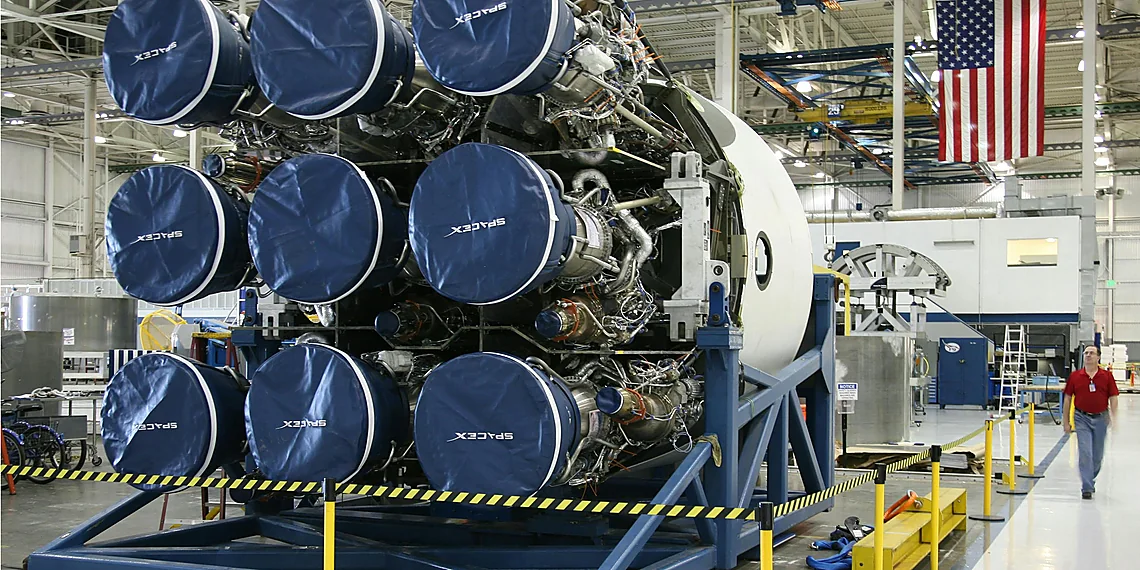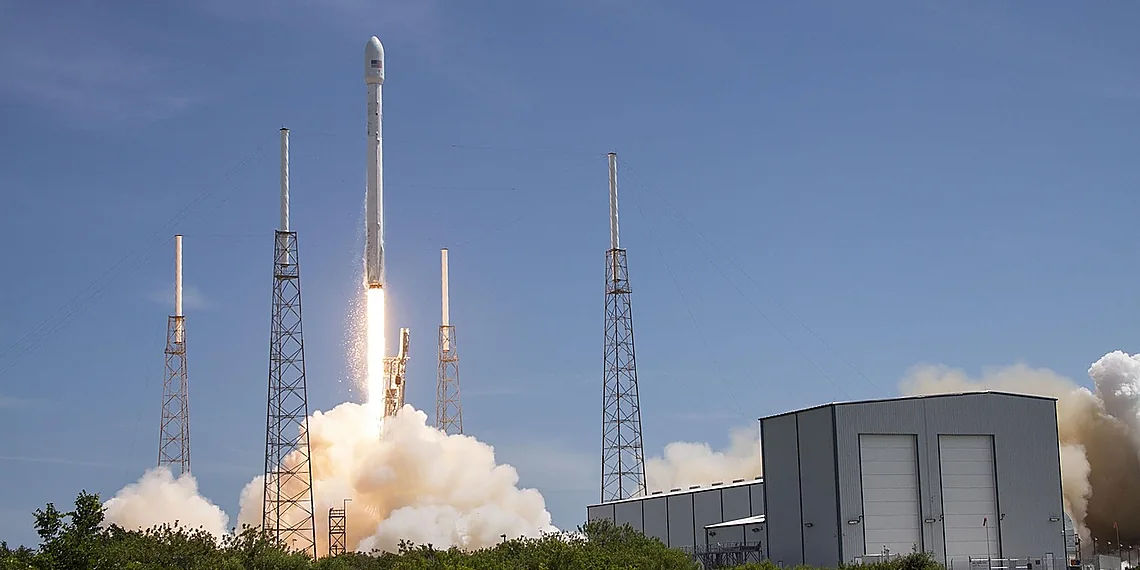

The cosmos are about to get a little busier, folks! Get ready for another exciting chapter in SpaceX’s ambitious satellite constellation project as we eagerly anticipate the next SpaceX Starlink Launch. SpaceX continues its relentless pursuit of global internet access, and this launch marks just one piece of an ongoing series designed to blanket the planet with high-speed connectivity. It’s a monumental undertaking, and each deployment brings us closer to that goal. For those newer to the story, Starlink is SpaceX’s revolutionary initiative to provide reliable, high-speed internet access to underserved areas – everywhere from rural communities to remote maritime locations. Think of it as a network of satellites working together to deliver broadband where traditional infrastructure falls short. The atmosphere is buzzing with anticipation as engineers finalize preparations and countdown clocks tick down. This latest mission promises advancements and expanded coverage, so let’s dive into what we can expect from this pivotal event. The Mission Details SpaceX is set to launch the first of several missions this week from Cape Canaveral, Florida, continuing its relentless effort to expand the Starlink constellation. The highly anticipated launch is scheduled for Friday, January 1st, 2026, and marks a shift in SpaceX’s routine – it will be an afternoon launch, departing from the usual nighttime window. This change allows for increased operational cadence and flexibility in accommodating other missions. The launch itself will originate from Space Launch Complex 40 (SLC-40) at Cape Canaveral Space Force Station. Cape Canaveral’s geographical location, offering clear access to orbital paths over the Atlantic Ocean, makes it a crucial hub for SpaceX’s operations and a prime site for launching satellites into low Earth orbit. The Falcon 9 rocket, known for its reusability and reliability, will be carrying approximately Starlink satellites – vital components of SpaceX’s ambitious internet-from-space project. These Starlink satellites are designed to provide high-speed, low-latency broadband internet access globally. Each satellite is equipped with phased array antennas for precise beam steering and inter-satellite links, allowing them to communicate with each other and ground stations without relying solely on terrestrial infrastructure. While the technical details can be complex, the core function remains simple: to bring reliable internet connectivity to underserved regions around the world. The Falcon 9 will ascend using nine Merlin engines, generating over pounds of thrust at liftoff. Following stage separation, the first stage booster is targeted for a landing on the droneship ‘Of Course I Still Love You’ stationed in the Atlantic, further demonstrating SpaceX’s commitment to reusable rocket technology and reducing launch costs.
Launch Schedule & Location

The SpaceX Starlink mission is currently scheduled to lift off from Cape Canaveral Space Force Station in Florida on Friday, January 1st, 2026, at approximately 3:45 PM EST. This marks a shift for SpaceX launches, which have historically occurred earlier in the day. The move to afternoon launches allows for optimal orbital positioning of the Starlink satellites and accommodates evolving mission requirements.
Cape Canaveral plays a critical role as a primary launch location for SpaceX. Its proximity to the equator provides an advantage – leveraging Earth’s rotational speed for increased velocity, which reduces the fuel needed to reach orbit. The Space Force Station offers extensive infrastructure, including launch pads, control centers, and tracking facilities, crucial for supporting complex missions like Starlink deployments.
This particular mission will deploy a new batch of Starlink satellites, contributing to SpaceX’s constellation designed to provide global broadband internet access. These satellites are deployed into low Earth orbit (LEO), typically around 550 kilometers above the surface, and utilize phased array antennas for high-bandwidth communication.


Understanding Starlink’s Impact
Starlink, SpaceX’s ambitious satellite internet constellation, represents a significant shift in how we think about global connectivity. At its core, Starlink aims to provide high-speed, low-latency internet access to anywhere on Earth – regardless of geographic location or existing infrastructure. This isn’t just about faster streaming; it’s about fundamentally bridging the digital divide and opening up opportunities for billions currently excluded from online services.
The benefits of widespread Starlink availability are far-reaching, particularly in underserved areas. Imagine a remote farming community gaining access to real-time weather data to optimize crop yields, or students in rural schools finally able to participate in online learning programs. Consider the potential for telemedicine reaching isolated populations, providing crucial healthcare services previously unavailable. These scenarios highlight how Starlink can be a transformative force, enabling economic growth and social progress where it’s needed most.
However, the project isn’t without its challenges and controversies. The sheer number of satellites required to create a truly global network has raised concerns about light pollution impacting astronomical observations and potential space debris hazards. Additionally, questions regarding affordability and equitable access continue to be debated, as ensuring Starlink’s benefits reach all communities requires careful planning and potentially subsidized pricing models.
SpaceX continues to refine the Starlink system, addressing these challenges while expanding its coverage area. The upcoming launch is a key step in this ongoing process, adding more satellites to the constellation and moving closer to realizing the vision of truly global internet access – a goal with immense potential to reshape our world.
Bridging the Digital Divide
One of SpaceX’s core goals with Starlink is to drastically reduce the digital divide by providing high-speed internet access to remote and underserved communities worldwide. Traditional infrastructure like fiber optic cables and cell towers are often prohibitively expensive or geographically impossible to deploy in rural areas, island nations, and developing countries. This leaves millions without reliable internet – hindering education, economic opportunity, and access to vital services like telemedicine. Imagine a small fishing village where children struggle to complete online homework assignments or farmers can’t access real-time market data; Starlink aims to change that.
The impact of readily available internet extends far beyond simple connectivity. For example, in areas with limited healthcare infrastructure, Starlink could facilitate remote consultations with specialists, bringing crucial medical expertise to patients who would otherwise have to travel long distances. Businesses can connect with global markets and access online training resources, boosting local economies. Even something as fundamental as disaster relief efforts benefit; reliable communication is essential for coordinating aid and assessing damage in areas affected by natural disasters.
While Starlink represents a significant step forward, it’s important to acknowledge its limitations. The cost of equipment and monthly subscriptions remains a barrier for many potential users, though SpaceX has been exploring options like community-based internet access points to address this. Furthermore, concerns have been raised about the impact of large satellite constellations on light pollution and space debris – issues SpaceX is actively working to mitigate through improved satellite designs and orbital management strategies.
SpaceX’s Launch Cadence & Future Plans
SpaceX has dramatically altered the landscape of spaceflight, and nowhere is that more apparent than in its increasingly rapid launch cadence. What was once a relatively infrequent occurrence is now becoming commonplace – with multiple launches occurring within incredibly short timeframes. This Friday’s Starlink mission from Cape Canaveral marks the beginning of a busy week for SpaceX, kicking off what promises to be a flurry of activity aimed at expanding their satellite constellation and furthering their ambitious space exploration goals.
The significance of this accelerated launch schedule lies in several factors. Primarily, it demonstrates SpaceX’s ongoing commitment to deploying Starlink satellites globally, providing internet access to underserved regions. The ability to consistently launch payloads efficiently is crucial for maintaining and growing such a massive network. Beyond Starlink, these frequent launches also contribute to the overall advancement of reusable rocket technology – each successful mission provides invaluable data that refines their processes and reduces costs, paving the way for even more complex missions in the future.
Looking ahead, SpaceX’s ambitions extend far beyond simply launching satellites. While the immediate focus remains on Starlink deployments, plans are already underway for projects like Starship, designed to carry humans and cargo to the Moon, Mars, and beyond. The experience gained through these frequent launch operations directly informs the development and testing of Starship’s capabilities. Expect continued high-tempo launches as SpaceX pushes the boundaries of what’s possible in space exploration.
This week’s series of launches isn’t an isolated event; it reflects a broader pattern of increased activity from SpaceX. Following Friday’s mission, we can anticipate further launches aimed at bolstering the Starlink constellation and continuing the iterative improvements to their Falcon rocket fleet. Stay tuned to ByteTrending for ongoing coverage of these exciting events and updates on SpaceX’s groundbreaking projects as they unfold.
A Week of Launches
This Friday’s Starlink mission marks the beginning of an exceptionally busy week for SpaceX. The company is planning several launches within the next seven days, demonstrating its increasingly rapid launch cadence and commitment to expanding its satellite constellation and supporting other commercial and government endeavors.
Following this initial Starlink deployment from Cape Canaveral, SpaceX has another Starlink mission scheduled for early next week. Beyond these immediate launches, anticipation builds for a planned Crew-8 mission to the International Space Station later in January, carrying astronauts and vital supplies. This sustained activity underscores SpaceX’s central role in modern spaceflight.
The accelerated launch schedule highlights SpaceX’s operational efficiency and its ability to handle multiple complex missions in close succession. These frequent launches not only contribute significantly to Starlink’s global coverage but also pave the way for future ambitious projects, including potential lunar landing missions and continued development of Starship.
Watching the Launch – Where & How

Excited to witness the SpaceX Starlink Launch? You’re not alone! This Friday marks the first in a series of afternoon launches from Cape Canaveral, and there are several ways to experience this incredible event. For those hoping to see it in person, Kennedy Space Center Visitor Complex offers prime viewing opportunities – though be prepared for crowds and consider arriving early to secure a good spot. Several local beaches along Florida’s Space Coast, including Cocoa Beach and Jetty Park, also provide excellent visibility of the launch trajectory, offering a more relaxed atmosphere (though still requiring some planning regarding parking and potential traffic). Remember to check local authorities’ websites for any specific access restrictions or safety guidelines closer to the launch date.
If an in-person experience isn’t possible, you can absolutely enjoy the show from the comfort of your own home! SpaceX consistently provides live streams of their launches. The primary viewing location is on X (formerly Twitter) via @SpaceX – this will be the most direct and reliable feed. You can also find the stream embedded on the SpaceX website itself (spacex.com), and numerous media outlets like YouTube and various news channels will likely carry the broadcast as well. We’ll update this article with direct links closer to launch time, ensuring you have easy access.
To maximize your viewing experience, regardless of whether you’re there in person or online, a few simple tips can go a long way. For physical viewers, bring binoculars! The rocket will appear as a bright point of light initially and the binoculars will help you appreciate its ascent. Consider downloading a launch tracking app to receive notifications about updates and potential delays. Online viewers should ensure your internet connection is stable and adjust your volume for optimal audio clarity during the countdown and liftoff.
Finally, keep an eye on weather conditions leading up to Friday – Florida’s Space Coast can be unpredictable! SpaceX often has backup launch dates built into their schedule due to weather constraints. Official updates regarding potential delays or rescheduling will be communicated through SpaceX’s social media channels and news outlets; staying informed is key to ensuring you don’t miss out on this exciting SpaceX Starlink Launch.

We’ve covered a lot today, from the technical intricacies of Starlink satellites to the ambitious goals driving this ongoing project.
The significance of expanding internet access globally shouldn’t be understated; it represents an opportunity for education, economic growth, and connection across previously underserved regions.
The upcoming SpaceX Starlink Launch marks another pivotal moment in that journey, promising enhanced connectivity and demonstrating the potential of satellite-based solutions.
Beyond just providing internet, these endeavors push the boundaries of engineering and innovation, inspiring a new generation to look towards the stars and imagine what’s possible – from lunar bases to interplanetary travel, the future is brimming with exciting possibilities fueled by advancements like this one. It’s truly remarkable to witness humanity’s continued reach beyond our planet’s atmosphere and the profound impact it will have on global communication infrastructure and beyond..”,
Source: Read the original article here.
Discover more tech insights on ByteTrending ByteTrending.
Discover more from ByteTrending
Subscribe to get the latest posts sent to your email.