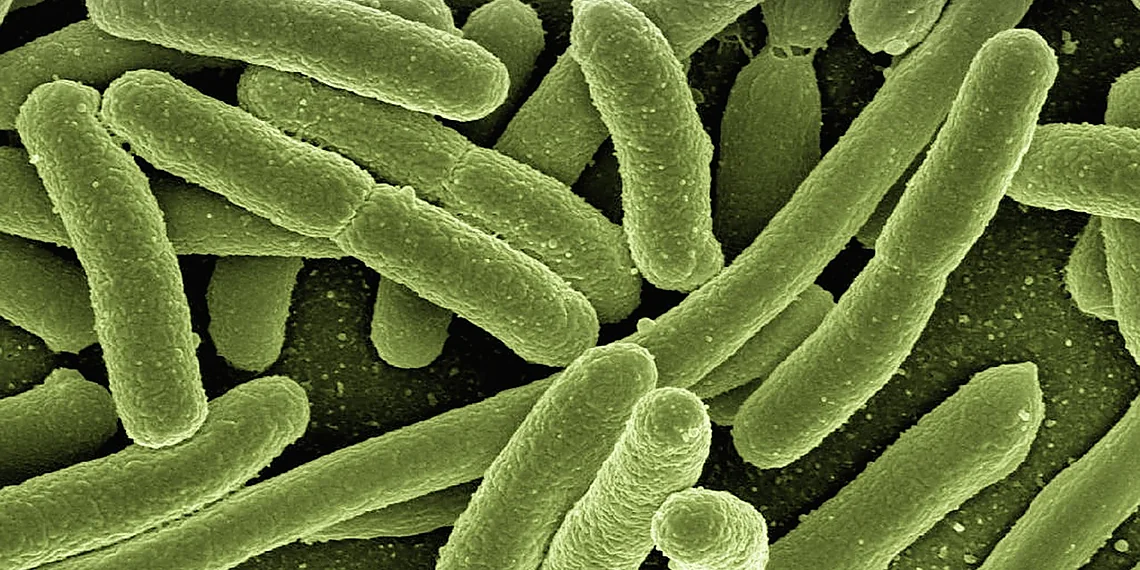

The microbial world is locked in a perpetual arms race, a constant battle between viruses seeking to exploit their hosts and bacteria developing ingenious strategies for survival. Recent research has unearthed a truly remarkable mechanism within bacteria, fundamentally changing our understanding of how they combat viral infections. Forget what you thought you knew about bacterial defense systems – this discovery reveals an entirely new layer of complexity. Scientists have identified a previously unknown pathway involving the Cas12a3 enzyme and its surprising interaction with transfer RNA, or tRNA. This intricate process represents a significant leap forward in our comprehension of how life at the smallest scale perseveres against relentless threats.
The breakthrough centers around a fascinating observation: certain bacteria utilize Cas12a3 to target specific sequences found on the tails of tRNAs when facing viral attack. These seemingly innocuous tail regions, crucial for protein synthesis, are now revealed as vulnerabilities that bacteria can exploit. This elegant system demonstrates an unprecedented level of precision in bacterial immunity, allowing them to selectively silence viral components without disrupting their own cellular machinery. The implications of this novel defense mechanism are far-reaching, suggesting a broader prevalence of similar strategies within other bacterial species.
Understanding how these defenses work – specifically the role of Cas12a3 and its targeting of tRNA tails – opens up exciting avenues for biotechnological innovation. Imagine harnessing this knowledge to engineer bacteria with enhanced resistance to viral infections or even developing novel antiviral therapies inspired by nature’s own solutions. While still in its early stages, research into bacterial immunity and systems like this one promises a wealth of opportunities across diverse fields, from agriculture to medicine.
Understanding CRISPR-Cas Systems
Bacteria constantly face threats, primarily in the form of bacteriophages – viruses that infect and replicate within bacteria. To combat this persistent danger, bacteria have developed sophisticated defense mechanisms, with CRISPR-Cas systems representing a remarkably effective solution. These systems essentially act as an adaptive immune system for bacteria, allowing them to ‘remember’ past infections and defend against future attacks. The acronym ‘CRISPR’ stands for Clustered Regularly Interspaced Short Palindromic Repeats, which are segments of DNA containing genetic sequences from previously encountered viruses.


CRISPR-Cas systems aren’t a monolithic entity; they’re categorized into different types and subtypes based on their structure and mechanism. Broadly, these systems rely on CRISPR RNA (crRNA) – short RNA molecules derived from the CRISPR array – to guide Cas proteins (CRISPR-associated proteins), which are enzymes that cleave viral DNA or RNA. Type II systems, famously employed in gene editing technologies, use a single multi-protein complex. Other types involve multiple Cas proteins with specialized roles, adding complexity and diversity to bacterial defenses.
Cas12a3, the focus of recent research, belongs to the Type V CRISPR-Cas family. While sharing core functionalities with other Type V systems like Cas12a, it exhibits unique characteristics that distinguish it as a distinct clade. Specifically, Cas12a3’s mechanism is particularly interesting: instead of targeting viral DNA directly, it preferentially recognizes and cleaves the 3′ tails of transfer RNA (tRNA) molecules upon encountering target RNA – a novel approach to disrupting phage replication and inducing bacterial growth arrest. This tRNA cleavage effectively blocks the virus’ ability to propagate.
Understanding Cas12a3’s role within the broader context of CRISPR-Cas systems highlights its evolutionary significance. It demonstrates that bacterial immunity continues to evolve, with new strategies like this preferential tRNA targeting emerging as crucial defenses against ever-evolving viral threats. This discovery not only expands our knowledge of bacterial immune mechanisms but also opens up potential avenues for biotechnological applications and further research into the intricacies of CRISPR technology.
The Basics of Bacterial Immunity

Bacteria constantly face threats from viruses known as bacteriophages (or phages), which infect and replicate within them. These phages hijack the bacteria’s cellular machinery to produce more virus particles, often leading to bacterial death. This constant arms race between bacteria and phages has driven the evolution of sophisticated defense mechanisms in bacteria – essentially, ways for bacteria to recognize and neutralize phage attacks.
CRISPR-Cas systems are a key part of this bacterial immune response. These systems function like an adaptive immune system, allowing bacteria to ‘remember’ past infections and defend against them. There are several different types of CRISPR-Cas systems (Type I, II, III, V, and VI), each employing distinct mechanisms for recognizing and destroying phage DNA or RNA. Type II, famously using Cas9, is perhaps the most well-known, but other types like Types I and III utilize multi-protein complexes to degrade invading genetic material.
Within the CRISPR-Cas system family, Type V systems – including recently discovered variants like Cas12a3 – represent a significant subset. Unlike some systems that target DNA, many Type V systems recognize and cleave RNA, providing a crucial defense against phages that rely on RNA intermediates during their infection cycle. The recent discovery of Cas12a3’s unique mechanism highlights the ongoing innovation in bacterial immunity.
Cas12a3: A Unique Immune Strategy
The bacterial immune system has long been a source of fascination for scientists, particularly its ingenious use of CRISPR-Cas technologies to defend against viral invaders. While most CRISPR-Cas systems focus on directly targeting and destroying viral DNA or RNA, a newly discovered variant, Cas12a3, employs an unexpectedly clever strategy: it attacks the cell’s own transfer RNA (tRNA). This unique approach represents a significant departure from established mechanisms within the broader CRISPR-Cas family, offering a fresh perspective on how bacteria can achieve immunity.
What sets Cas12a3 apart is its preference for cleaving the 3′ tails of tRNAs following recognition of target RNA. Unlike other CRISPR-Cas systems that directly degrade viral genetic material, Cas12a3’s attack indirectly hinders phage dissemination by triggering cellular growth arrest. The process begins when Cas12a3 recognizes a specific sequence within the invading viral RNA – essentially flagging it as a threat. This recognition then initiates its unusual action: the cleavage of tRNA molecules.
The targeting of tRNA tails is particularly noteworthy because tRNAs are crucial for protein synthesis. By disrupting this fundamental cellular process, Cas12a3 effectively shuts down phage replication and prevents further infection. Researchers believe that this mechanism might be an evolutionary adaptation to deal with specific viral threats where directly attacking the viral genome proves challenging or inefficient. The specificity of target RNA recognition is key; Cas12a3 doesn’t indiscriminately attack all tRNAs, but rather responds to a signal from the invading virus.
The discovery of Cas12a3 and its tRNA-targeting mechanism provides valuable insights into the diversity and adaptability of bacterial immune systems. Further research exploring the full scope of this unique defense strategy could potentially inspire new approaches for combating viral infections or even engineering novel gene editing tools. Understanding how Cas12a3 functions opens a window into previously unknown layers of complexity within bacterial immunity, showcasing nature’s remarkable ingenuity.
Targeting tRNA Tails: The Novel Mechanism

Unlike most CRISPR-Cas systems that target DNA or RNA, Cas12a3 exhibits a remarkably specialized immune function: it cleaves the 3’ tails of transfer RNA (tRNA) molecules. This is an unusual departure from typical CRISPR mechanisms, which predominantly focus on disrupting genomic sequences to neutralize viral threats. The discovery of this tRNA targeting behavior significantly expands our understanding of how bacteria defend themselves against invaders like phages.
The process begins with Cas12a3 recognizing a specific target RNA sequence – often derived from the invading phage – that acts as a trigger. Upon recognition, Cas12a3 is activated and initiates indiscriminate cleavage of tRNA molecules at their 3’ ends. This targeted destruction of tRNAs disrupts protein synthesis, effectively arresting bacterial growth and preventing further phage replication and spread. The reliance on target RNA recognition to activate this unusual proteolytic activity differentiates Cas12a3 considerably.
The targeting of tRNA tails represents a novel defense strategy within the CRISPR-Cas arsenal. While other systems might indirectly impact translation by damaging mRNA, directly attacking tRNAs presents a more direct and disruptive block to protein synthesis. Further research is underway to fully elucidate how this mechanism evolved and whether similar tRNA-targeting strategies are employed by other bacterial immune systems.
The Biological Impact & Consequences
The discovery that Cas12a3 targets and cleaves the 3’ tails of transfer RNA (tRNA) unveils a surprisingly sophisticated layer of bacterial immunity, carrying significant biological impact. Unlike many CRISPR systems targeting directly viral DNA or RNA, Cas12a3’s mechanism is far more insidious – it attacks a fundamental building block of protein synthesis. This targeted tRNA tail cleavage isn’t merely a minor inconvenience for the bacterium; it represents a catastrophic disruption to cellular machinery essential for growth and survival. The immediate consequence is widespread growth arrest, effectively halting bacterial proliferation as ribosomes are rendered incapable of efficiently translating mRNA into functional proteins.
The downstream effects extend beyond simple inhibition of protein production. tRNA tail integrity is crucial for maintaining tRNA stability and accurate decoding during translation. When Cas12a3 removes these tails, it triggers a cascade of events including tRNA degradation and misreading of the genetic code. This leads to the accumulation of aberrant proteins, further exacerbating cellular dysfunction. Critically, this mechanism also serves as a potent antiviral defense; by arresting bacterial growth, Cas12a3 simultaneously blocks phage dissemination – preventing the virus from replicating and spreading to new host cells. It’s an elegant system where self-preservation directly thwarts viral propagation.
The implications for bacterial survival are profound. This tRNA tail cleavage mechanism provides a particularly effective defense against phages that might otherwise hijack the bacterial machinery for their own replication. It highlights the remarkable evolutionary arms race between bacteria and viruses, with each side constantly developing countermeasures to overcome existing defenses. Understanding how Cas12a3 functions could offer new insights into the complex interplay of cellular processes and viral infection, potentially revealing novel targets for antibacterial therapies that circumvent phage resistance.
Furthermore, this discovery expands our understanding of CRISPR systems beyond their traditional roles in nucleic acid targeting. It demonstrates a previously unrecognized level of specificity and ingenuity within bacterial immune responses – a system leveraging a critical cellular component (tRNA) to achieve robust protection. The ability of Cas12a3 to effectively shut down phage replication by manipulating tRNA function underscores the intricate and often surprising ways bacteria have evolved to safeguard their existence.
Growth Arrest and Viral Disruption
Recent research has revealed a novel mechanism by which Cas12a3, a member of type V CRISPR-Cas systems, provides bacterial immunity. Unlike many other CRISPR systems that target RNA directly, Cas12a3 specifically cleaves the 3’ tails of transfer RNA (tRNA) molecules following recognition of a complementary guide RNA sequence. This seemingly subtle modification has profound consequences for bacterial physiology, as tRNAs are essential carriers of amino acids during protein synthesis.
The truncation of tRNA tails by Cas12a3 disrupts normal translation processes, leading to premature termination and the production of truncated or non-functional proteins. This widespread disruption in protein synthesis directly induces a state of growth arrest within the bacterial cell. Furthermore, this interference with cellular machinery effectively prevents the replication and spread of bacteriophages (viruses that infect bacteria), offering a potent defense mechanism against viral attack.
This discovery expands our understanding of bacterial immunity beyond simple RNA targeting. The dependence on tRNA modification highlights how bacterial immune systems can exploit fundamental cellular processes to achieve protection. Cas12a3’s activity underscores the intricate interconnectedness of bacterial physiology and provides a new avenue for exploring potential therapeutic interventions, such as designing strategies to manipulate bacterial immunity or developing novel antiviral therapies.
Future Implications & Potential Applications
The discovery of Cas12a3’s unique mechanism for triggering bacterial immunity – targeting tRNA 3′ tails via RNA recognition – carries profound implications far beyond our understanding of microbial defenses. This system represents a previously unknown layer of complexity in how bacteria combat viral infections, highlighting the remarkable evolutionary arms race constantly unfolding within microbial ecosystems. Understanding these intricate mechanisms not only refines our knowledge of bacterial evolution but also opens exciting avenues for leveraging this naturally evolved system for biotechnological advancements.
Perhaps most compelling is the potential to adapt Cas12a3 into a novel gene-editing tool. While existing CRISPR systems, like Cas9 and Cas12a, have revolutionized genetic engineering, Cas12a3’s unique targeting mechanism—specifically its preferential cleavage of tRNA tails—could offer distinct advantages. It potentially allows for more precise control over gene expression or targeted manipulation of RNA processes within cells. Further research is needed to fully characterize its performance and specificity compared to current CRISPR technologies, but the initial findings suggest a promising alternative with possibilities in areas like therapeutic development where fine-tuned RNA regulation is crucial.
However, it’s important to acknowledge potential limitations. Adapting Cas12a3 for gene editing will require overcoming challenges related to delivery and off-target effects, similar to those encountered with other CRISPR systems. The dependence on tRNA recognition also presents a design constraint – manipulating the targeting specificity might be more complex than with some other Cas enzymes. Nevertheless, ongoing research focusing on engineering Cas12a3’s RNA binding domain could expand its applicability and address these hurdles.
Ultimately, this discovery underscores the continued relevance of studying bacterial immune systems as a source of inspiration for new biotechnologies. The natural ingenuity displayed by bacteria in developing defenses against viral threats provides a rich landscape for innovation. By unraveling these mechanisms – like Cas12a3’s novel tRNA targeting – we can unlock powerful tools with far-reaching applications, from advanced gene editing to innovative therapeutic strategies.
Beyond Bacterial Defense: Biotechnological Possibilities
The unique mechanism of Cas12a3, targeting tRNA 3′ tails rather than DNA like traditional CRISPR systems, presents a compelling opportunity for developing novel biotechnological tools. Unlike standard CRISPR-Cas9 which relies on double-stranded breaks and can induce complex cellular repair responses, Cas12a3’s targeted RNA cleavage offers the potential for more precise and controlled gene regulation. Researchers envision adapting this system to silence specific genes or modulate RNA processing without permanently altering the genome – a significant advantage in fields like therapeutic development where genomic modifications carry inherent risks.
While still early in its developmental trajectory, Cas12a3-based tools could offer advantages over existing CRISPR technologies beyond just RNA targeting. The smaller size of some Cas12a3 orthologs compared to Cas9 simplifies delivery into cells and tissues, potentially expanding the range of treatable conditions. Furthermore, the specificity conferred by tRNA recognition may reduce off-target effects, a persistent challenge with current gene editing approaches. However, engineering Cas12a3 for broad applicability requires overcoming limitations like its natural preference for specific tRNA sequences and optimizing its catalytic activity in diverse cellular environments.
Future research will focus on broadening the target range of Cas12a3 through protein engineering and developing efficient delivery methods. The ability to precisely control RNA function with this system could revolutionize fields such as synthetic biology, allowing researchers to design complex biological circuits and pathways with unprecedented precision. Further investigation into the evolutionary origins of Cas12a3 within bacterial immune systems may also reveal new insights into the co-evolutionary arms race between bacteria and viruses, furthering our understanding of fundamental biological processes.

The discovery of Cas12a3’s RNA-triggered activation fundamentally reshapes our understanding of how bacteria defend themselves against viral attacks, offering a fascinating glimpse into an unexpected level of sophistication within their immune systems. This novel mechanism highlights that bacterial immunity isn’t solely reliant on DNA recognition, broadening the possibilities for viral evasion and driving further research into the intricacies of these microbial defenses. The implications are substantial; comprehending this process could lead to innovative strategies for combating antibiotic resistance or even designing new antimicrobial therapies. While Cas12a3’s precise role in diverse bacterial species remains an area of active investigation, its identification marks a significant milestone in deciphering the complex landscape of bacterial immunity and provides valuable insight into evolutionary adaptations. The research underscores that seemingly simple organisms possess remarkable defense mechanisms constantly evolving to outwit their attackers. To truly appreciate the magnitude of this breakthrough and its potential impact, we encourage you to delve deeper into the world of CRISPR technology. Explore ByteTrending’s comprehensive guide to CRISPR applications for a broader perspective on gene editing and its diverse uses. You might also find our article ‘The Future of Gene Editing: Beyond CRISPR-Cas9’ particularly insightful, or check out resources from the Broad Institute’s CRISPR website for cutting-edge research updates.
Learn more about the ongoing evolution of this revolutionary technology – the field is rapidly expanding, with new discoveries emerging constantly. Stay tuned to ByteTrending for future coverage on advancements in gene editing and microbial defense mechanisms.
Continue reading on ByteTrending:
Discover more tech insights on ByteTrending ByteTrending.
Discover more from ByteTrending
Subscribe to get the latest posts sent to your email.