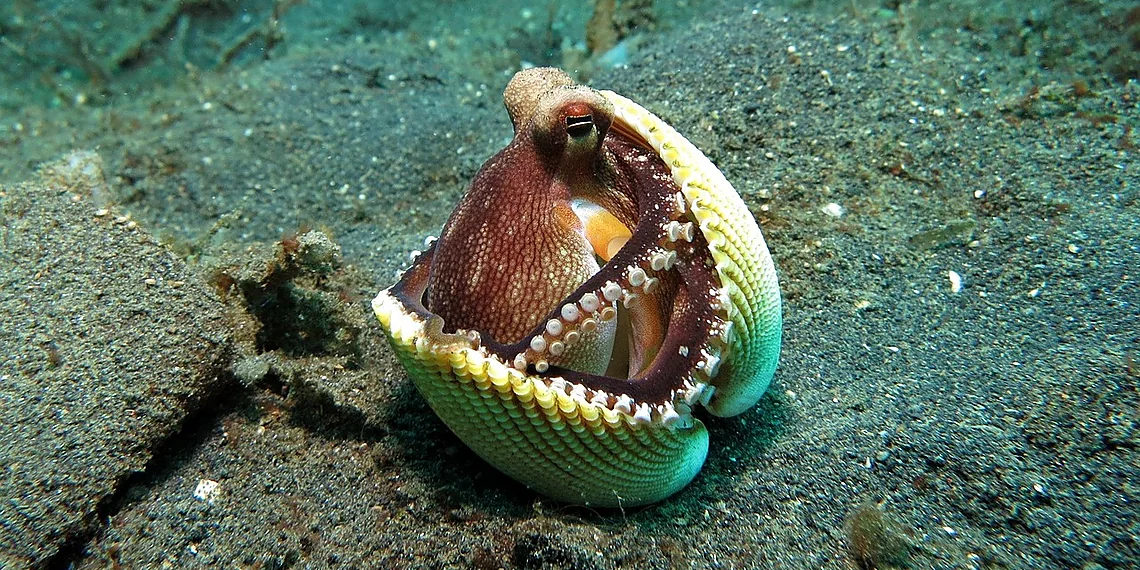

Imagine an animal capable of instantly blending into its surroundings, shifting colors and textures to become virtually invisible – that’s the remarkable reality for octopuses. Their incredible camouflage isn’t just a visual spectacle; it’s a sophisticated biological system driven by incredibly precise muscular control over specialized pigment-containing cells. Scientists have long been captivated by this natural marvel, seeking inspiration for groundbreaking technological advancements. Now, researchers at Stanford University are making significant strides towards replicating this ability with a newly developed flexible material that mimics the octopus’s skin. This exciting development centers around creating what we call adaptive materials, capable of changing their properties in response to external stimuli. The implications extend far beyond mere aesthetics; envision self-healing robots, dynamically camouflaged military gear, or even smart textiles that regulate temperature based on environmental conditions. These innovations promise to revolutionize fields from robotics and defense to fashion and medicine, bringing the wonders of the ocean’s depths closer than ever before.
The Stanford team’s breakthrough lies in a novel approach to creating layered structures that can dynamically alter their reflectivity. By carefully engineering these layers, they’ve achieved a material capable of mimicking the rapid color changes seen in octopus skin. While still in early stages, this research represents a pivotal moment in biomimicry and opens up exciting new avenues for materials science. The ability to create surfaces which adjust to changing light conditions has previously been limited by mechanical constraints, but with this flexible design, those limitations are being overcome.
Ultimately, the pursuit of mimicking octopus camouflage isn’t just about creating invisibility; it’s about understanding and harnessing the principles behind natural adaptation. This research into adaptive materials exemplifies how nature holds countless solutions to complex engineering challenges, waiting for us to unlock them. The future looks bright as we continue to explore the fascinating world of biomimicry and its potential to shape a more innovative and responsive technological landscape.
The Inspiration: Octopus Camouflage Mastery
The remarkable ability of an octopus to seamlessly blend into its surroundings isn’t just a display of natural beauty; it’s a masterclass in adaptive materials science. For survival, these cephalopods rely on rapid and complex color and texture changes – a feat that has captivated scientists for decades. Understanding how octopuses achieve this camouflage is proving crucial for developing new technologies capable of mimicking their incredible capabilities.

At the heart of octopus camouflage lie specialized pigment-containing cells called chromatophores. These tiny, elastic sacs are controlled by muscles, allowing the octopus to expand or contract them, changing the color displayed. But it’s not just about color; iridophores and leucophores add another layer of complexity. Iridophores reflect light through microscopic structures, creating iridescent sheens, while leucophores scatter light, providing a white base for reflecting surrounding colors. The coordinated action of all three cell types – controlled by the octopus’s nervous system in response to visual information – is what allows for such astonishingly accurate and rapid mimicry.
Replicating this natural phenomenon presents an immense challenge. It’s not simply about creating color-changing pigments; it requires a dynamic, responsive system that can control these elements with incredible speed and precision while also adapting texture. The octopus’s skin isn’t just changing color, but also subtly altering its three-dimensional structure to match the surrounding environment – mimicking the roughness of rocks or the smoothness of sand. This intricate interplay between pigment cells, structural changes, and neurological control is what makes the octopus’s camouflage so uniquely effective.
The complexity extends beyond individual cell behavior; it’s about understanding how these cells are arranged and communicate within the skin to create a cohesive visual effect. Scientists are now beginning to unravel these secrets, paving the way for bio-inspired materials that can dynamically adapt their properties in response to external stimuli – potentially revolutionizing fields from camouflage technology and robotics to advanced displays and even nanoscale bioengineering.
Decoding the Octopod’s Secret Weapon
Octopuses, masters of disguise, achieve their remarkable camouflage through a sophisticated interplay of three distinct types of pigment-containing cells: chromatophores, iridophores, and leucophores. Chromatophores are elastic sacs filled with pigments (typically yellow, red, brown, or black) controlled by radial muscles. When these muscles contract, the sac expands, spreading the pigment and darkening the skin; relaxation causes the pigment to retract, lightening the area. This allows for rapid color changes across the octopus’s body.
Iridophores are reflective cells containing stacks of thin plates made of guanine crystals. These plates reflect light, creating iridescent colors like blues, greens, and silvers. By adjusting the spacing between these plates – a process controlled by muscular contractions – octopuses can shift the wavelengths of reflected light, altering their perceived color without changing the underlying pigment. Leucophores are the final piece, acting as diffuse reflectors that scatter incoming light, contributing to brightness and overall tone.
Replicating this complex system in synthetic materials is exceptionally challenging. It’s not simply about creating cells that change color; it’s about coordinating their activity with incredible speed and precision – often within milliseconds. The octopus achieves this through a decentralized neural control network, meaning there’s no central ‘color command center,’ but rather individual muscle controls responding to visual cues. Mimicking this level of biological complexity requires breakthroughs in nanoscale engineering, materials science, and artificial intelligence capable of emulating the octopus’s distributed processing.
The Stanford Breakthrough: Nanoscale Mimicry
Stanford University researchers have achieved a significant leap forward in adaptive materials technology with the creation of a novel, flexible material capable of rapidly altering both its surface texture and color – mimicking the remarkable camouflage abilities of an octopus. This isn’t just about changing colors; it’s about dynamically reshaping the surface at a microscopic level to reflect light differently, offering unprecedented control over how the material interacts with its environment. The breakthrough lies in successfully translating the complex biological mechanisms of octopus skin into a synthetic system.
The core innovation involves a layered architecture meticulously designed to replicate the nanoscale transformations seen in cephalopod skin. At its base are flexible polymer sheets, providing the structural foundation for the adaptable surface. Embedded within these layers are tiny nanoparticles – specifically, plasmonic particles that interact with light and contribute significantly to the material’s color-changing properties. These nanoparticles aren’t simply dispersed; they are strategically arranged and controlled using a sophisticated fabrication process allowing for precise manipulation of their spacing and orientation.
What truly sets this material apart is its ability to achieve these transformations in a flexible manner, crucial for real-world applications. Previous attempts at mimicking octopus camouflage often resulted in rigid or brittle structures. The Stanford team overcame this challenge by focusing on the polymers’ elasticity and developing techniques that allow the nanoparticles to move freely within the layered structure without compromising flexibility. This allows the material to conform to complex shapes and maintain its functionality even when bent or stretched – a vital characteristic for applications ranging from wearable technology to soft robotics.
The implications of this nanoscale mimicry extend far beyond simple camouflage. Imagine adaptive surfaces that can dynamically adjust their light absorption properties for solar energy harvesting, create ever-changing artistic displays, or provide responsive coatings for robots needing to interact with delicate environments. Further down the line, these advances could even contribute to breakthroughs in nanoscale bioengineering, enabling the development of biocompatible materials capable of responding directly to biological signals – opening up exciting possibilities for targeted drug delivery and advanced medical devices.
Building Blocks: The Material’s Architecture
The remarkable ability of octopuses to rapidly change color and texture isn’t just a fascinating biological phenomenon; it’s also inspired a groundbreaking new material developed at Stanford University. This ‘adaptive material,’ as researchers call it, is built from layers of polymers – long chains of molecules that give plastics their flexibility – interspersed with tiny nanoparticles. These nanoparticles are key to the material’s transformative capabilities and are carefully selected for their optical properties.
The layered structure is crucial. Each layer contains these nanoparticles which can be individually controlled. Think of it like a stack of microscopic tiles, each capable of shifting slightly. When an electrical voltage is applied, these nanoparticles rearrange themselves within their polymer matrix. This rearrangement alters how light reflects off the surface, enabling changes in both color and texture – mimicking the way an octopus’s skin cells (chromatophores) work.
The nanoscale level of control allows for incredibly fine-grained adjustments. Instead of large, visible shifts, the material can achieve subtle yet dramatic changes in appearance. This precision is what separates it from previous attempts at adaptive camouflage or color-changing materials and opens up possibilities far beyond simple imitation – ranging from dynamically adjustable displays to robotic skin that responds to its environment.
Beyond Camouflage: Potential Applications
While the octopus’s camouflage abilities initially captivated researchers, the potential of this newly developed adaptive material extends far beyond simply blending into a background. The core innovation – mimicking the nanoscale transformations within octopus skin – opens doors to a surprisingly broad range of applications across diverse fields. We’re talking about materials that can actively respond to external stimuli like light, temperature, or pressure, dynamically altering their properties in ways previously unimaginable. This isn’t just about color changing; it’s about creating surfaces with programmable textures and functionalities.
Imagine soft robots capable of adapting their appearance and grip strength based on the environment they navigate. A robot exploring a delicate coral reef might subtly shift its colors to avoid startling marine life, or alter its surface texture for enhanced traction. In the art world, dynamic sculptures could react to audience presence, shifting patterns and hues in real-time, creating truly immersive experiences. And consider the possibilities within biomedical engineering: implantable devices with tunable surface properties could minimize immune response or deliver drugs precisely where needed, offering a new paradigm for personalized medicine.
The impact of these advancements in adaptive materials is significant, promising to revolutionize how we interact with technology and our surroundings. From creating more intuitive human-machine interfaces to enabling entirely new forms of artistic expression, the possibilities are only beginning to be explored. As this technology matures, it’s crucial to consider potential ethical implications – ensuring responsible development and deployment across all sectors. For example, the use of adaptive camouflage in military applications necessitates careful consideration of its societal impact.
Looking ahead, researchers anticipate further refinements allowing for even more complex and nuanced material responses. This could involve integrating sensing capabilities directly into the adaptive material itself, creating truly ‘smart’ surfaces that not only react to their environment but also learn from it. The journey from mimicking octopus skin to realizing these advanced applications is still in its early stages, but the potential rewards – a world of dynamically adaptable materials – are undeniably transformative.
From Robotics to Bio-Integration

The ability to mimic octopus skin’s rapid color and texture changes opens exciting avenues for soft robotics. Imagine robots capable of altering their appearance—not just for camouflage, but also to express emotion or adapt to social cues during human interaction. Researchers are exploring designs where robotic surfaces dynamically shift patterns and colors based on environmental factors or user input, creating more intuitive and engaging interfaces. This could revolutionize fields like elder care, where empathetic robot companions become a reality, or in search and rescue operations where robots can blend seamlessly into complex environments.
Beyond robotics, this adaptive material promises innovative applications in art and design. Artists are already envisioning dynamic artwork that responds to its surroundings – shifting colors based on ambient light, altering textures in response to sound, or even creating interactive installations that change shape with viewer movement. This goes beyond static displays; it’s about creating living, breathing pieces of art capable of evolving and engaging audiences in entirely new ways. The possibilities extend to architecture too, allowing building facades to adjust their appearance based on weather conditions or time of day.
Perhaps the most transformative potential lies within biomedical engineering. Tunable surface properties could enable the creation of devices like drug delivery systems with dynamically controlled release rates, or implantable sensors that adapt to tissue growth and minimize rejection risk. Furthermore, researchers are investigating ways to engineer biocompatible surfaces that promote cell adhesion for regenerative medicine applications. While these advancements hold immense promise, ethical considerations surrounding bio-integration and potential misuse require careful discussion and responsible development.
Challenges & The Road Ahead
While the octopus skin-inspired material represents a monumental leap in adaptive materials technology, significant hurdles remain before widespread application becomes reality. Currently, fabrication is complex and expensive, relying on intricate nanofabrication techniques that aren’t easily scalable for mass production. The energy required to trigger these rapid textural changes is also relatively high, posing challenges for portable or low-power applications – imagine a camouflaging suit requiring constant battery swaps! Furthermore, the current iterations of the material demonstrate limited durability; repeated transformations can degrade its performance over time, necessitating improvements in both the underlying structural integrity and the longevity of the nanoscale components.
A key area of ongoing research focuses on streamlining the manufacturing process. Scientists are exploring alternative fabrication methods like self-assembly techniques and 3D printing to reduce costs and increase production volume. Simultaneously, efforts are underway to enhance energy efficiency by optimizing the design of the nanostructures themselves, potentially leveraging piezoelectric materials or other energy harvesting strategies. Improving durability involves investigating new polymer chemistries and protective coatings that can withstand repeated deformation without compromising functionality – essentially creating a more robust ‘skin’ for these adaptive surfaces.
Looking ahead, achieving true versatility will require expanding the range of controllable parameters beyond simple texture and color changes. Future research aims to incorporate functionalities like shape memory capabilities, responsiveness to multiple stimuli (e.g., temperature, pressure, light), and even the ability to dynamically adjust optical properties such as reflectivity or transparency. This ‘programmable matter’ vision necessitates a deeper understanding of how these nanoscale transformations interact with each other and with external environments, demanding interdisciplinary collaboration between materials scientists, engineers, and computer scientists.
Ultimately, before we see octopus skin tech integrated into everyday devices – from adaptive camouflage for military applications to dynamically adjustable displays or even advanced medical implants – significant advancements are needed in scalability, energy efficiency, durability, and the breadth of controllable functionalities. The journey is far from over, but the potential rewards for mastering this transformative technology are immense, promising a future where materials can seamlessly adapt to their surroundings and respond intelligently to our needs.
Scaling Up: Hurdles to Commercialization
While the octopus-inspired adaptive material developed at Stanford demonstrates remarkable potential, significant hurdles remain before widespread commercialization can be realized. Currently, the fabrication process is relatively expensive, relying on complex microfabrication techniques and specialized materials. Reducing production costs to a point where it’s competitive with existing solutions for applications like camouflage or dynamic displays is paramount. Furthermore, scaling up manufacturing from laboratory prototypes to industrial quantities presents its own engineering challenges.
Durability and the speed of transformation also pose limitations. The current material’s lifespan under repeated transformations needs improvement; prolonged use can lead to degradation and reduced performance. Research efforts are focused on exploring more robust polymers and alternative actuation methods that could extend longevity. Simultaneously, scientists are working to accelerate the switching speed between textures and colors – a faster response time would be crucial for applications requiring real-time adaptation.
Finally, energy efficiency is a key consideration. The current system requires an electrical input to trigger the shape changes; optimizing this process to minimize energy consumption will be vital for practical deployment, especially in portable or remote applications. Ongoing research includes investigating alternative power sources like light or heat and exploring novel material compositions that require less energy to induce transformations.
The octopus’s remarkable skin offers an unparalleled blueprint for innovation, demonstrating a level of camouflage and texture change that scientists are only beginning to fully understand. We’ve seen how its intricate cellular structure inspires designs for everything from military camouflage to flexible displays, showcasing the immense potential locked within nature’s solutions. This deep dive into octopus skin technology highlights a pivotal moment in materials science; it’s not just about mimicking function, but fundamentally rethinking how we approach design and manufacturing. The development of truly effective adaptive materials hinges on continued research and refinement of these biomimetic approaches, promising a future where objects can dynamically respond to their environment with incredible precision. Imagine buildings that adjust insulation based on weather patterns or clothing that regulates temperature – the possibilities are genuinely transformative. These advances directly contribute to the broader field of adaptive materials, pushing boundaries and opening doors to applications we haven’t even conceived of yet. The synergy between biology and engineering is proving to be a powerful catalyst for groundbreaking discoveries, and octopus skin stands as a shining example. To further explore this fascinating intersection of disciplines, we encourage you to delve deeper into the principles of biomimicry – learning how nature’s designs can inspire technological innovation. Nanotechnology also plays a crucial role in realizing these advancements; understanding its intricacies will give you an even greater appreciation for the science behind octopus skin and future material breakthroughs. Let’s continue to explore, innovate, and build a future inspired by the wonders of the natural world.
Ready to unlock more secrets from nature’s toolbox?
Continue reading on ByteTrending:
Discover more tech insights on ByteTrending ByteTrending.
Discover more from ByteTrending
Subscribe to get the latest posts sent to your email.