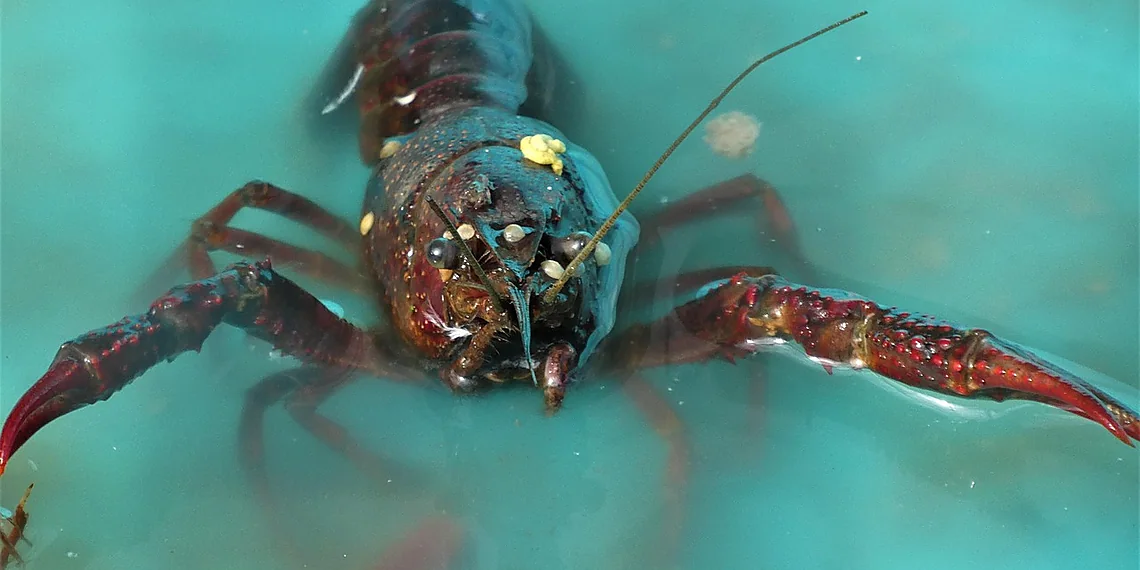

Imagine a robot hand, not built from metal and plastic, but inspired by – and incorporating parts of – a lobster’s claw. It sounds like science fiction, doesn’t it? The world of robotics is constantly pushing boundaries, seeking new materials and designs to improve performance and adaptability, and sometimes the most groundbreaking solutions come from the most unexpected places. We often think of advanced engineering as solely about synthetic creation, but a fascinating field called biorobotics is changing that perception.
Biorobotics, at its core, explores how biological systems – everything from insect locomotion to octopus camouflage – can inform and improve robotic design. It’s a convergence of biology and engineering, aiming to mimic nature’s efficiency and elegance in creating robots capable of tackling complex tasks. While researchers have drawn inspiration from various creatures, a recent development is particularly striking: the use of lobster shells to create remarkably effective robotic grippers.
These aren’t just aesthetic nods to crustaceans; engineers are leveraging the unique properties of chitin, the material that makes up lobster exoskeletons, to build grippers capable of delicate manipulation and robust handling. The resulting designs offer a compelling blend of strength, flexibility, and surprisingly lightweight construction, proving that nature truly is one of the best engineers we have. Let’s dive into how this unexpected application is revolutionizing robotic gripping technology.
The Inspiration: Nature’s Engineering
For decades, robotic design has largely followed principles from engineering and mechanics, often resulting in complex, powerful machines built for specific tasks. However, as researchers push the boundaries of what robots can do – handling delicate objects, navigating unpredictable terrain, or operating in confined spaces – they’re increasingly turning to a far more elegant source of inspiration: nature itself. This burgeoning field, known as biorobotics, recognizes that millions of years of evolution have already solved many of the challenges we face in creating efficient and adaptable machines.


Nature isn’t just beautiful; it’s remarkably efficient. Consider how a bird’s wing generates lift with minimal energy expenditure or how a spider web distributes weight across an incredibly intricate structure. Traditional robotic manufacturing often prioritizes brute force and rigid structures, which can be power-hungry and fragile. Biorobotics, conversely, seeks to replicate the inherent strengths of natural systems – their flexibility, resilience, and ability to adapt to changing conditions with minimal energy input. By mimicking these designs, engineers aim to create robots that are not only capable but also remarkably resource-efficient.
The advantages extend beyond mere efficiency. Natural structures often exhibit a degree of robustness that’s difficult to achieve through conventional manufacturing techniques. A tree branch bends in the wind rather than snapping; a fish’s fin allows for precise maneuvering underwater. Biorobotics aims to translate these qualities into robotic systems, leading to designs capable of withstanding unexpected forces and adapting to unforeseen circumstances – crucial attributes for robots operating in unstructured or hazardous environments.
Ultimately, the shift towards biorobotics represents a fundamental change in how we approach robotic design. Instead of imposing our human-centric engineering solutions onto the world, we’re learning to observe, understand, and emulate nature’s ingenious designs. The lobster gripper, as featured this week, is just one example of how this bio-inspired approach can lead to surprisingly effective and innovative robotic solutions.
Why Biorobotics?

Biorobotics represents a significant shift in how we approach robotics design, moving away from traditional manufacturing methods that often prioritize rigid structures and brute force. Instead, it focuses on mimicking the ingenious designs found in nature – from the intricate movements of insects to the flexible strength of plant stems. This biomimicry isn’t just about aesthetics; it’s driven by the realization that natural systems have evolved over millions of years to be incredibly efficient, adaptable, and resilient.
Traditional robotic components are frequently manufactured using metals or rigid plastics, leading to designs that can be energy-intensive and prone to failure under stress. In contrast, biological structures often achieve remarkable strength with minimal material usage thanks to clever internal architectures and flexible materials. For example, a lobster’s claw exhibits exceptional gripping power despite its relatively lightweight construction – something biorobotics aims to replicate using advanced materials like soft polymers and 3D-printed composites.
The benefits of this approach extend beyond simple strength. Biorobotic designs frequently incorporate flexibility and adaptability, allowing robots to navigate complex environments and handle delicate objects with greater precision. This resilience is critical in applications ranging from search and rescue operations to minimally invasive surgery, where the ability to withstand unpredictable conditions and recover from impacts is paramount.
Lobster Tails as Grippers
The world of biorobotics is constantly pushing the boundaries of what’s possible, often drawing inspiration from nature’s ingenious designs. A particularly fascinating recent development comes from researchers at EPFL (École polytechnique fédérale de Lausanne) who are ingeniously repurposing discarded lobster shells to create surprisingly effective robotic grippers. This innovative approach moves beyond traditional gripper materials like metal and plastic, leveraging the inherent properties of a readily available waste product – in this case, the resilient exoskeletons of crustaceans.
The design process itself is quite remarkable. Researchers aren’t simply gluing pieces of shell together; instead, they carefully select specific sections of lobster tails—chosen for their natural curvature and layered structure—and integrate them into a gripper mechanism. These shells possess an impressive combination of flexibility and strength, allowing the resulting grippers to conform to various shapes while maintaining a robust hold. The natural hinges within the lobster tail’s segments are cleverly utilized to provide articulation and adaptability, mimicking the dexterity found in biological appendages.
One significant challenge lay in preparing the lobster shell components for integration. The shells require careful cleaning and processing to remove any residual organic matter and ensure structural integrity. Furthermore, achieving precise control over their movement within the gripper mechanism demanded innovative engineering solutions. However, the team successfully overcame these hurdles by developing specialized adhesives and fabrication techniques that allow for a seamless blend of natural material and robotic components. This results in grippers capable of handling delicate objects without causing damage—a critical advantage in applications like food processing or precision assembly.
The use of lobster shells highlights the potential of biorobotics to not only create advanced robotic systems but also contribute to sustainable practices by transforming waste materials into valuable resources. The resulting grippers demonstrate a unique synergy between biological inspiration and engineering ingenuity, offering a compelling glimpse into the future of robotics—one where discarded natural elements are transformed into functional, high-performance tools.
The Design and Functionality
Researchers at EPFL (École polytechnique fédérale de Lausanne) in Switzerland have pioneered a novel approach to gripper design, leveraging the natural properties of lobster shells. The process begins with collecting discarded lobster shells, typically a byproduct of the seafood industry. These shells are then carefully segmented and processed to isolate specific components, particularly the robust and naturally curved structures found near the tail. These sections, rich in chitin, provide both strength and inherent flexibility – characteristics vital for effective grasping.
The integrated gripper mechanism utilizes these lobster shell fragments as ‘fingers,’ mimicking the way a lobster’s own appendages manipulate objects. The natural curvature of the shells allows them to conform to various shapes and sizes without requiring complex mechanical articulation. This biomimicry results in a lightweight yet surprisingly strong gripper capable of handling delicate or irregularly shaped items. The researchers have demonstrated its ability to grasp everything from small fruits to fragile electronic components, showcasing its versatility.
A significant challenge overcome during the development was ensuring the longevity and durability of the shell-based grippers. Chitin, while strong, can be brittle. To address this, the team explored various coating techniques and composite materials to enhance the shells’ resistance to wear and tear. Furthermore, optimizing the bonding process between the shell fragments and the gripper’s supporting structure was critical for maintaining structural integrity under stress. The final design represents a balance of natural material properties with engineered solutions.
Beyond Grippers: Future Applications
The ingenuity of mimicking lobster anatomy for robotic gripping extends far beyond simply replicating the grasping function. The core principles – leveraging hierarchical structures, adaptive materials, and bio-inspired actuation – offer a powerful framework for innovation across multiple robotics domains. Imagine exoskeletons that conform to the wearer’s movements with incredible precision and sensitivity, drawing inspiration from the layered muscle arrangement within lobster limbs. Similarly, soft robots could benefit immensely; instead of relying on rigid joints, they could incorporate these hierarchical structures to achieve complex deformations and manipulations in delicate environments, like minimally invasive surgery or handling fragile biological samples.
Furthermore, this biorobotics approach has significant implications for sustainable manufacturing processes. Lobster grippers demonstrate the potential to create robotic systems using readily available, bio-degradable materials – a stark contrast to traditional metal-heavy robotics. We could envision entire factories populated by robots constructed from plant-based polymers and powered by renewable energy sources, mimicking nature’s efficiency and minimizing environmental impact. The design principles themselves encourage modularity and ease of repair; damaged components could potentially be replaced with bio-compatible alternatives, extending the lifespan of these sustainable robotic systems.
However, translating this success into widespread application isn’t without its challenges. Replicating the complex interplay between material properties and biological actuation at a scalable level remains a significant hurdle. The long-term durability and robustness of bio-derived materials in industrial settings also require considerable research and development. While initial prototypes have shown promise, ensuring these systems can withstand demanding operational conditions will be crucial for their adoption beyond controlled laboratory environments.
Ultimately, the lobster gripper serves as more than just a clever robotic tool; it’s a paradigm shift in how we approach design and engineering. By looking to nature’s solutions – particularly those found in seemingly simple organisms like lobsters – we can unlock entirely new possibilities for biorobotics, paving the way for robots that are not only functional but also adaptable, sustainable, and seamlessly integrated into our world.
Expanding Biorobotic Horizons
The underlying principles that make lobster gripper designs so effective – namely, their ability to generate significant force and adapt to irregular shapes through a relatively simple mechanical structure – hold considerable promise for broader biorobotics applications. Imagine exoskeletons mimicking the layered muscle arrangement of a lobster’s claw to provide enhanced strength and dexterity while remaining lightweight and flexible. Similarly, these biomimetic designs could inform the development of new actuators for soft robots, allowing them to grasp and manipulate objects with varying fragility and precision without relying on rigid components.
Beyond actuation, the concept of hierarchical modularity seen in lobster appendages—where smaller units combine to form larger functional elements—can inspire entire robot architectures. This approach lends itself particularly well to sustainable manufacturing practices; complex robotic systems could be built from readily available, easily replaceable modules, reducing waste and simplifying maintenance. Furthermore, the energy efficiency demonstrated by lobsters’ natural movements suggests avenues for designing robots that consume less power, crucial for applications like underwater exploration or long-duration space missions.
However, significant challenges remain in translating these biological principles into practical robotic systems. Replicating the complex material properties of lobster chitin and muscle tissue is difficult and expensive using current engineering techniques. Additionally, scaling up these designs while maintaining their inherent adaptability and force generation capabilities presents a considerable hurdle. While initial prototypes demonstrate exciting potential, further research focusing on advanced materials science and sophisticated control algorithms will be essential to fully realize the transformative possibilities of lobster-inspired biorobotics.
The Bigger Picture: Sustainability and Innovation
The emergence of lobster gripper designs within biorobotics isn’t just a fascinating engineering feat; it represents a significant shift towards more sustainable and resource-efficient robotics solutions. Traditional robotic manufacturing, particularly for grippers themselves, often involves energy-intensive processes and utilizes materials with substantial environmental footprints. By drawing inspiration from nature – specifically the readily available and biodegradable components of lobster exoskeletons – we’re seeing a move away from this model toward systems that minimize waste and maximize resource utilization.
The ‘waste-to-functionality’ aspect is particularly compelling. Lobster shells, often considered agricultural or seafood processing waste, are being transformed into functional robotic components. This approach directly addresses the global challenge of food waste, diverting valuable organic material from landfills where it contributes to methane emissions. Imagine a future where entire robotic systems are constructed from repurposed biological materials – that vision feels tangibly closer with innovations like these.
Beyond just reducing waste, lobster grippers offer potential performance advantages over conventional designs. Their inherent flexibility and adaptability allow them to handle delicate or irregularly shaped objects with greater precision, which is crucial for applications ranging from food handling to intricate assembly tasks. Furthermore, the materials used are often lighter than traditional metals, potentially leading to more energy-efficient robotic systems overall.
Ultimately, the lobster gripper exemplifies a broader trend in biorobotics: mimicking nature’s designs not only provides elegant and effective solutions but also aligns with growing demands for environmentally responsible technology. As we look towards the future of robotics, integrating principles of sustainability and circular economy will be paramount, and innovations like these offer a glimpse into that promising landscape.
Waste-to-Functionality
A remarkable advancement in biorobotics is emerging from unexpected sources: discarded lobster shells. Researchers are utilizing chitosan, a substance derived from crustacean exoskeletons like those of lobsters, to create lightweight, strong, and surprisingly agile robotic grippers. This innovative approach directly tackles the significant issue of food waste; globally, vast quantities of shellfish waste end up in landfills or are incinerated, contributing to environmental problems.
The environmental benefits extend beyond simply diverting waste from disposal. Traditional robotic manufacturing often relies on energy-intensive processes and materials like metals, resulting in a substantial carbon footprint. Grippers crafted from chitosan offer a dramatically reduced environmental impact – their production requires less energy and utilizes readily available, renewable resources. The biodegradability of chitosan also presents an end-of-life solution that’s far more sustainable than many conventional robotic components.
This ‘waste-to-functionality’ model showcases the potential for biorobotics to revolutionize not only robotics design but also contribute significantly to circular economy principles. By transforming discarded materials into valuable technological assets, researchers are demonstrating a pathway towards more responsible and eco-friendly innovation within the field.

The lobster gripper’s journey from crustacean anatomy to industrial tool beautifully illustrates the power of looking beyond conventional engineering solutions, demonstrating how nature often holds the blueprints for remarkably effective designs. We’ve seen firsthand how mimicking a seemingly simple claw can unlock capabilities far exceeding current robotic limitations, offering increased precision, strength, and adaptability in diverse applications. This isn’t just about replicating form; it’s about understanding underlying principles and translating them into tangible advancements across fields like manufacturing, surgery, and even space exploration. The intersection of biology and engineering, particularly through the lens of biorobotics, promises a future where robots are not simply programmed but *inspired* by life itself. Further research in material science and control systems will only amplify these benefits, leading to ever more sophisticated and efficient robotic solutions. Imagine a world populated with tools and machines designed not just for performance, but also for harmony with the environment – that’s the potential we’re beginning to glimpse. The lobster gripper is merely one captivating example of this burgeoning field; countless other biological systems offer untapped inspiration waiting to be discovered. We urge you to delve deeper into the fascinating world of bio-inspired design and consider how principles from nature can inform a more sustainable and innovative future for technology, perhaps investigating designs based on gecko adhesion or bird flight. Let’s continue exploring these natural wonders together and imagine what breakthroughs await us next!
Let’s champion the integration of ecological awareness into our technological pursuits.
Continue reading on ByteTrending:
Discover more tech insights on ByteTrending ByteTrending.
Discover more from ByteTrending
Subscribe to get the latest posts sent to your email.