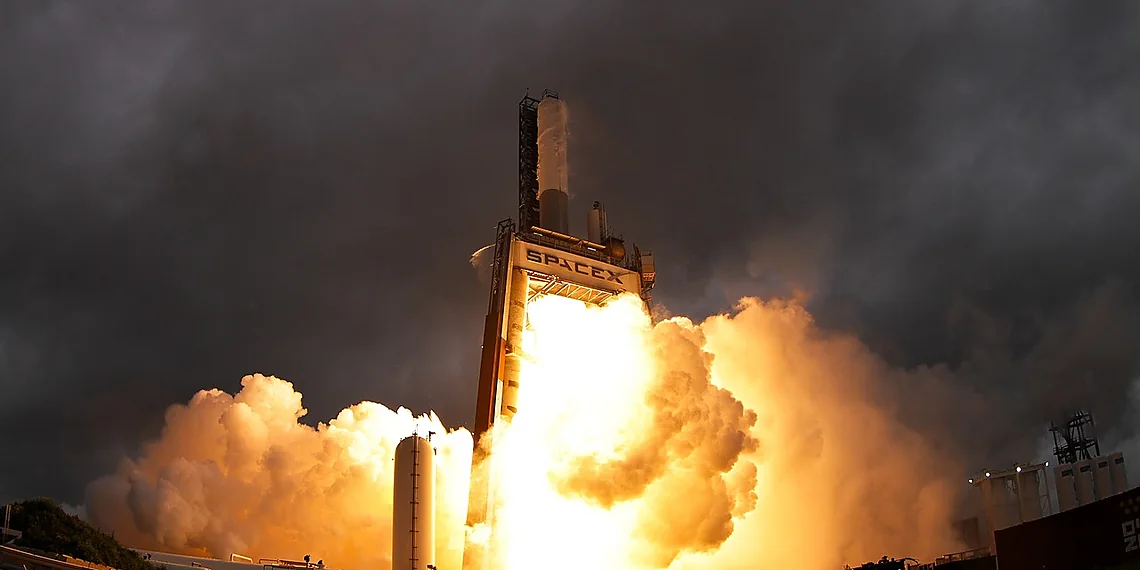

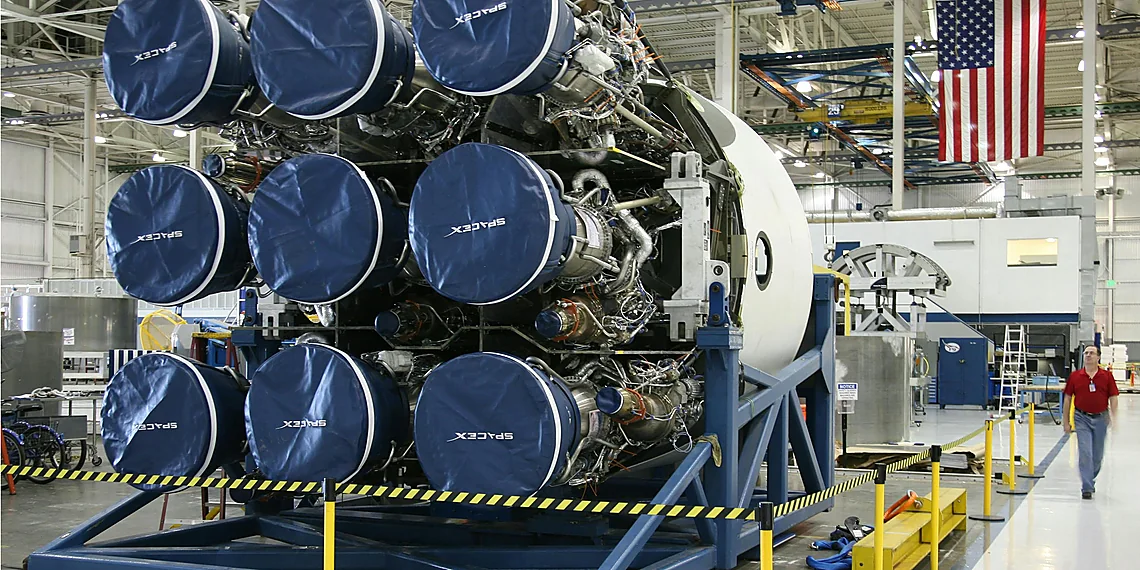
The race to explore beyond Earth just accelerated, and Florida is firmly in the driver’s seat. Recent regulatory approvals have cleared the way for a significant expansion of SpaceX’s operations at Kennedy Space Center, signaling a major leap forward for their ambitious interplanetary plans. For those less familiar, SpaceX Starship represents humanity’s next giant step – a fully reusable launch system designed to carry crew and cargo to the Moon, Mars, and beyond, fundamentally changing how we access space. This isn’t just about launching satellites; it’s about establishing sustainable bases on other worlds. The green light for these upgrades allows SpaceX to construct additional launch pads and support infrastructure vital for Starship’s increasingly frequent flight cadence. These new facilities will dramatically increase the potential launch rate, allowing for faster progress towards ambitious goals like lunar landings and eventual Martian settlements. This expansion underscores SpaceX’s commitment to pushing the boundaries of space exploration and solidifies Florida’s role as a central hub for this exciting future.
The approval itself unlocks substantial improvements to existing launch infrastructure, including modifications to pad foundations and construction of new cryogenic storage facilities. These enhancements are absolutely critical for handling the massive amounts of liquid oxygen and methane required to fuel SpaceX Starship’s powerful engines. It’s a complex logistical undertaking that demands significant groundwork, and this regulatory clearance removes a key hurdle in that process. The implications extend far beyond simply launching more rockets; it represents an investment in long-term space sustainability and accessibility.
The Green Light: What’s Approved?
The Department of the Air Force has officially given SpaceX permission to significantly expand its launch capabilities at Cape Canaveral Space Force Station, specifically at Space Launch Complex 37 (SLC-37). This approval marks a major step forward for SpaceX’s Starship program and allows them to begin construction on new launch pads designed to handle the massive Starship and Super Heavy rocket system. The green light isn’t just a general ‘yes’; it details precisely what SpaceX can build, where they can build it, and lays out some environmental considerations to ensure responsible development.
The approved plan allows SpaceX to construct two orbital launch pads – Pad 37A and Pad 37B – along with associated infrastructure. This includes modifications to existing roads and utilities to support the larger rocket system. Importantly, this approval isn’t for a completely new facility; SpaceX is leveraging an already established spaceport location. While details are still being finalized regarding timelines and specifics of construction, this signifies the project moving beyond preliminary planning stages.
Space Launch Complex 37 holds significant historical weight in space exploration. Originally built in the late 1950s, it served as a primary launch site for Atlas rockets during the early days of the US space program including critical missions like Project Mercury and Gemini. It’s fitting that SpaceX chose this location; reusing existing infrastructure is both cost-effective and reduces environmental impact compared to building from scratch. The legacy of human spaceflight at SLC-37 now extends to include Starship, showcasing a continuing commitment to pushing the boundaries of what’s possible.
The approval process involved extensive reviews, including environmental assessments, to ensure SpaceX’s plans align with regulations and minimize potential impact on the surrounding area. While this marks a significant milestone, ongoing collaboration between SpaceX and the Department of the Air Force will be crucial throughout the construction phase to address any unforeseen challenges and maintain responsible development practices as Starship prepares for its next chapter at Cape Canaveral.
Space Launch Complex 37: A Historic Site

Space Launch Complex 37 (SLC-37) at Cape Canaveral Space Force Station boasts a rich history in spaceflight, predating even the Apollo program. Originally built by the Air Force in the late 1950s, SLC-37 served as the launch site for numerous significant missions, including Gemini and Apollo flights – most notably Apollo 11’s departure to the moon in 1969. Later, it supported launches of Titan rockets carrying military payloads and scientific satellites. The complex consists of two pads, LC-37A and LC-37B; LC-37A saw the Apollo 11 launch while LC-37B hosted the Gemini 4 mission.
SpaceX’s decision to utilize SLC-37 for Starship launches is significant because it leverages existing infrastructure. Instead of building completely new facilities, SpaceX will be adapting and expanding upon the already established foundations and support systems. This approach reduces construction time, cost, and environmental impact compared to a ground-up build. The modifications include constructing orbital launch pads capable of supporting Super Heavy boosters, along with updated propellant storage and transportation capabilities tailored for Starship’s unique needs.
The Department of the Air Force’s recent approval allows SpaceX to proceed with these adaptations at SLC-37, representing a key step forward in Starship’s operational timeline. This reuse of historical spaceflight infrastructure demonstrates an efficient approach to expanding launch capacity and highlights the ongoing value of Cape Canaveral as a vital hub for American space exploration.
Starship’s Infrastructure Needs
SpaceX’s Starship program demands a level of infrastructure unlike anything previously seen at Cape Canaveral. While traditional rockets exert considerable force upon liftoff, the sheer scale and power of the Super Heavy booster paired with the Starship upper stage present entirely new engineering challenges. These aren’t just about reinforcing concrete; they require specialized systems designed to handle extreme heat, vibration, and thrust forces exceeding those of any existing launch vehicle. The newly approved Space Launch Complex 37 expansion is fundamentally about providing this bespoke environment for Starship’s increasingly frequent testing and eventual operational launches.
A key element driving the need for these new pads revolves around Super Heavy’s massive exhaust plume. Upon ignition, the booster generates an immense amount of heat that can rapidly damage launch pad surfaces. To mitigate this, SpaceX is incorporating a sophisticated water deluge system – essentially a giant sprinkler array – designed to flood the pad with thousands of gallons of water per second. This cooling effect prevents structural failure and protects critical equipment. Furthermore, the pads will feature reinforced foundations capable of absorbing the tremendous lateral forces generated during Super Heavy’s ascent, preventing catastrophic instability.
Beyond simple heat resistance, the launch pads are being engineered to handle significant acoustic pressure waves. The sonic boom created by Super Heavy’s engines can be intense, requiring specialized sound dampening and vibration isolation measures for both the pad itself and nearby sensitive instruments. The design also accounts for the booster’s potential to tilt significantly during liftoff – a necessary maneuver for Starship’s trajectory – demanding flexible arm structures and robust restraints that can accommodate this dynamic movement without compromising safety or structural integrity.
Ultimately, these expanded launch pads at Space Launch Complex 37 represent more than just concrete and steel; they are purpose-built environments meticulously designed to support the ambitious goals of SpaceX’s Starship program. The specialized systems integrated into their design – from the water deluge system to reinforced foundations and acoustic dampening – highlight the unique logistical and engineering complexities inherent in launching such a powerful and innovative vehicle, paving the way for a new era of space exploration.
Super Heavy Boosters & Launch Pad Design
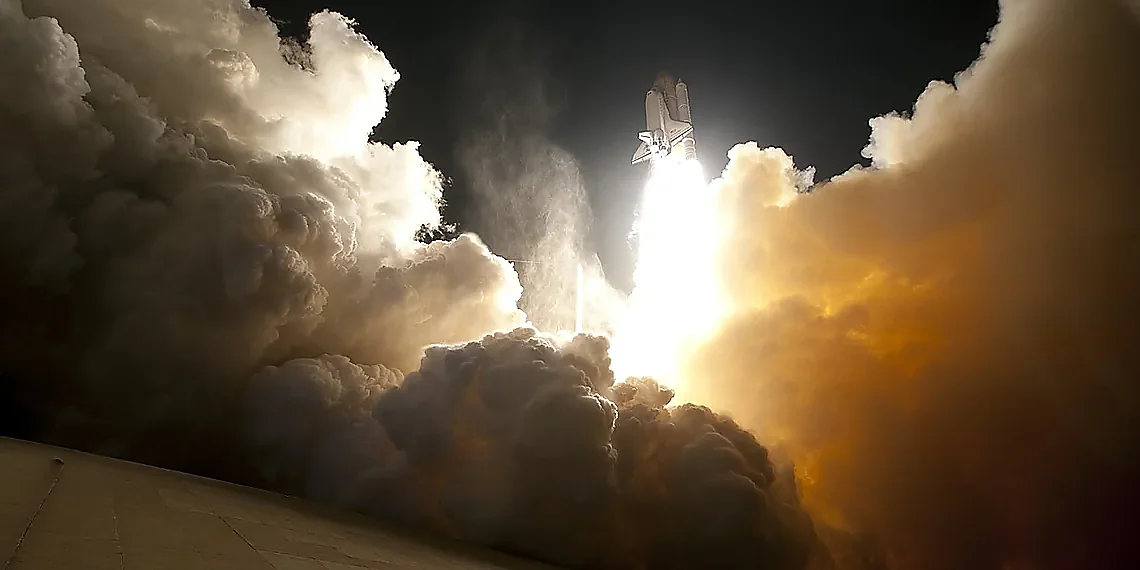
The sheer scale and power of SpaceX’s Starship and its Super Heavy booster present unprecedented challenges for launch pad design. Unlike traditional rockets, Super Heavy generates immense thrust – over 70 million pounds – creating extreme heat and vibration during liftoff. This necessitates a significantly reinforced launch structure capable of withstanding forces far greater than those experienced by previous vehicles like Falcon 9. The new pads at Space Launch Complex 37 are being designed to handle these demands, representing a substantial engineering undertaking.
A critical element of the launch pad design is a sophisticated water deluge system. This system isn’t just for extinguishing potential fires; it’s primarily intended to cool both the Super Heavy booster and the launch mount itself during ignition and ascent. The intense heat generated requires massive amounts of water – estimated to be hundreds of thousands of gallons per second – directed precisely onto critical areas. This cooling is essential to prevent structural damage and ensure a safe launch.
Beyond the deluge system, the pads incorporate reinforced concrete foundations, robust steel supports, and advanced vibration dampening technologies. The design also includes significant debris deflection systems to manage exhaust plumes and potential hardware failures during liftoff. SpaceX’s expansion at Space Launch Complex 37 demonstrates the ongoing evolution of space launch infrastructure required to support increasingly powerful and ambitious missions.
Impact on SpaceX’s Launch Schedule
The Department of the Air Force’s recent approval for SpaceX to build new launch pads at Space Launch Complex 37 (SLC-37) on Cape Canaveral represents a significant step forward for Starship operations, but its impact on the overall launch schedule is nuanced. While it’s tempting to view this as an immediate acceleration of plans, it’s more accurately a confirmation and bolstering of SpaceX’s existing projections rather than a radical timeline shift. Previously relying primarily on Launch Pad 39A at Kennedy Space Center, adding SLC-37 provides redundancy and dramatically increases launch cadence potential for the massive Starship system – a necessity given Elon Musk’s ambitious long-term goals.
Currently, SpaceX is aiming to utilize both pads concurrently, significantly increasing their operational throughput. However, construction of SLC-37 isn’t instantaneous; early estimates suggest it will take approximately 18-24 months for the new complex to be fully operational and capable of supporting Starship launches. This timeframe incorporates design finalization, environmental reviews (though largely completed), physical pad construction, integration of ground support equipment, and rigorous testing. While SpaceX is known for rapid iteration and accelerated construction processes, these timelines remain realistic given the scale and complexity of building infrastructure suitable for Super Heavy boosters.
Dependencies also play a crucial role in shaping Starship’s launch timeline. The availability of Starship vehicles themselves – currently undergoing iterative development and testing – remains a primary constraint. Pad readiness doesn’t guarantee launches; SpaceX needs both functional hardware *and* a fully operational pad to execute missions. Furthermore, ongoing regulatory approvals (FAA licenses, etc.) will continue to influence the pace of operations. While SLC-37 provides more flexibility, any delays in Starship development or licensing could still impact the overall launch schedule, potentially pushing back dates for planned lunar landings via Artemis and future Mars ambitions.
Ultimately, the approval of SLC-37 is a strategic investment in SpaceX’s long-term capabilities. It doesn’t signal an imminent flurry of launches but rather provides the foundation for increased operational tempo once Starship matures further and regulatory hurdles are cleared. Expect to see initial testing from SLC-37 within 12-18 months, with full operational capacity likely realized closer to the latter end of that range – aligning reasonably well with existing projections for expanded Starship mission cadence beyond 2025.
Timeline & Future Missions
The recent Department of the Air Force approval for SpaceX’s Space Launch Complex 37 (SLC-37) expansion at Cape Canaveral represents a significant step forward, but doesn’t necessarily signify an accelerated launch timeline. Construction is expected to take approximately 18-24 months, assuming relatively smooth progress and minimal unforeseen complications. This timeframe accounts for site preparation, pad construction capable of handling Starship’s Super Heavy booster, integration of propellant delivery systems, and rigorous testing – all critical elements for safely supporting orbital class launches.
This SLC-37 expansion will effectively double SpaceX’s launch capacity at the Cape, but its impact on specific missions is nuanced. While it provides a backup launch site to Kennedy Space Center’s Launch Complex 39 (LC-39), crucial milestones like the Artemis III lunar landing mission remain dependent on LC-39’s readiness and Starship’s overall development progress. The SLC-37 pads are anticipated to be operational around late 2025 or early 2026, potentially enabling more frequent Starship launches after that date; however, delays in Starship’s own flight hardware or software could still push back mission timelines.
Looking further ahead towards SpaceX’s Mars ambitions, the additional launch capacity at SLC-37 will become increasingly vital. Establishing a sustainable presence on Mars requires numerous large payloads and potentially hundreds of Starship launches over time. While not directly impacting initial Mars crewed missions (still heavily reliant on LC-39), this expansion provides critical infrastructure to support the scaling up needed for long-term Martian colonization efforts, contributing significantly to SpaceX’s overall strategic goals.
Beyond Cape Canaveral: SpaceX’s Expanding Footprint
While Starbase in Texas has become synonymous with SpaceX’s Starship development, the company’s ambitions extend far beyond the Lone Star State. Initially conceived as the primary launch site for Starship orbital test flights, Starbase faced significant environmental challenges and regulatory hurdles that have necessitated a more diversified approach to launch infrastructure. Other facilities like Vandenberg Space Force Base in California also play roles, primarily for suborbital testing and smaller launches. However, the recent green light from the Department of the Air Force to proceed with construction at Cape Canaveral Space Force Station’s Space Launch Complex 37 marks a significant expansion and demonstrates SpaceX’s intent to establish multiple, geographically distinct Starship launch sites.
The addition of Space Launch Complex 37 at Cape Canaveral isn’t just about redundancy; it’s a strategic move deeply intertwined with SpaceX’s broader goals for Starship. Having a facility on the Eastern Coast provides significantly better orbital inclinations for many missions, particularly those targeting equatorial orbits or requiring sun-synchronous trajectories – crucial for Earth observation satellites and other commercial endeavors. This reduces launch energy requirements and increases payload capacity compared to launches originating from Texas. Furthermore, Canaveral’s established infrastructure and proximity to existing government partnerships offer logistical advantages and streamline regulatory processes.
This multi-site strategy also has significant international implications. SpaceX’s ability to launch Starship vehicles from multiple locations enhances its responsiveness to customer needs worldwide. It reduces reliance on any single location, mitigating potential disruptions due to weather events or political instability. The Canaveral facility, in particular, strengthens SpaceX’s position as a key partner for both U.S. government agencies and international clients seeking reliable and versatile access to space – potentially impacting the competitive landscape of commercial launch services globally.
Ultimately, SpaceX’s expansion beyond Starbase underscores its commitment to building a robust and resilient space transportation system capable of supporting ambitious future missions, including lunar landings via Artemis and eventual Mars colonization. The Cape Canaveral development is a vital piece of that puzzle, representing not just an additional launch pad but a strategic investment in the long-term accessibility and affordability of space exploration.
The recent approval for SpaceX’s launch pad expansion at Kennedy Space Center marks a pivotal moment, signifying more than just concrete and steel; it represents accelerated timelines for ambitious space endeavors.
This development directly fuels the future of projects like SpaceX Starship, allowing for increased launch cadence and providing crucial redundancy in operational capabilities – vital as we move towards lunar and Martian missions.
SpaceX’s broader vision extends far beyond Earth orbit, aiming to establish a sustainable presence on other celestial bodies, and this expansion is an undeniable step toward realizing that grand ambition, demonstrating their commitment to pushing the boundaries of what’s possible.
The scale of investment and infrastructure being built underscores SpaceX’s dedication to revolutionizing space travel and making it more accessible than ever before, promising a future where interplanetary journeys become commonplace rather than distant dreams. We stand on the cusp of an exciting era in exploration, driven by innovation and bold engineering feats like those we’re seeing unfold at Canaveral now. The possibilities are truly limitless as SpaceX Starship continues its development and testing program, paving the way for a new age of discovery for humanity. Stay informed about these groundbreaking advancements – your journey into the future begins here. Check out our related articles to delve deeper into SpaceX’s technologies or follow their official channels for real-time updates on launch schedules and progress.
Continue reading on ByteTrending:
Discover more tech insights on ByteTrending ByteTrending.
Discover more from ByteTrending
Subscribe to get the latest posts sent to your email.