
Imagine a future where machines aren’t just built *with* resources, but are actually *made from* them – it sounds like science fiction, doesn’t it?
The world of robotics is constantly pushing boundaries, and bio-inspired designs have become increasingly popular, drawing inspiration from nature to create more adaptable and efficient systems.
We’ve seen robots mimicking jellyfish propulsion, insect locomotion, and even snake-like movement for incredible versatility, but a truly groundbreaking development is emerging: food waste robots.
These aren’t just robots *using* recycled materials; they are constructed from processed organic matter, representing a significant leap in sustainable engineering and circular economy principles – it’s a concept that challenges our conventional notions of what machines can be made of and how they function, offering exciting potential for reducing environmental impact while advancing robotic capabilities. The possibilities, and the questions surrounding their feasibility, are truly compelling.


The Problem with Traditional Robotics
Traditional robotics, while increasingly sophisticated, often overlooks a critical aspect of its own sustainability. The vast majority of robotic systems rely on materials like aluminum, steel, various plastics, and composite materials for their construction – components that carry significant environmental baggage. Mining the raw resources needed to produce these materials is inherently disruptive, leading to habitat destruction and resource depletion. Furthermore, the manufacturing processes themselves are energy-intensive and frequently generate substantial pollution.
The circularity gap in robotics is particularly concerning. Unlike some consumer electronics designed with recyclability in mind (though often falling short), most robotic components are complex assemblies of diverse materials that are difficult and costly to separate for recycling. This leads to a large percentage ending up in landfills or incinerators, contributing to waste streams and further exacerbating environmental problems. The lifespan of many robots is also relatively short due to rapid technological advancements, adding to the volume of discarded hardware.
Even ‘bioinspired’ robotics – those drawing inspiration from nature’s designs – typically perpetuate this unsustainable cycle. While mimicking natural forms can lead to ingenious solutions in terms of movement and efficiency, these innovations are frequently realized using conventional, non-biological materials. This disconnect between the biological inspiration and the material reality undermines the potential for truly sustainable robotic design. The reliance on plastics and metals ultimately limits the overall environmental benefit.
Material Dependence & Waste
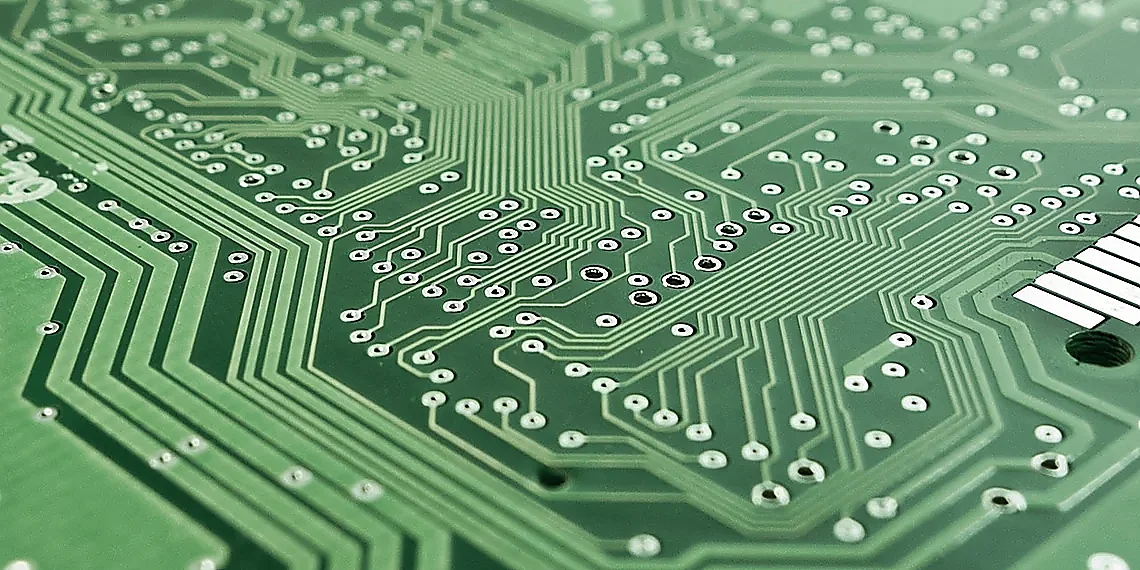
The vast majority of robots, even those designed for sustainability initiatives like food waste reduction, are constructed from conventional materials like metals (aluminum, steel), plastics (polyethylene, polypropylene), and composite materials (carbon fiber reinforced polymers). While these offer desirable properties such as strength and durability, their production carries significant environmental costs. Mining operations to extract raw metals often lead to habitat destruction, water pollution, and greenhouse gas emissions. Plastic manufacturing relies heavily on fossil fuels and contributes to plastic waste accumulation.
The creation of composite materials is particularly resource-intensive. Carbon fiber, for example, requires energy-heavy processes to produce, contributing to a substantial carbon footprint. Furthermore, the manufacturing of all these components involves complex supply chains with associated transportation impacts. The end-of-life scenario for robotic components presents another challenge; many plastics are not easily recyclable, and metal recycling rates can vary widely depending on alloy composition and regional infrastructure.
A critical aspect highlighting this unsustainability is the ‘circularity gap’ within robotics. Currently, very little of the materials used to build robots are recovered and reused in new robotic systems or other applications. This linear ‘take-make-dispose’ model places a continuous strain on natural resources and generates substantial waste streams, underscoring the need for innovative approaches like utilizing food waste as material feedstock – as demonstrated by recent research exploring grippers made from langoustine tails.
Bio-Hybrid Robotics: A New Approach
While many robotics projects draw inspiration from nature – think gecko-inspired adhesives or snake-like robots – most remain firmly rooted in traditional materials like metal, plastic, and composites. A new wave of research, however, is pushing the boundaries with a radically different approach: bio-hybrid robotics. This isn’t simply mimicking biological forms; it involves directly incorporating *actual* biological materials into robotic structures, blurring the line between living systems and engineered machines.
The key distinction lies in the integration level. Bio-inspired robots typically replicate function – a robot might move like a cheetah, but is built from synthetic components. Bio-hybrid robotics goes further, utilizing the inherent properties of biological matter itself. This offers unique advantages; natural materials often possess remarkable strength-to-weight ratios, flexibility, and even self-healing capabilities that are difficult to reproduce synthetically.
A compelling example comes from researchers at EPFL’s CREATE Lab, who have demonstrated a robotic gripper constructed using langoustine tails. These discarded crustacean appendages boast impressive tensile strength and natural elasticity – traits perfectly suited for grasping and manipulating objects. The process involves carefully cleaning and preparing the tails, then integrating them into a framework alongside actuators and sensors to create a functional gripping mechanism. This effectively transforms food waste into a valuable robotic component.
The use of langoustine tails highlights the potential for bio-hybrid robotics to contribute to both technological innovation and environmental sustainability. By repurposing organic waste materials, these designs not only reduce reliance on traditional manufacturing processes but also offer entirely new avenues for creating robots with unique capabilities – all while addressing pressing concerns about resource utilization and minimizing ecological impact.
Langoustine Tails to Grippers

Traditional bio-inspired robots often mimic natural forms or movements using synthetic materials like plastics and metals, but a burgeoning field called bio-hybrid robotics takes a different approach: it incorporates actual biological components into robotic systems. Researchers at the CREATE Lab EPFL are pioneering this area with an innovative project utilizing discarded langoustine tails – a significant source of food waste – to construct robotic grippers. This represents a shift from simply drawing inspiration *from* nature to actively using natural materials *as* integral parts of the robot’s structure.
Langoustine tails possess a remarkable combination of properties that make them ideal for gripper construction: they are surprisingly strong due to their chitinous composition, yet also exhibit considerable flexibility thanks to their layered and fibrous internal structure. This allows the grippers to conform to various shapes and apply controlled force without crushing delicate objects. The team discovered these inherent advantages through detailed material analysis and computational modeling.
The process of creating these bio-hybrid grippers involves several steps. First, discarded langoustine tails are carefully cleaned and prepared, often involving a gentle drying and sometimes partial chemical treatment to enhance their durability and bonding capabilities. These treated tail segments are then strategically arranged and bonded together – using biocompatible adhesives – according to designs generated through computational optimization. The resulting structure is lightweight, biodegradable, and capable of performing precise gripping tasks.
Benefits & Challenges
The burgeoning field of food waste robotics presents a compelling vision for a more sustainable future, but it’s not without significant hurdles. One of the most immediate benefits lies in drastically reducing our reliance on traditional manufacturing materials like plastics and metals – resources often sourced unsustainably. Imagine robotic components, like grippers or actuators, being crafted from discarded crustacean shells, fruit peels, or vegetable scraps! This approach directly addresses waste streams while simultaneously lessening the environmental impact associated with resource extraction and processing. The recent demonstration of a robotic gripper built from langoustine tails is a powerful example; it showcases how materials previously destined for landfills can be repurposed into functional, high-tech components.
However, utilizing food waste as a primary building material introduces inherent performance trade-offs that need careful consideration. While biodegradable and offering the potential for closed-loop systems (where robots decompose naturally at their end of life), these bio-based materials often lack the strength, durability, and lifespan of conventional alternatives. A gripper made from langoustine tails, while innovative, will likely require more frequent replacement than one fabricated from steel or aluminum. The challenge lies in optimizing material processing techniques – potentially combining food waste with other binding agents or reinforcing structures – to achieve a balance between sustainability goals and the practical demands of robotic operation.
Scalability also represents a major obstacle. While creating a single gripper from langoustine tails is an impressive proof-of-concept, scaling up production to manufacture entire robots presents logistical complexities. Consistent quality control becomes paramount; ensuring that each batch of food waste offers uniform properties for reliable robot construction requires sophisticated sorting and processing infrastructure. Furthermore, the availability and seasonality of certain food wastes could impact supply chain stability – a factor that must be addressed before widespread adoption can become feasible.
Beyond technical challenges, ethical considerations also warrant attention. Concerns around potential job displacement in traditional manufacturing sectors, equitable access to this technology, and responsible sourcing of food waste (avoiding unintended consequences on food security) are all important aspects of the conversation. Ultimately, the successful integration of food waste robots into our future will depend not only on technological advancements but also on a holistic assessment of their societal and environmental impact.
Sustainability & Performance Trade-offs
The burgeoning field of ‘food waste robots’ presents a compelling pathway towards reduced reliance on non-renewable resources. Traditional robotic components are largely manufactured using plastics, metals, and composite materials derived from fossil fuels. By utilizing discarded organic matter – like the langoustine tails demonstrated in the CREATE Lab’s experimental manipulator – we can effectively sequester carbon already absorbed from the atmosphere, minimizing our environmental footprint and lessening demand for resource-intensive extraction processes.
However, incorporating food waste into robotics isn’t without its performance trade-offs. While materials derived from organic sources can offer unique properties like flexibility or shock absorption (as observed with the langoustine chitin), they often lack the strength, rigidity, and longevity of conventional materials. The lifespan of a robot built primarily from food waste components is likely to be shorter, requiring more frequent replacement and potentially negating some sustainability gains if not managed responsibly.
Crucially, the biodegradability of food-waste robots also introduces complexities regarding end-of-life management. While compostability seems ideal, ensuring proper disposal conditions (temperature, humidity) necessary for complete degradation can be challenging at scale. Furthermore, any additives or coatings used to improve functionality could hinder biodegradability and introduce new environmental concerns. Future research must prioritize truly biodegradable formulations and robust recycling/composting infrastructure to fully realize the sustainability promise of food waste robotics.
The Future of Food Waste Robotics
The demonstration of a robotic gripper crafted from langoustine tails is more than just an intriguing novelty; it’s a glimpse into a potential future where the line between waste and resource blurs significantly within robotics. Imagine a world not only minimizing food waste but actively *utilizing* it to construct functional machines. While current applications are largely experimental, the possibilities for food waste robots extend far beyond simply mimicking natural forms with discarded materials. We’re talking about potentially creating bespoke robotic solutions tailored to specific tasks – from sorting and processing agricultural byproducts to even constructing temporary infrastructure in disaster relief scenarios, all built using locally sourced organic components.
Looking ahead, advancements in materials science will be crucial for realizing this vision. While langoustine tails offer a compelling starting point due to their inherent structural properties, researchers are likely to explore an array of other food waste streams. Seaweed, rich in polysaccharides and minerals, could provide robust building blocks; fruit peels, often discarded despite containing valuable fibers and pigments, might contribute to flexible or even color-changing robotic components. Furthermore, the development of bio-compatible actuation methods – perhaps leveraging microbial processes or enzymatic reactions – will be essential for imbuing these food waste robots with movement and functionality beyond simple gripping.
The broader implications are profound. A shift towards bio-hybrid robotics using food waste could significantly reduce our reliance on traditional manufacturing materials, lessening the environmental impact of robotic production itself. It also opens up exciting avenues in sustainable design, forcing us to reconsider the lifecycle of products and embrace circular economy principles. However, ethical considerations surrounding the use of biological materials – including potential contamination risks, biodegradability timelines, and even philosophical questions about ‘ownership’ of organic matter – will need careful examination as this field matures.
Ultimately, the future of food waste robots isn’t just about clever engineering; it’s about redefining our relationship with resources and challenging conventional notions of what a robot can be. The EPFL CREATE Lab’s work serves as an inspiring catalyst, prompting us to imagine a world where discarded organic matter becomes a valuable building block for a more sustainable and innovative technological future.
Beyond Langoustine: Expanding Possibilities
The initial success of bio-hybrid robots utilizing langoustine tails highlights a wider potential for leveraging diverse food waste streams. While crustacean shells offer unique structural properties, other organic byproducts like seaweed, fruit peels (orange, banana), and even spent coffee grounds could also serve as valuable building blocks. Seaweed’s inherent flexibility and tensile strength makes it particularly attractive, while fruit peels possess complex carbohydrate structures that can be manipulated for actuation or binding. Research into these alternative materials is crucial to move beyond niche applications and establish more robust supply chains for bio-hybrid robot construction.
Future research will need to focus on several key areas to realize the full potential of food waste robots. Material durability remains a significant challenge, as organic components are inherently susceptible to degradation from moisture, temperature fluctuations, and microbial activity. Developing methods to crosslink or modify these materials – perhaps through enzymatic treatments or bio-mineralization – could significantly extend their lifespan. Furthermore, exploring novel actuation mechanisms beyond simple muscle contraction, such as utilizing piezoelectric properties of modified fruit tissue or incorporating conductive polymers derived from food waste, will enhance robot functionality and complexity.
Ethical considerations surrounding the use of biological materials in robotics are also gaining importance. Questions around resource allocation (prioritizing food for human consumption versus robotic applications), potential environmental impacts of large-scale material processing, and the responsible disposal of bio-hybrid robots at the end of their lifespan need careful evaluation. A lifecycle assessment approach – from farm to landfill – will be essential as this field matures to ensure that these innovative machines truly contribute to a more sustainable future.
The journey through advancements in food waste management has revealed a landscape ripe for innovation, and it’s clear that technology holds immense promise for tackling this global challenge. We’ve seen how precision sorting, AI-powered analytics, and increasingly sophisticated automation are moving beyond simple composting to unlock valuable resources from what was once destined for landfills. The potential impact on reducing greenhouse gas emissions, conserving precious water supplies, and even creating new revenue streams is truly transformative. Imagine a future where food waste robots efficiently process organic material, diverting it from overflowing landfills and converting it into usable energy or fertilizer—that vision feels increasingly within reach thanks to these ongoing developments. The combination of robotics and sustainable practices isn’t just about efficiency; it’s about fundamentally rethinking our relationship with the resources we consume. Ultimately, a proactive approach to food waste reduction benefits everyone, from farmers and retailers to consumers and the planet as a whole. This progress highlights how interdisciplinary collaboration – blending engineering, biology, and environmental science – can yield remarkable solutions for pressing global issues. We’re standing at an exciting inflection point where technology empowers us to build a more resilient and responsible food system, one that values every resource and minimizes our environmental footprint. It’s time to move beyond passive consumption and embrace the potential of these innovative technologies to shape a brighter future. To delve deeper into this fascinating intersection of biology and engineering, we encourage you to explore the burgeoning field of bio-hybrid robotics – consider how its principles might apply to other areas of your life and contribute to solutions in your own community.
Explore resources on bio-hybrid robotics to understand its broader implications for sustainable technology and environmental stewardship. Consider how these advancements could influence future innovations you witness or even participate in.
Continue reading on ByteTrending:
Discover more tech insights on ByteTrending ByteTrending.
Discover more from ByteTrending
Subscribe to get the latest posts sent to your email.