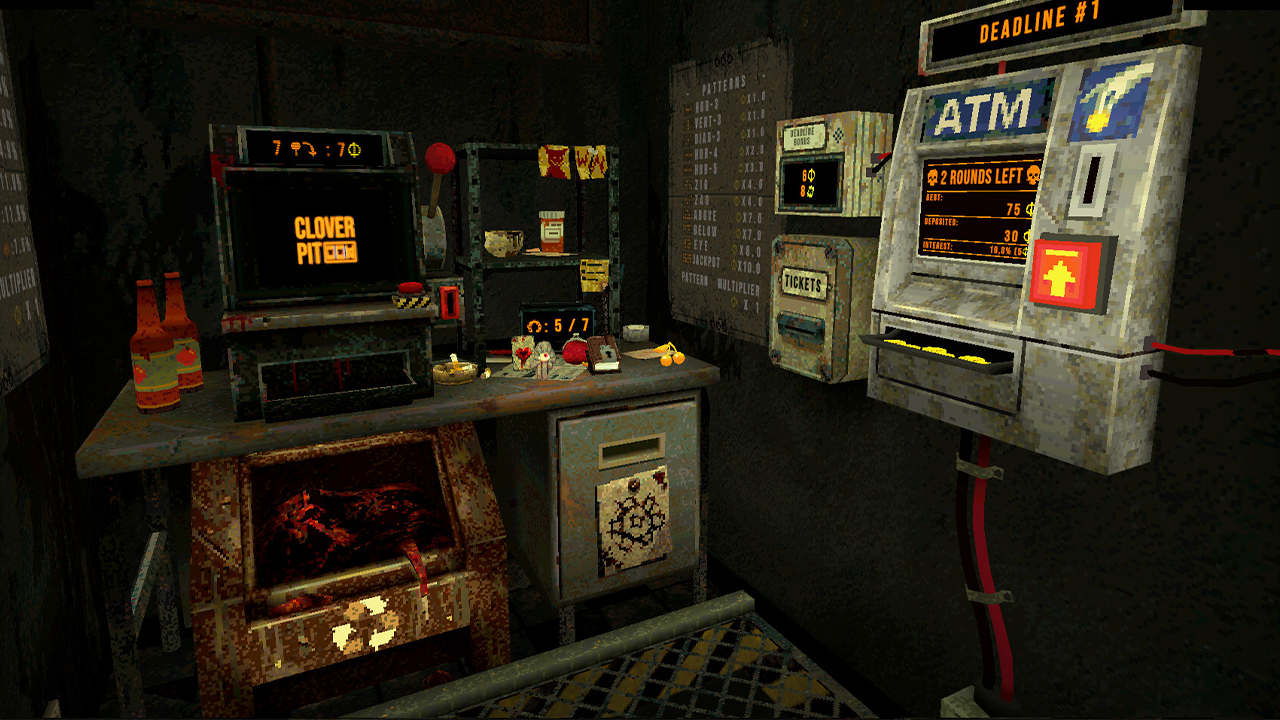

The indie gaming scene continues to surprise and delight, and CloverPit is a prime example of this phenomenon. Developed by a small team at PixelHive Studios, this engaging rogue-lite has achieved remarkable success, selling over 500,000 units within its first eight days on the market. This impressive feat highlights the growing appetite for fresh and innovative gameplay experiences, particularly those offered outside of established AAA titles.
What is CloverPit?
CloverPit is a fast-paced, top-down rogue-lite where players navigate procedurally generated dungeons filled with challenging enemies and rewarding loot. The game’s core loop revolves around collecting ‘clovers,’ which are used to unlock permanent upgrades and customize your character’s abilities. Furthermore, the pixel art style evokes classic 16-bit games while incorporating modern design principles. Players control a customizable avatar, battling through hordes of creatures in an effort to reach the bottom of the CloverPit—a seemingly endless abyss.
Key Features Driving Success
- Procedural Generation: Each playthrough is unique thanks to dynamically generated levels and enemy placements. Consequently, players always encounter a fresh challenge.
- Character Customization: Players can tailor their character’s build with diverse upgrades and abilities, allowing for varied playstyles; therefore, replayability is significantly enhanced.
- Charming Pixel Art Style: The game’s visuals are appealing and nostalgic, drawing players in with a familiar yet refreshed aesthetic. In addition, this style contributes to the overall charm of CloverPit.
- Addictive Gameplay Loop: The combination of challenging combat and rewarding progression keeps players engaged for hours, as they continuously strive to improve their skills and conquer new challenges.
The Sales Surge: Analyzing the Numbers
Selling 500,000 units in eight days is a monumental achievement for any game, but especially so for an indie title. PixelHive Studios attributes this success to several factors, including strong word-of-mouth marketing, positive reviews from both critics and players, and strategic placement on digital storefronts like Steam and the Nintendo eShop. Notably, the initial launch price of $19.99 also proved to be a key factor, offering accessibility while still reflecting the value of the experience.
While specific sales breakdowns per platform haven’t been released, PixelHive has confirmed that Steam accounts for the majority of sales, followed by the Nintendo eShop. As a result, developers considering similar pricing strategies may find it beneficial to analyze these trends further.


Lessons for Indie Developers
CloverPit’s rapid success offers valuable lessons for aspiring indie developers. First and foremost, a focus on core gameplay is paramount; a tight and addictive gameplay loop is essential to keeping players engaged. Furthermore, active engagement with the player community can significantly impact a game’s reception, as feedback helps refine and improve the experience. Similarly, strategic marketing is essential—reaching the right audience through targeted efforts is crucial for visibility. On the other hand, don’t underestimate the power of pixel art; a well-executed style can create a distinctive and memorable aesthetic that resonates with players.
Marketing Strategies for Indie Success
The success of CloverPit wasn’t solely due to the game’s quality. Instead, PixelHive implemented a smart marketing strategy including early access previews and community engagement. For example, leveraging social media platforms effectively helped build hype and anticipation before launch.
The Importance of Community Engagement
Beyond simply responding to comments, actively incorporating player feedback into the game’s development can foster a strong sense of community and loyalty. Moreover, this collaborative approach often results in improvements that enhance the overall gaming experience for everyone involved. The team at PixelHive are reportedly working on post-launch content, including new characters, enemies, and biomes to expand the CloverPit experience further.
Conclusion
CloverPit’s phenomenal sales numbers demonstrate that there’s still a huge opportunity for indie developers to thrive. By focusing on innovative gameplay, engaging visuals, and strategic marketing, small teams can create games that resonate with players worldwide. Therefore, the CloverPit phenomenon serves as an inspiration to aspiring game makers everywhere.
Source: Read the original article here.
Discover more tech insights on ByteTrending.
Discover more from ByteTrending
Subscribe to get the latest posts sent to your email.