
The Expanding Frontier of Robotics: Insights from Frances Zhu
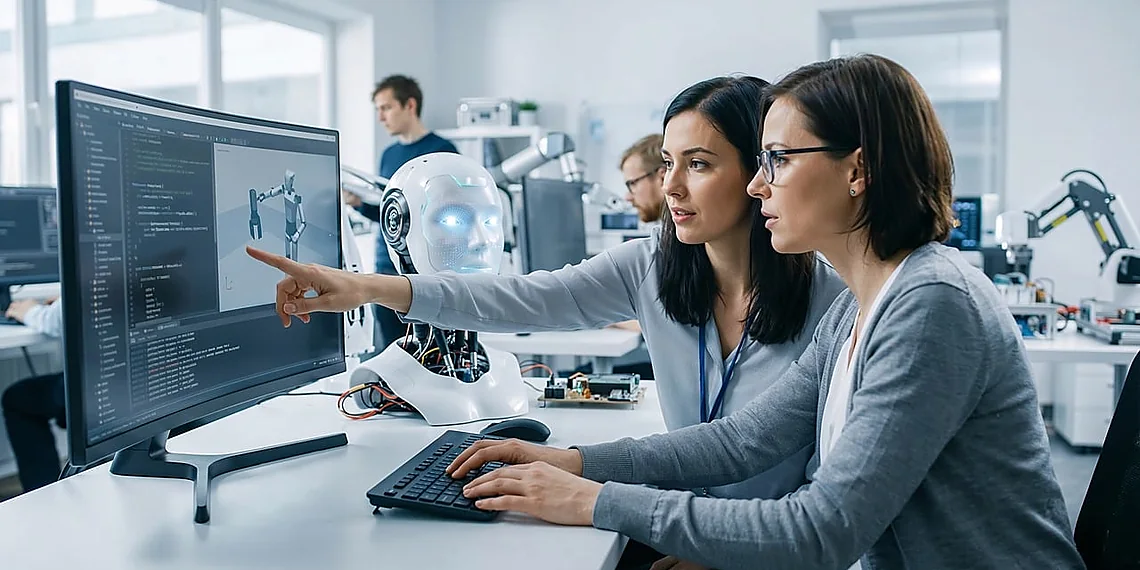
The field of robotics is experiencing unprecedented growth, driven by advancements in artificial intelligence and a growing need for automation across various industries. Recently, Claire had the opportunity to speak with Frances Zhu, an Assistant Professor at the Colorado School of Mines, offering valuable insights into the future of space exploration through intelligent robotic systems.
Frances Zhu’s Background and Expertise
Frances Zhu’s career trajectory demonstrates a remarkable dedication to both engineering and planetary science. She earned her Ph.D. in Aerospace Engineering from Cornell University and has held prestigious positions at NASA and the Hawaii Institute of Geophysics and Planetology. Her expertise lies primarily in machine learning, dynamics, systems engineering, and controls—crucial elements for developing autonomous robots capable of operating in challenging extraterrestrial environments. Furthermore, she now holds a position as Assistant Professor at the Colorado School of Mines, contributing to both the Robotics program and the Space Resources Program.
Machine Learning’s Role in Autonomous Navigation
A cornerstone of Frances Zhu’s work is leveraging machine learning to enhance robotic autonomy. Traditionally, robots have required extensive programming for even simple tasks. However, with advancements in machine learning, particularly deep learning, robots can now learn from data and adapt to unforeseen circumstances. For example, a Martian rover could use machine learning algorithms to identify and navigate around obstacles without pre-programmed instructions, thereby increasing its operational efficiency and safety. In addition, this allows for faster deployment of robotics solutions in new environments.
Systems Engineering for Space Missions
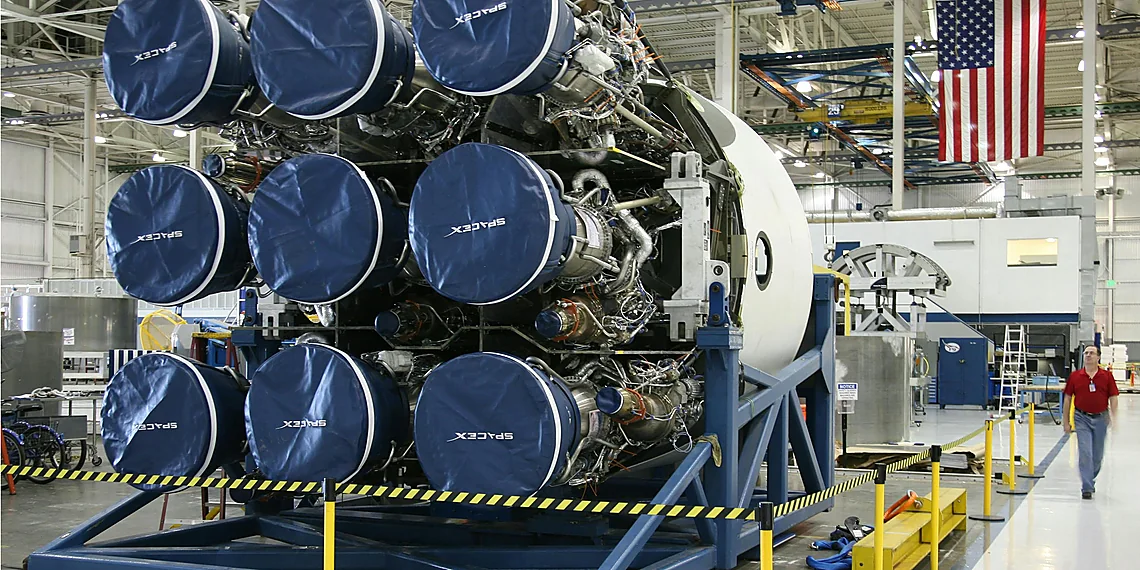
Successfully deploying robots in space requires a holistic approach known as systems engineering. This involves considering every aspect of the mission, from power requirements and communication protocols to environmental factors like radiation exposure. Frances Zhu’s expertise in systems engineering ensures that robotic spacecraft are designed to withstand the harsh realities of space while maximizing their scientific output. Notably, she emphasizes the importance of redundancy – having backup systems in case of failure – as a critical element of mission reliability.


The Future of Space Robotics: Resource Utilization and Beyond
Looking ahead, Frances Zhu’s work at the Colorado School of Mines focuses on developing robotic systems for resource utilization. This exciting frontier involves robots not only exploring other planets but also extracting valuable resources like water ice from asteroids or regolith from Mars. This could significantly reduce the cost and complexity of future space missions by providing in-situ resources instead of relying solely on Earth-based supplies. The integration of robotics into resource extraction presents numerous engineering challenges, requiring innovative solutions for excavation, processing, and manufacturing.
Challenges in Planetary Robotics
Despite the tremendous potential, developing robots for space exploration poses significant challenges. Communication delays between Earth and distant planets can be substantial – sometimes exceeding several minutes – making real-time control impossible. Therefore, these robots must possess a high degree of autonomy to make decisions independently. Furthermore, extreme temperatures, radiation exposure, and limited power resources require robust and energy-efficient designs. As a result, researchers like Frances Zhu are continually innovating to overcome these obstacles and push the boundaries of what’s possible with robotics.
The Long-Term Vision
Ultimately, Frances Zhu envisions a future where advanced robotic systems play an integral role in humanity’s expansion beyond Earth. From prospecting for resources to constructing habitats on other planets, these intelligent machines will be our tireless pioneers. Moreover, the knowledge and technologies developed for space robotics have broader applications here on Earth, driving innovation in fields like manufacturing, healthcare, and disaster response. Therefore, continued investment in this area is essential for both scientific discovery and technological advancement.
In conclusion, Frances Zhu’s work exemplifies the transformative power of intelligent robotic systems in space exploration, promising a future filled with exciting discoveries and unprecedented opportunities. Her expertise highlights the critical role that robotics will play in shaping our destiny among the stars.
Source: Read the original article here.
Discover more tech insights on ByteTrending.
Discover more from ByteTrending
Subscribe to get the latest posts sent to your email.