
A New Era of Image Creation
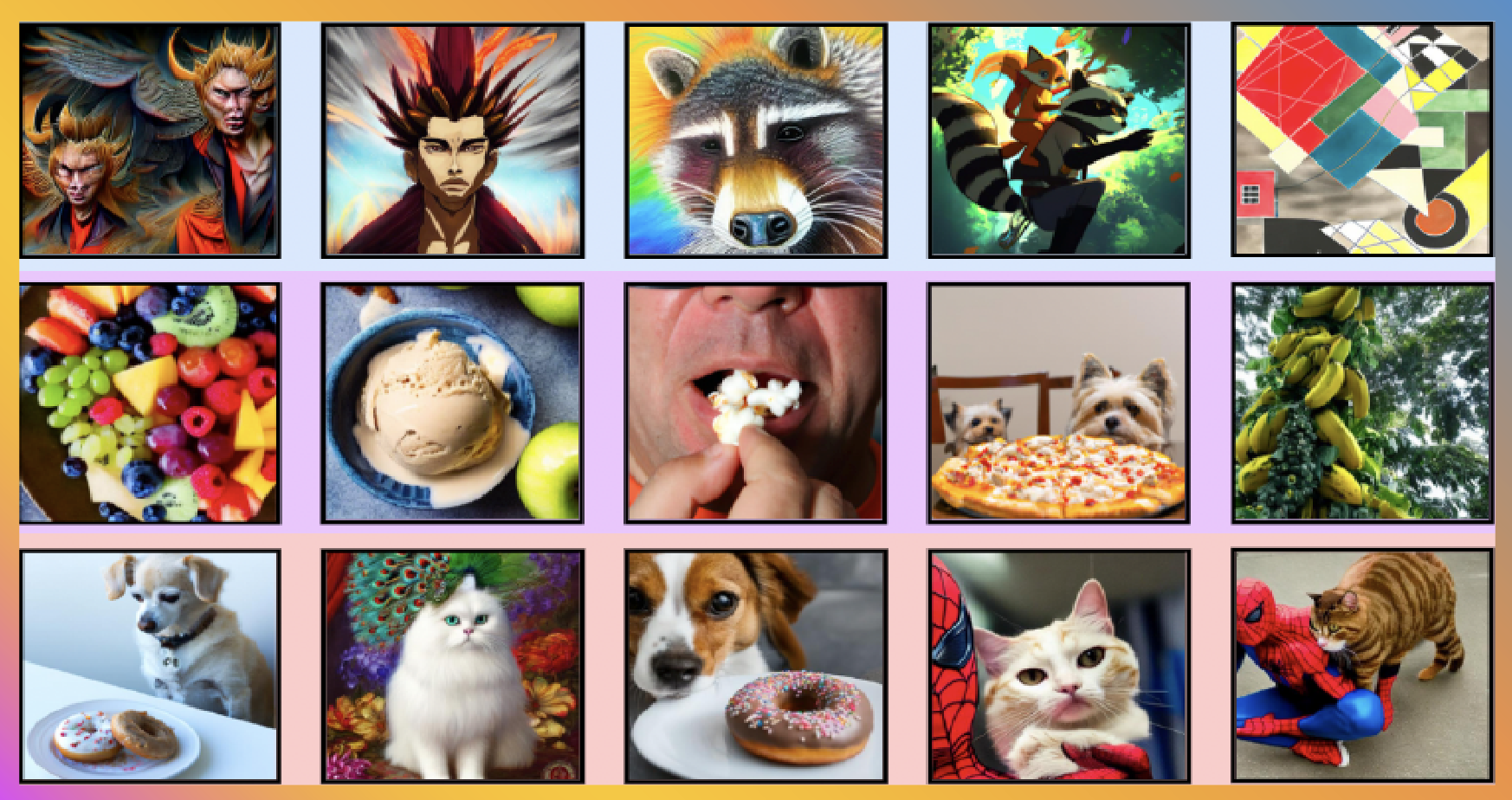
Google Research recently unveiled a fascinating new approach to image generation, moving beyond traditional diffusion models. This isn’t just about creating pretty pictures; it’s about fostering collaboration between humans and AI, empowering artists and designers in unprecedented ways. The core concept revolves around allowing users to directly guide the generative process with more nuanced controls than previously available.
Understanding Diffusion Models & Their Limitations
Before diving into Google’s innovation, let’s briefly recap diffusion models. These models work by gradually adding noise to an image until it becomes pure static. Then, they learn to reverse this process – denoising the static back into a coherent image based on text prompts or initial conditions. While incredibly powerful, diffusion models can be challenging to control precisely. Minor changes in the prompt often lead to unpredictable results, hindering artistic intent.
The Problem with Traditional Prompting
Traditional prompting relies heavily on natural language descriptions, which are inherently ambiguous. Even slight variations in wording can drastically alter the generated image, making it difficult for users to achieve a specific aesthetic or composition. Artists and designers often require finer-grained control – the ability to adjust individual elements within an image rather than relying solely on broad textual instructions.
Google’s Collaborative Approach: Introducing Lumière
Google’s solution, dubbed Lumière (a nod to early photography), introduces a collaborative framework where users can iteratively refine images through a series of focused edits. It moves away from a single prompt and embraces an interactive workflow.
How Lumière Works: Focused Edits
- Initial Image Generation: The process begins with generating an initial image based on a preliminary prompt, similar to existing diffusion models.
- Focused Editing Masks: Users then define “edit masks” – areas of the image they want to modify. These masks can be drawn manually or generated using segmentation techniques.
- Refinement Prompts: For each masked area, users provide specific refinement prompts guiding the AI’s adjustments within that region. For example, instead of ‘make the sky blue’, a user might specify ‘adjust hue in this area to make it more vibrant blue’.
- Iterative Refinement: This process is repeated iteratively; users refine masks and prompts until the desired outcome is achieved. Furthermore, this iterative approach allows for fine-tuning of the generated image generation results.
Benefits of Lumière
- Enhanced Control: Users gain granular control over image composition and aesthetics.
- Increased Precision: The iterative refinement process leads to more predictable and accurate results. On the other hand, this precision significantly enhances the quality of the resulting images.
- Creative Collaboration: Fosters a collaborative relationship between the user and AI, allowing for exploration of novel creative directions. Notably, Lumière’s design supports effective image generation collaboration.
Looking Ahead: The Future of Generative AI
Lumière represents a significant step towards more intuitive and controllable generative AI tools. By shifting from broad prompts to focused edits, Google is empowering users to unlock their creativity and overcome the limitations of traditional diffusion models. As this technology evolves, we can expect even tighter integration with creative workflows and potentially new forms of artistic expression. The future of image generation looks bright, thanks to innovations like Lumière.
Meta Description: Discover Google’s Lumière – a revolutionary collaborative image generation approach that empowers artists & designers with granular control. Learn how it works!
Source: Read the original article here.
Discover more tech insights on ByteTrending.
Discover more from ByteTrending
Subscribe to get the latest posts sent to your email.