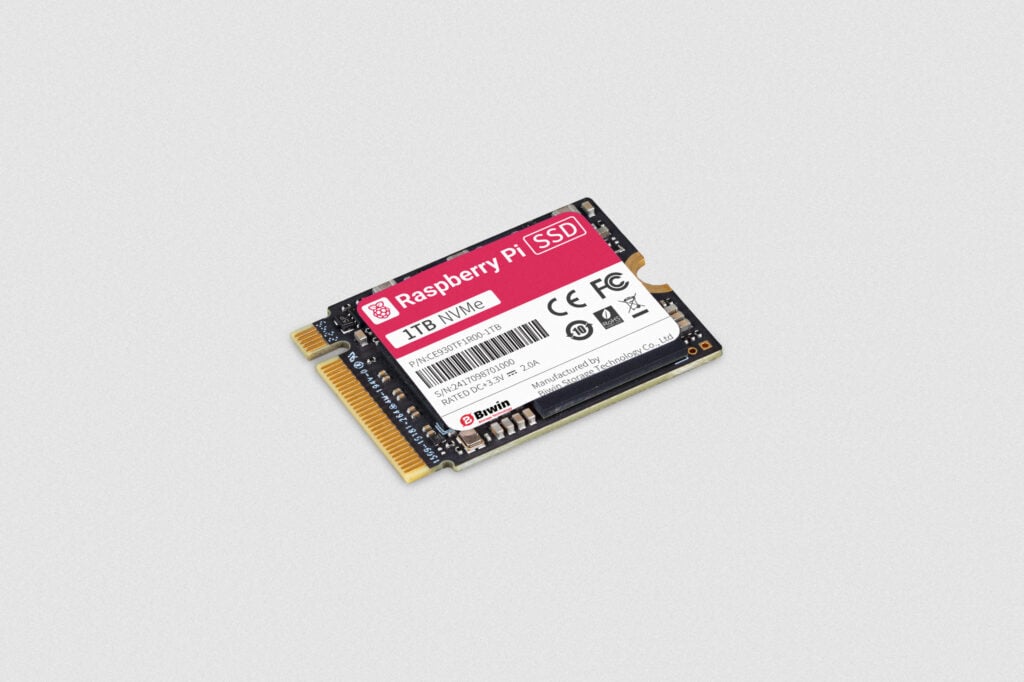

Imagine how much data a terabyte can store—it’s quite substantial! For instance, you could save approximately 250,000 photos, 200,000 songs (remember when MP3 players held just 40? The repetition was intense!), 250 HD movies, or 20–30 AAA games. To enhance your experience consuming this media, we’re excited to offer you the opportunity to purchase a high-performance 1TB SSD for your Raspberry Pi.
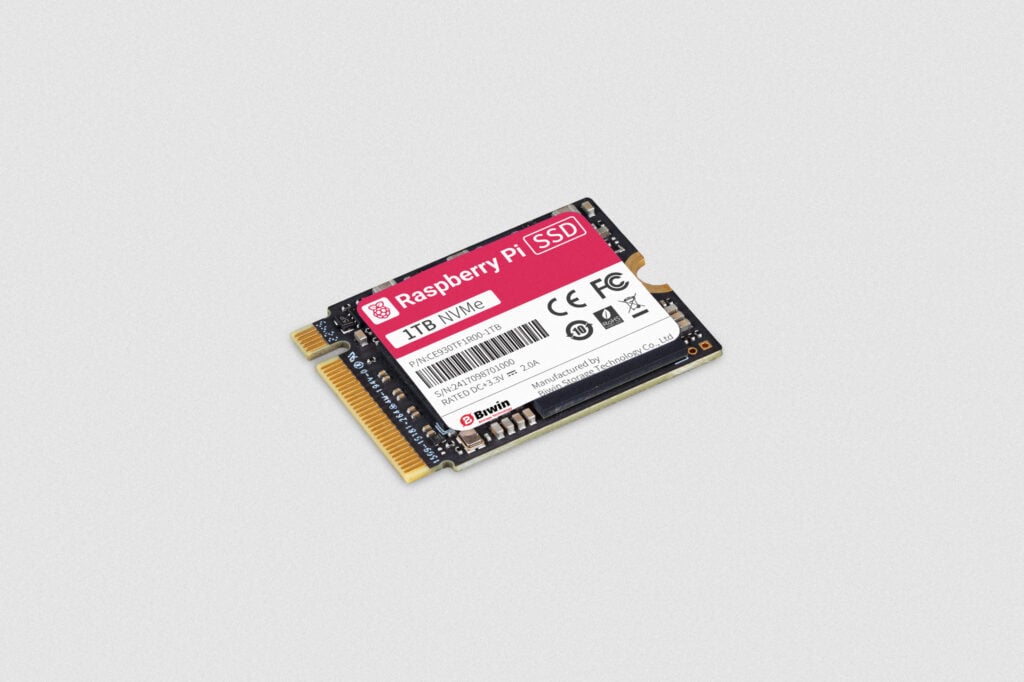
A Raspberry Pi SSD unlocks remarkable performance for I/O intensive applications on Raspberry Pi 5 and other devices, notably enabling super-fast startup when booting from an SSD. It’s a reliable and responsive storage solution, compliant with PCIe Gen 3 standards, ensuring swift data transfer rates. These are available in various capacities: 256GB, 512GB, or the generous 1TB option.
Understanding the Benefits of an SSD for Raspberry Pi
While traditional microSD cards have served their purpose, switching to an SSD offers significant advantages. Furthermore, the increased speed dramatically improves overall system responsiveness. For example, tasks like compiling code, running databases, and handling large files become considerably faster. Consequently, you’ll notice a more fluid and efficient user experience.
Compatibility: Adapters for Seamless Integration
To utilize our SSDs with your Raspberry Pi 5 or similar devices, you’ll need an M.2 adapter, such as the Raspberry Pi M.2 HAT+. This adapter bridges the connection between the SSD and your Raspberry Pi, allowing for seamless integration and unlocking its full potential. Therefore, ensure you have the appropriate hardware to maximize your performance gains.

Choosing the Right Capacity
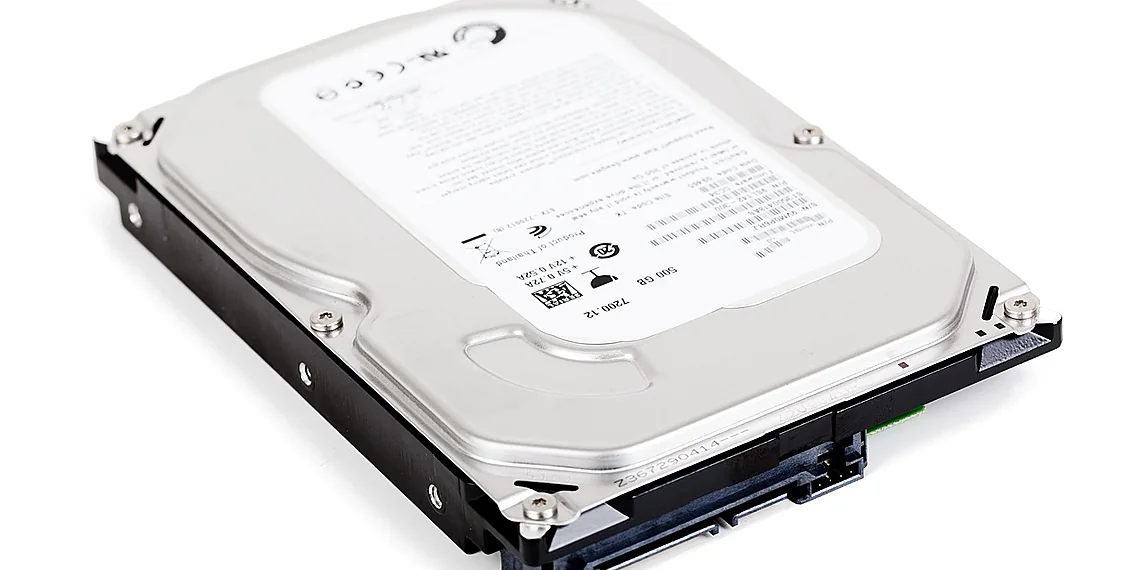
Selecting the right capacity of SSD depends on your specific needs. If you primarily use your Raspberry Pi for basic tasks and light media consumption, a 256GB or 512GB SSD might suffice. However, if you plan to store large collections of files, run demanding applications, or work with high-resolution video, the 1TB option is highly recommended. Ultimately, choosing an adequate storage capacity ensures a smooth workflow and prevents potential bottlenecks.
Exploring Complementary Raspberry Pi Peripherals
Beyond the SSD, we also offer a range of other peripherals designed to enhance your Raspberry Pi experience.
Protecting Your Raspberry Pi with a Bumper
For a minimalistic yet effective layer of protection, consider the flexible silicone Raspberry Pi Bumper. It snaps onto the bottom and edges, safeguarding your Raspberry Pi 5 from scratches and minor impacts. Initially created by our engineers as a personal solution for protecting their Raspberry Pis while they worked on them, it’s now available to everyone at just $3!
MicroSD Cards: A Reliable Alternative
In addition to SSDs, we offer our official microSD cards in various capacities—32GB, 64GB, 128GB, and 256GB. These cards are available pre-loaded with Raspberry Pi OS for convenient setup. Consequently, you can optimize data transfer speeds on your Raspberry Pi computer and ensure a smooth user experience.
Keeping Your Raspberry Pi Cool
If you’re pushing your Raspberry Pi 5 to its limits, overheating can become an issue. Fortunately, our Raspberry Pi Active Cooler provides a dedicated cooling solution. The cooler combines an aluminum heatsink with a temperature-controlled blower fan to keep your Raspberry Pi 5 operating at a comfortable temperature, even under heavy loads. In essence, it helps maintain stable performance and prevents potential throttling.
Share Your Raspberry Pi Creations!
What’s your favorite Raspberry Pi product or modification? Let us know in the comments below—we’re eager to hear about your ingenious hacks and customizations. Remember, an SSD is just one piece of a larger ecosystem!
Source: Read the original article here.
Discover more tech insights on ByteTrending.
Discover more from ByteTrending
Subscribe to get the latest posts sent to your email.