Get ready for an unprecedented look at our star! The National Aeronautics and Space Administration (NASA) and the National Oceanic and Atmospheric Administration (NOAA) are poised to launch a trio of spacecraft, dramatically expanding our ability to study the solar influence on the solar system. This mission promises groundbreaking insights into space weather and its impact on Earth.
Understanding Solar Influence: Why It Matters
The Sun isn’t just a source of light and warmth; it constantly emits a stream of charged particles and magnetic fields known as the solar wind. These emissions, along with powerful solar flares and coronal mass ejections (CMEs), significantly impact Earth’s magnetosphere, ionosphere, and even our technological infrastructure. Furthermore, understanding this influence is crucial for safeguarding our technology.
Space weather events can disrupt satellite communications, GPS navigation, power grids, and even pose risks to astronauts in space. Consequently, comprehending the mechanisms behind these events is vital for mitigating potential harm and protecting our increasingly technology-dependent society. For example, a strong solar flare could knock out communication satellites.
The Three Missions: A Coordinated Approach
To comprehensively address solar phenomena, NASA and NOAA are deploying three distinct spacecraft, each with unique capabilities. Notably, their coordinated approach will provide a more complete picture of the Sun’s impact.
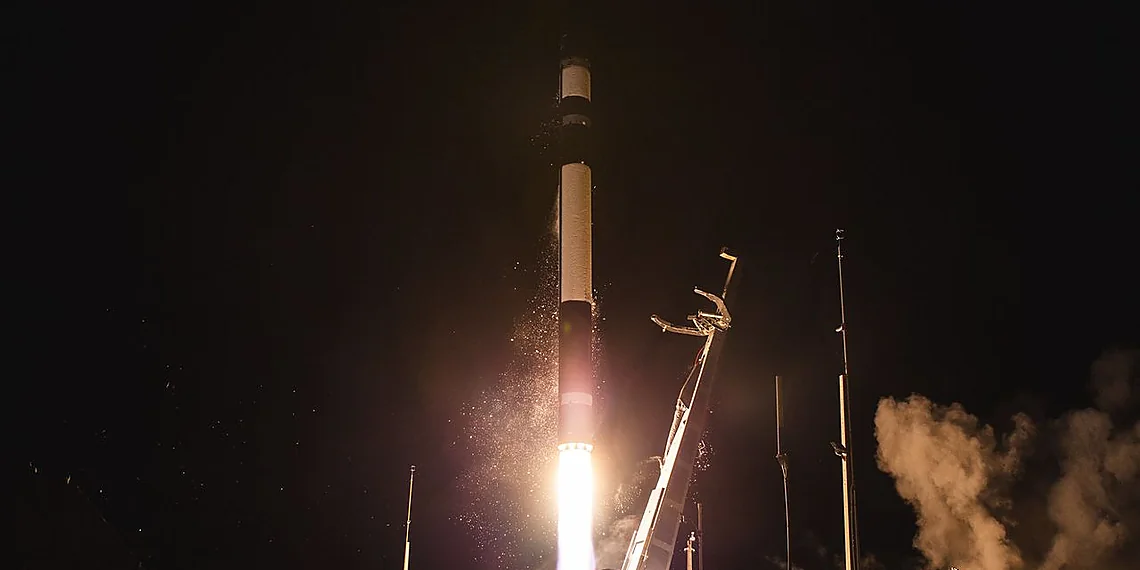
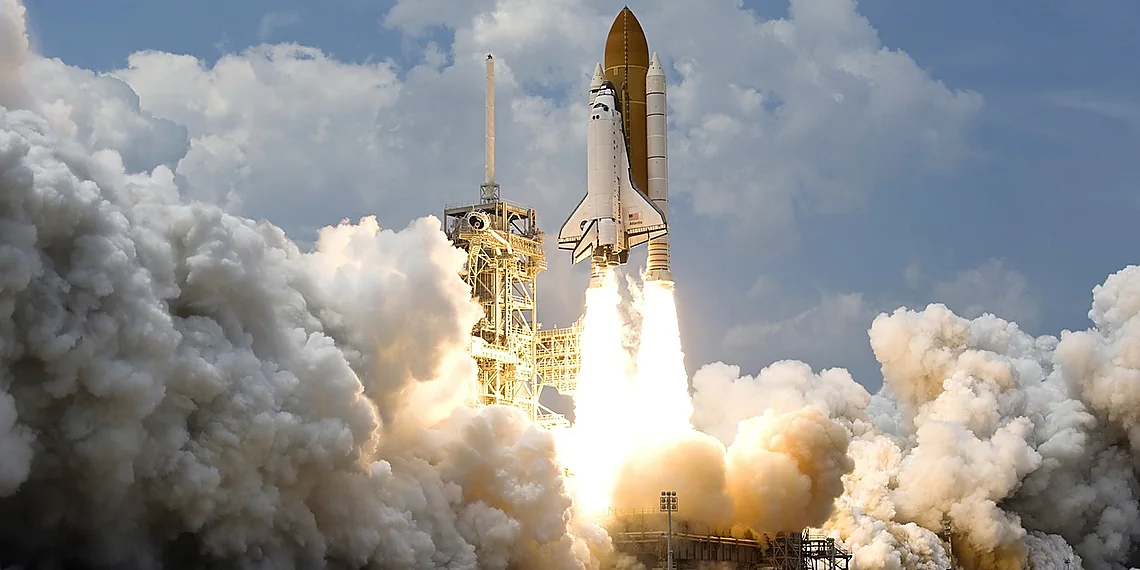
- Parker Solar Probe (Extended Mission): While already operational, Parker Solar probe continues its journey closer to the Sun than any spacecraft before. The extended mission will provide even more data on the solar corona and wind origins.
- TEMPEST (Tuning the Electromagnetic Properties for Space Weather Exploitation): TEMPEST focuses on understanding how radio waves propagate through the ionosphere, a critical component of space weather forecasting. It aims to improve our ability to predict disruptions to communications systems. In addition, its specialized antennas are a key innovation.
- TRACER (Tandem Runaway Electrons and Magnetic field Exploration): TRACER will investigate the acceleration of electrons during solar flares – a poorly understood phenomenon that can lead to radio blackouts and damage satellites. Therefore, this mission is essential for improving safety measures.
Mission Details & Launch Timeline
The launch, scheduled for September 23rd, represents a significant investment in space weather research. Each spacecraft is designed with specific instruments and objectives, allowing for a comprehensive understanding of solar activity. For instance, each mission utilizes different wavelengths to observe various aspects of the Sun’s behavior.
The Technological Advancements
These missions incorporate cutting-edge technologies to withstand the harsh conditions near the Sun. Advanced heat shields protect spacecraft from intense solar radiation, while sophisticated instruments collect data on magnetic fields, plasma composition, and radio waves. TEMPEST’s use of specialized antennas is particularly noteworthy for its ionospheric mapping capabilities. As a result of these advancements, we can expect more accurate and detailed observations.
// Example code snippet (illustrative - not actual mission code) function calculateSolarWindSpeed(magneticFieldStrength, particleDensity) { // Complex calculation based on scientific models return calculatedSpeed;}Looking Ahead: The Future of Space Weather Prediction
The data collected by these three missions will be invaluable for improving space weather forecasting models. By combining observations from different perspectives and instruments, scientists can develop a more complete picture of the Sun’s influence on Earth and near-Earth space. Furthermore, this improved understanding will lead to better predictions, allowing us to protect our technology and infrastructure from disruptive solar events. Similarly, future missions will build upon these findings.
The launch marks a new era in space weather research, promising significant advancements in our ability to understand and mitigate the risks posed by solar activity. Stay tuned for updates as these missions begin their vital work!
Source: Read the original article here.
Discover more tech insights on ByteTrending.
Discover more from ByteTrending
Subscribe to get the latest posts sent to your email.