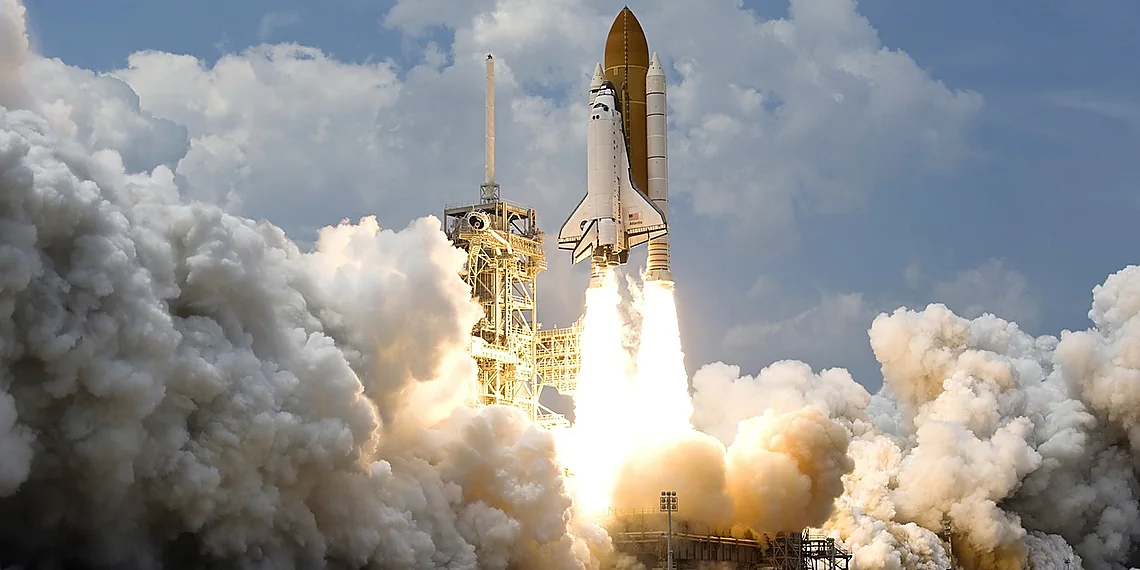
The future of space exploration increasingly hinges on sophisticated automation and robotic systems. Software designed to give spacecraft more autonomy—specifically through distributed spacecraft autonomy—could support a future where swarms of satellites navigate and complete scientific objectives with limited human intervention. This shift promises enhanced mission efficiency, resilience, and the ability to tackle increasingly complex tasks far from Earth.
Understanding Distributed Spacecraft Autonomy
Traditional space missions rely heavily on ground control for every command, creating delays and limiting responsiveness, particularly in deep-space environments. Distributed spacecraft autonomy addresses this challenge by enabling satellites to make independent decisions and coordinate actions with minimal human intervention. This distributed approach effectively creates a “shared brain” across the swarm.
How DSA Works
The software developed through NASA’s Distributed Spacecraft Autonomy (DSA) project provides the spacecraft swarm with a task list and facilitates information sharing. Each satellite shares its unique perspective – what it can observe, its capabilities, and current priorities—which is then integrated into an optimized plan of action for the entire swarm. These plans are supported by sophisticated decision trees and mathematical models that guide responses to completed commands, unexpected changes, or emerging problems.
The Starling Mission Demonstration
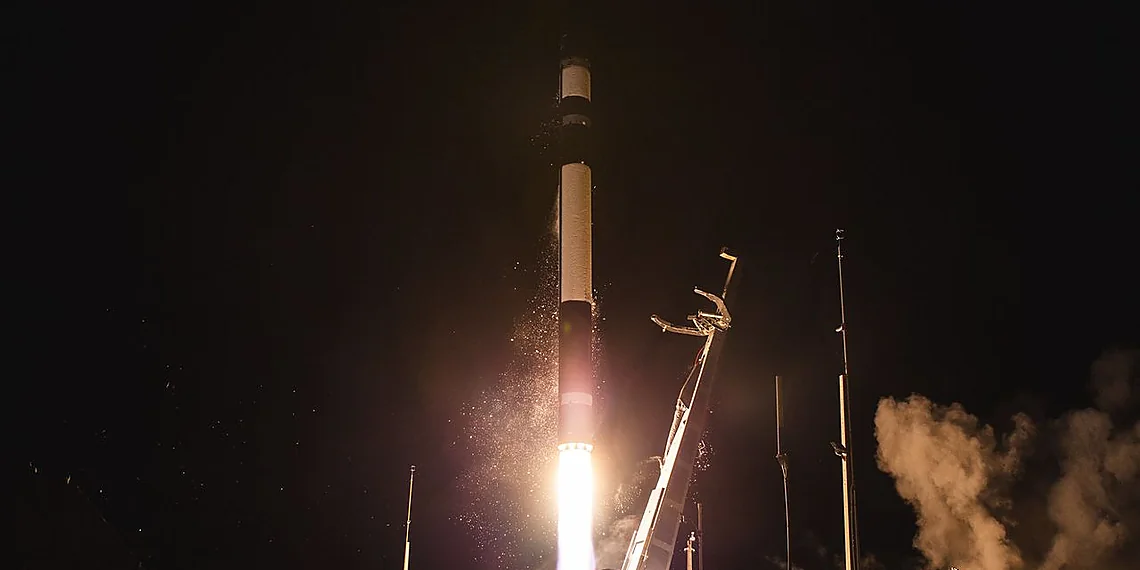
NASA’s DSA capabilities were first demonstrated through the Starling mission, a group of four small satellites launched in July 2023. This ongoing mission provides a valuable platform for testing and validating autonomous swarm operations. Notably, Starling initially used DSA to optimize scientific observations by allowing satellites to choose what to observe without pre-programmed instructions – leading to crucial data collection that might have been missed with traditional methods.
The Advantages of Decentralized Spacecraft Operations
Beyond optimizing scientific data collection, distributed spacecraft autonomy delivers several key benefits for future missions. Perhaps most importantly, it reduces dependence on constant communication with Earth, a significant bottleneck in deep space exploration due to signal delays that can range from minutes to hours. This allows spacecraft to respond rapidly to unexpected events such as asteroid impacts or equipment failures.
Resilience and Redundancy
Furthermore, decentralized decision-making enhances mission resilience. Should one satellite fail, the swarm can automatically reconfigure and continue operating, ensuring overall mission success despite unforeseen circumstances—a critical factor for missions supporting astronaut safety, such as providing navigation or communications services on the lunar surface. This redundancy is invaluable in high-stakes environments.
Enabling Future Exploration
Finally, distributed spacecraft autonomy paves the way for more ambitious space exploration endeavors. Imagine a future where swarms of satellites autonomously construct habitats on Mars or prospect for resources within asteroid belts—tasks currently impractical with conventional spacecraft control. These capabilities will be essential as we expand our presence beyond Earth.
Challenges and Future Directions for Distributed Autonomy
While the potential benefits of distributed spacecraft autonomy are significant, several challenges remain. Ensuring the cybersecurity of autonomous spacecraft swarms is paramount to prevent malicious interference or control hijacking.
Scaling Up and Security Concerns
Developing robust algorithms capable of handling a wide array of scenarios and unexpected events necessitates continued research and rigorous testing. Moreover, scaling up DSA to manage larger swarms—potentially hundreds or thousands of satellites—requires advanced communication protocols and sophisticated task allocation strategies to maintain efficiency.
Ongoing Investment and Development
NASA’s ongoing investment in the DSA project reflects its commitment to shaping the future of space exploration. Continued advancements will focus on enhancing security, improving algorithm robustness, and developing scalable architectures to unlock the full potential of distributed spacecraft autonomy.
The Distributed Spacecraft Autonomy project signifies a transformative shift in space technology. By empowering satellites with greater independence and coordination capabilities, we are poised for more efficient, resilient, and ambitious missions—opening new frontiers in our exploration of the cosmos.
Source: Read the original article here.
Discover more tech insights on ByteTrending.
Discover more from ByteTrending
Subscribe to get the latest posts sent to your email.